Angelica pubescens
Maxim.
Du Huo
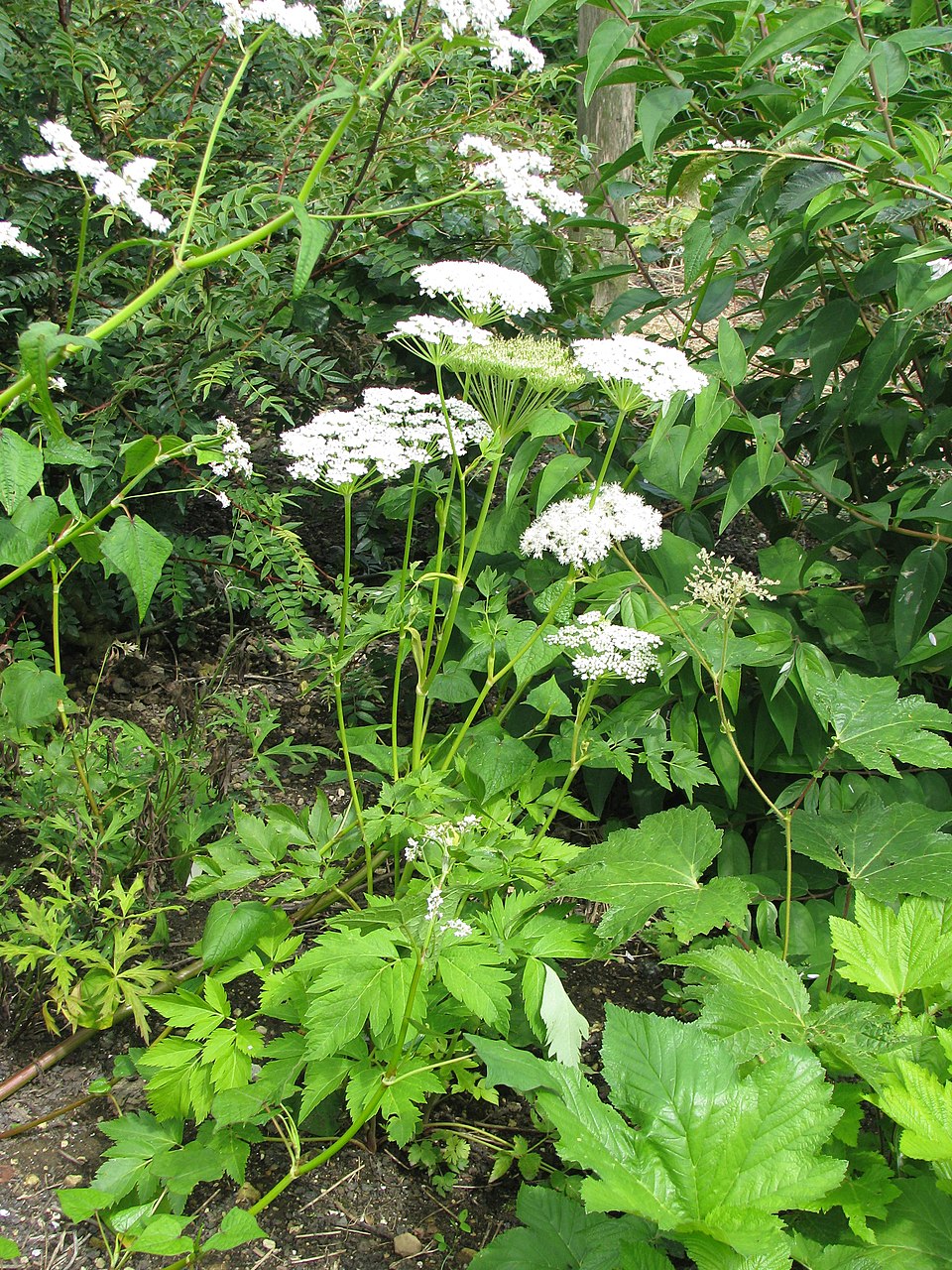
iNaturalist· cc-by-nc
(c) leehsueh, some rights reserved (CC BY-NC)
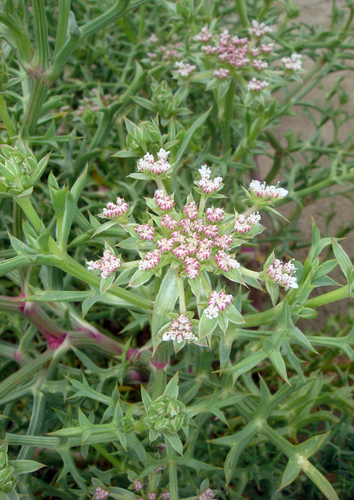
iNaturalist· cc-by-nc
(c) 淑端, some rights reserved (CC BY-NC), uploaded by 淑端
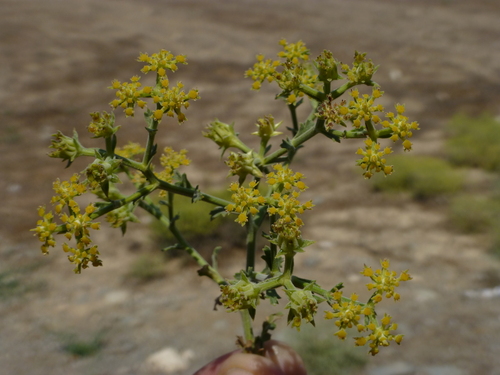
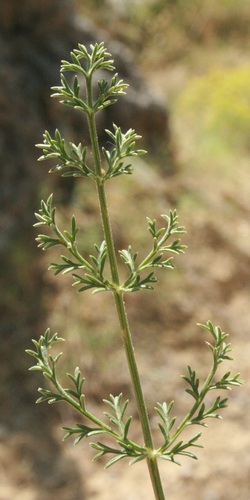
iNaturalist· cc-by-nc
(c) Gordon Chen, some rights reserved (CC BY-NC), uploaded by Gordon Chen
Summary
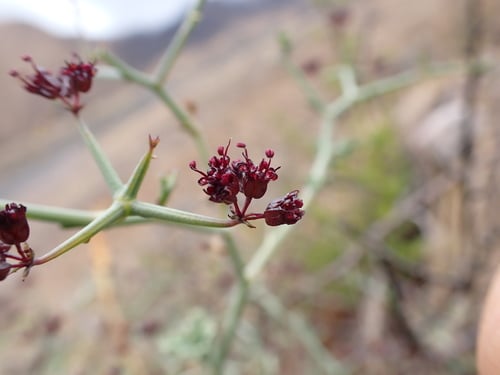
Source: WikipediaAngelica pubescens is a plant in the family Apiaceae, native to Japan and Taiwan. The Japanese common name is shishiudo. In Mainland China, the plant under the name Angelica pubescens is actually Angelica biserrata. It is a herbaceous perennial plant growing to 1–2 m tall with tripinnate leaves up to 1 m long, the leaflets being 5–10 cm long. The flowers are white, produced in large umbels. The young stems and leaves are edible. Shishiudo is often mistaken with udo.
Description
A hardy perennial reaching 1.8 m, Angelica pubescens flowers in July to August. The hermaphroditic self-fertile flowers are insect-pollinated. It adapts to light sandy, medium loamy, and heavy clay soils with mildly acid to basic pH ranges, grows in semi-shade to full sun, and prefers moist soil. Hardy to UK zone 7.
Edible Uses
Edible Parts: Leaves Edible Uses: Leaves - cooked.
Medicinal Uses
Anodyne Antiinflammatory Antirheumatic Carminative Emmenagogue Nervine Vasodilator The roots and rhizomes are anodyne, anti-inflammatory, antirheumatic, carminative, nervine and vasodilator. A decoction is used to promote menstruation, to treat rheumatoid arthritis, rheumatism, headache, toothache and abscesses. This herb is used medicinally in the same ways as A. dahurica (Bai Zhi). These uses are as follows:- Bai Zhi has been used for thousands of years in Chinese herbal medicine where it is used as a sweat-inducing herb to counter harmful external influences. Bai Zhi is contraindicated for pregnant women. The root is analgesic, anodyne, antibacterial, antidote, carminative, diaphoretic, diuretic, poultice and stimulant. It is used in the treatment of frontal headache, rhinitis, boils, carbuncles and skin diseases. It appears to be of value in treating the facial pain of trigeminal neuralgia. Small quantities of angelicotoxin, one of the active ingredients in the root, have an excitatory effect on the respiratory centre, central nervous system and vasculomotor centre. It increases the rate of respiration, increases blood pressure, decreases the pulse, increases the secretion of saliva and induces vomiting. In large doses it can cause convulsions and generalized paralysis.
Known Hazards
All members of this genus contain furocoumarins, which increase skin sensitivity to sunlight and may cause dermatitis.
Distribution
It is a temperate plant.
Where It Grows
Asia, China, Japan,
Cultivation
Requires a deep moist fertile soil in dappled shade or full sun. Plants are reliably perennial if they are prevented from setting seed. A polymorphic species.
Propagation
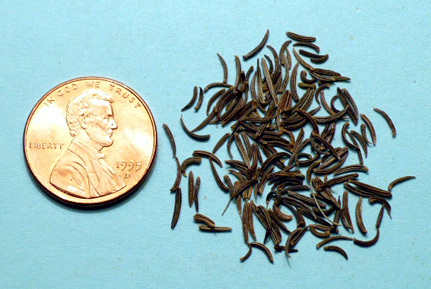
Seed - best sown in a cold frame as soon as it is ripe since the seed only has a short viability. Seed can also be sown in the spring, though germination rates will be lower. It requires light for germination. When large enough to handle, prick the seedlings out into individual pots and grow them on in a cold frame for their first winter, planting them out into their permanent positions in the spring. The seed can also be sow in situ as soon as it is ripe.
Other Uses
None known Special Uses
Notes
There are 50 Angelica species. They are temperate plants.
Synonyms
References (3)
- Bull. Acad. Imp. Sci. Saint-Petersbourg 24:34; Melanges Biol. Bull. Phys.-Math. Acad. Imp. Sci. Saint-Petersbourg 10:54. 1877 (Diagn. pl. nov. asiat.)
- Chen, B. & Qiu, Z., Consumer's Attitudes towards Edible Wild Plants, Ishikawa Prefecture, Japan. p 22 www.hindawi.com/journals/ijfr/aip/872413.pdf
- Plants for a Future database, The Field, Penpol, Lostwithiel, Cornwall, PL22 0NG, UK. http://www.scs.leeds.ac.uk/pfaf/