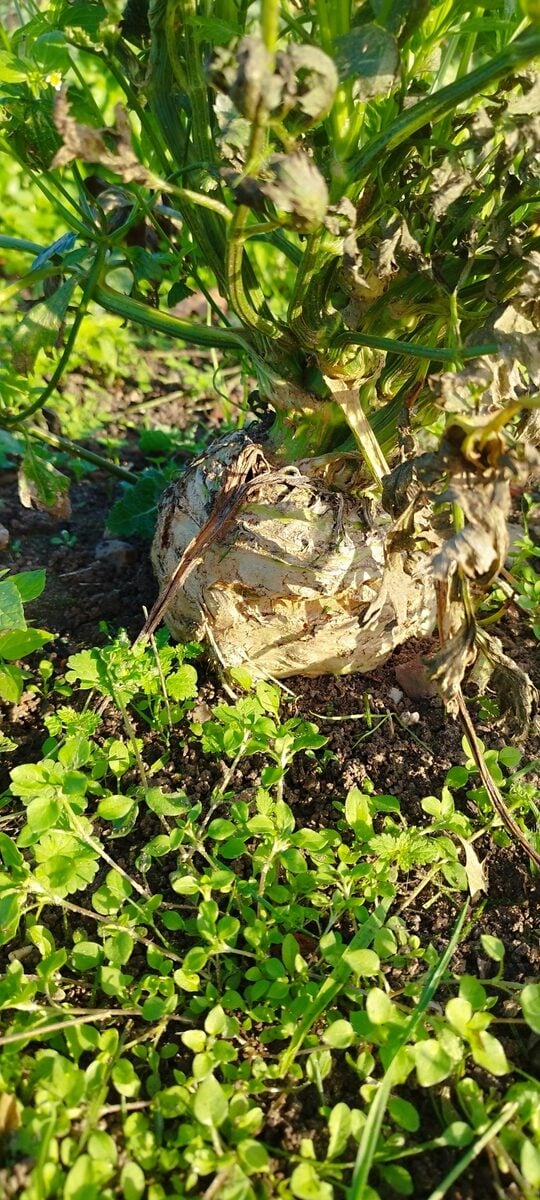
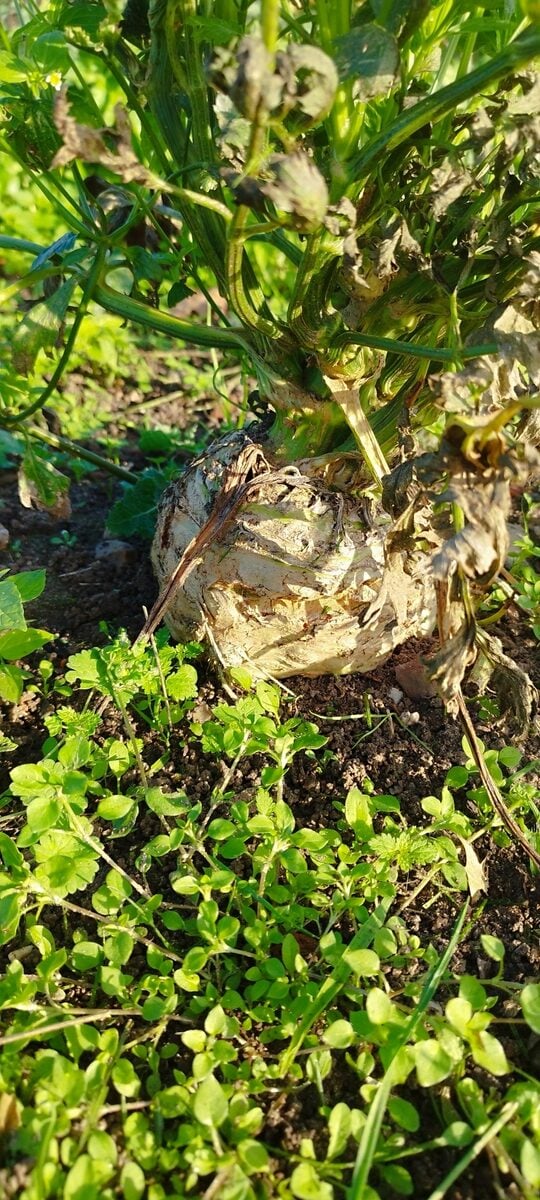
Angelica gigas
Nakai
Korean Angelica
iNaturalist· cc-by-nc
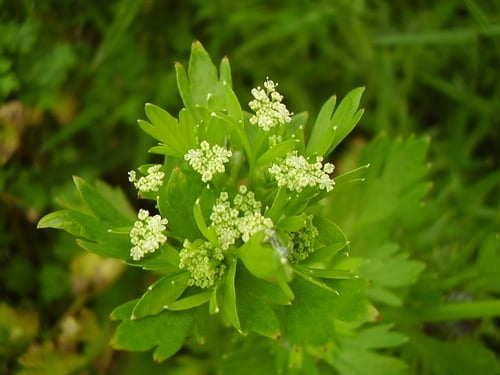
(c) Alexander Ganse, some rights reserved (CC BY-NC), uploaded by Alexander Ganse
iNaturalist· cc-by-nc
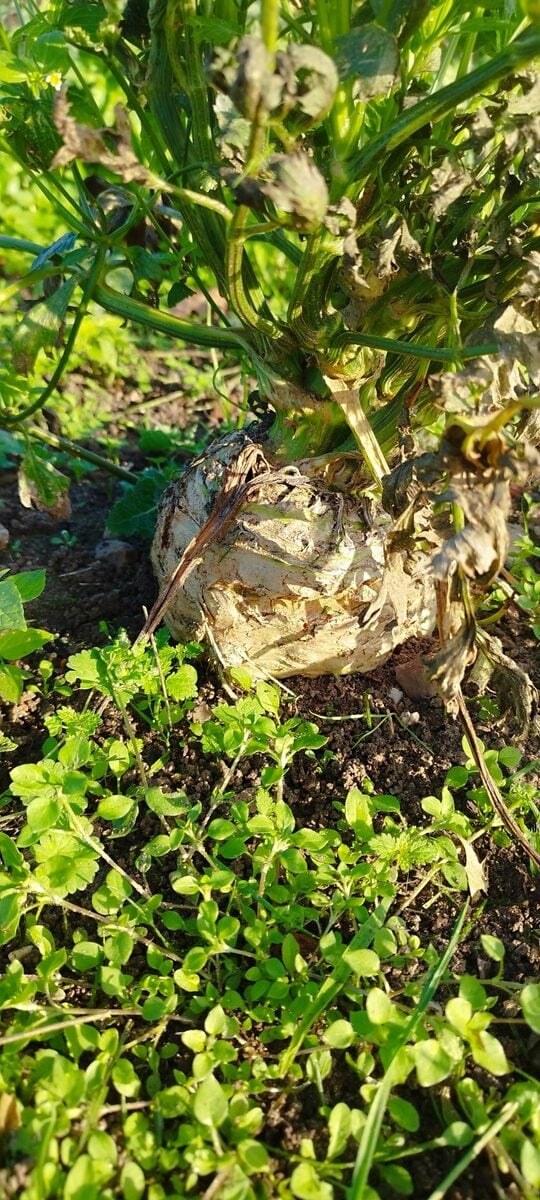
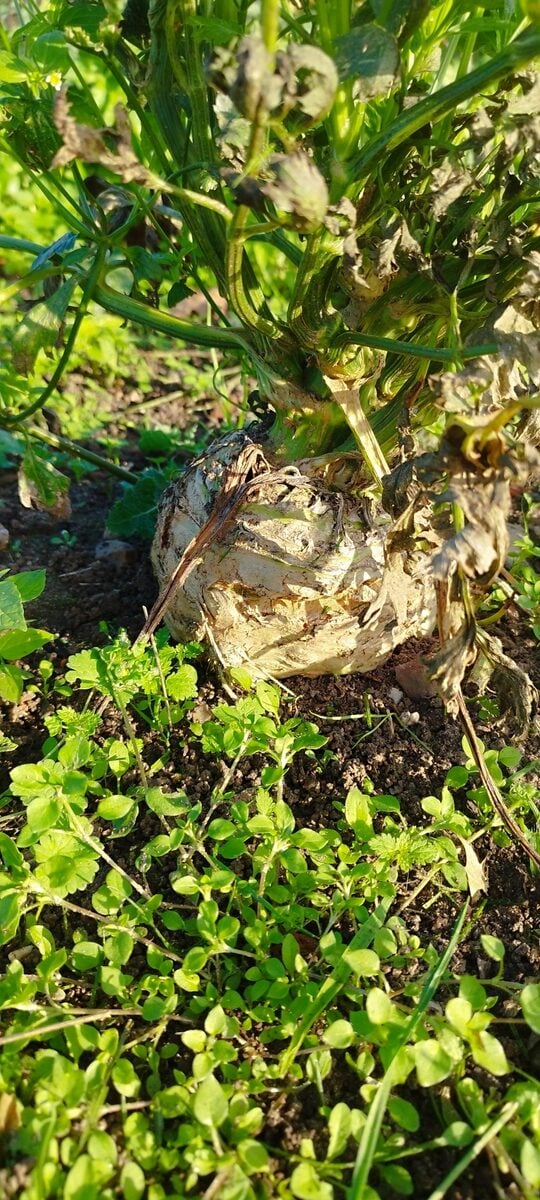
(c) Alexander Ganse, some rights reserved (CC BY-NC)
iNaturalist· cc-by-nc
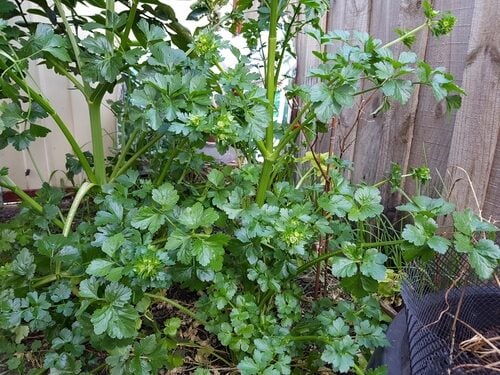
(c) kevin_cheng, some rights reserved (CC BY-NC)
Summary
Source: WikipediaAngelica gigas, also called Korean angelica, giant angelica, purple parsnip, and dangquai, is a monocarpic biennial or short lived perennial plant from Korea and China. It inhabits forests, grasslands and banks of streams. The roots are used in traditional Chinese medicine.
Description
A strong stemmed herb. It takes 2 years to complete its life-cycle. It grows 2 m tall and spreads 1-2 m wide. It forms clumps. The leaves are very large and have a red tint. They are divided 3 times and have teeth along the edge. They are 30-40 cm long. The stems are purple-red. The flower heads are red. These are on stems 1.5 m tall.
Edible Uses
Young leaves are best used cooked.
Traditional Uses
The young leaves are pickled, boiled or fried and eaten.
This uses section is brief — help expand it
Medicinal Uses
The root is used in Korea to treat anaemia, hemiplegia, and women's diseases. It contains a number of active compounds and has been shown to increase duodenum motility and have an anti-platelet aggregation action.
Known Hazards
All members of this genus contain furocoumarins, which increase skin sensitivity to sunlight and may cause dermatitis.
Distribution
A temperate plant. It suits hardiness zones 5-9. Hobart Botanical Gardens.
Where It Grows
Asia, Australia, Canada, China, Japan, Korea*, North America, Tasmania,
Cultivation
Requires a deep moist fertile soil in dappled shade or full sun. Hardy to about -20°c. Plants flower in 2 years from seed and are reliably perennial if prevented from setting seed.
Propagation
Seed is best sown in a cold frame as soon as it is ripe, as viability is short. Spring sowing is possible but germination rates will be lower. Light is required for germination. Once seedlings are large enough to handle, prick them out into individual pots and grow on in a cold frame through their first winter, then plant out into permanent positions in spring. Seed can also be sown in situ as soon as it is ripe.
Other Uses
None known.
Notes
There are 50 Angelica species. They are temperate plants. It has anticancer properties. It is used in a herbal preparation.
Also Known As
Oni-no-dake
References (10)
- Bot. Mag. (Tokyo) 31:100. 1917
- Cundall, P., (ed.), 2004, Gardening Australia: flora: the gardener's bible. ABC Books. p 155
- Facciola, S., 1998, Cornucopia 2: a Source Book of Edible Plants. Kampong Publications, p 15
- Heo, B., et al., 2009, Antiproliferative Activity of Korean Wild Vegetables on Different Human Tumor Cell Lines. Plant Foods for Human Nutrition. 64:257-263
- Hwang, HS, et al, 2014, Distribution characteristics of plant in the Ungseokbong Mountain, Gyeongsangnam-do, Korea. Journal of Asia-Pacific Biodiversity. 7(2014) e164-e178
Show all 10 references Hide references
- Kintzios, S. E., 2006, Terrestrial Plant-Derived Anticancer Agents and Plant Species Used in Anticancer research Critical Reviews in Plant Sciences. 25: pp 79-113
- Lee, S., et al, 2016, Herbal preparation (HemoHIM) enhanced functional maturation of bone marrow-derived dendritic cells mediated toll-like receptor 4. Complementary and Alternative Medicine. 16:67
- Plants for a Future database, The Field, Penpol, Lostwithiel, Cornwall, PL22 0NG, UK. http://www.scs.leeds.ac.uk/pfaf/
- Ryan, S., 2008, Dicksonia. Rare Plants Manual. Hyland House. p 95
- Tanaka,