Angelica genuflexa
Nutt.
Kneeling angelica
iNaturalist· cc-by-nc
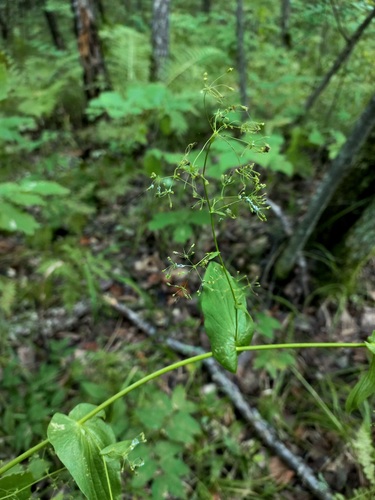
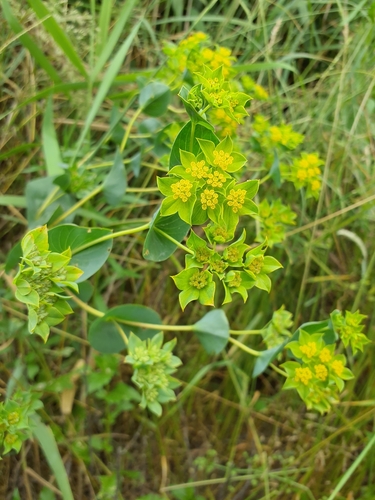
(c) Ольга Курякова, some rights reserved (CC BY-NC), uploaded by Ольга Курякова
iNaturalist· cc-by-nc
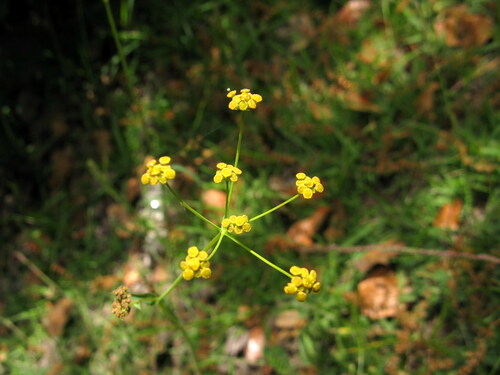
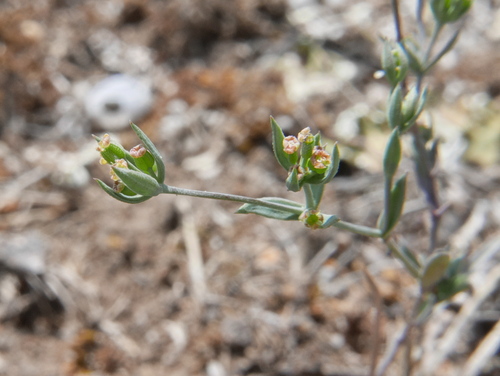
(c) T. Abe Lloyd, some rights reserved (CC BY-NC), uploaded by T. Abe Lloyd
iNaturalist· cc-by-nc
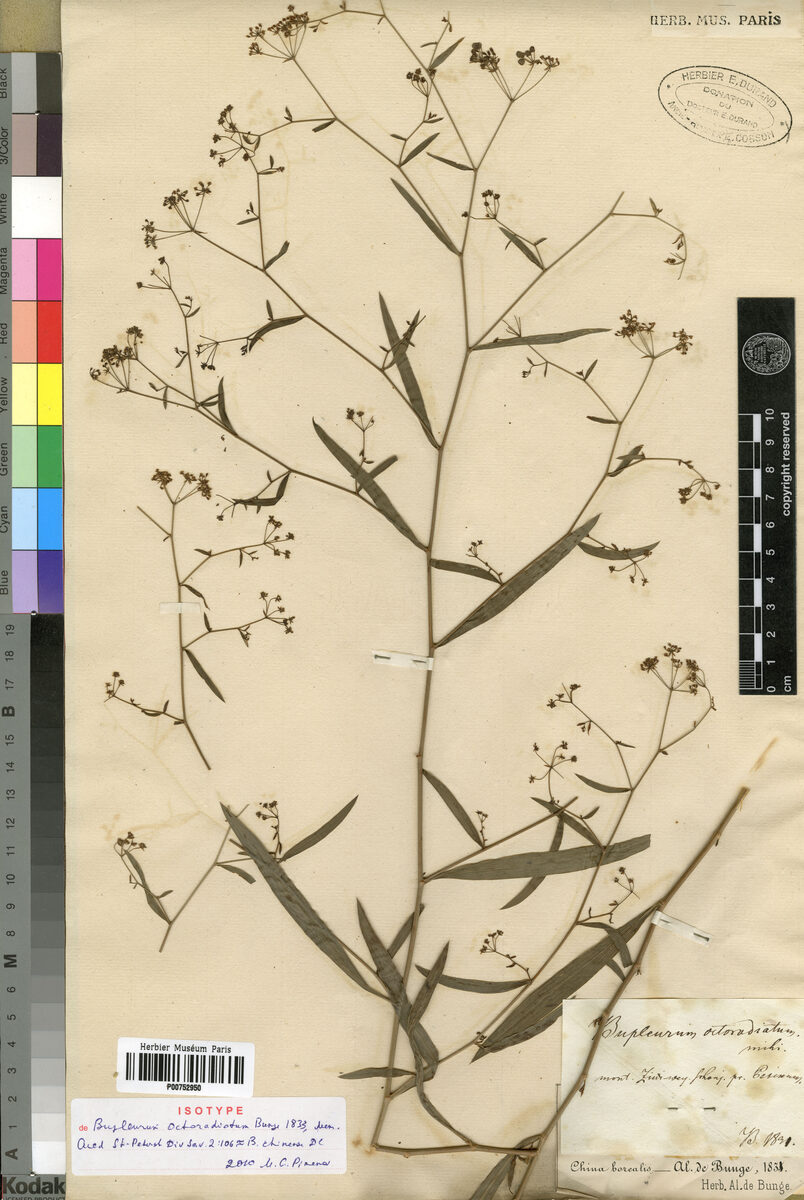
(c) Ольга Курякова, some rights reserved (CC BY-NC), uploaded by Ольга Курякова
Summary
Source: WikipediaAngelica genuflexa is a species of angelica known as kneeling angelica. It is native to northwestern North America from Alaska to northern California, where it grows in moist areas in coniferous forests such as streambanks. This is a taprooted perennial herb producing an erect, hollow stem to heights between 1 and 2 meters. The leaves are up to 80 centimeters long and are made up of many dissected, toothed leaflets, each up to 10 centimeters long. The inflorescence is a compound umbel of up to 50 rays bearing clusters of small flowers.
Description
A robust herb. It keeps growing from year to year and is 2.5 m tall. The leaf stalk is 3-8 cm long. The leaves are oval or triangle shaped and 10-40 cm long. They are divided one or two times into leaflets. The leaflets are 5-13 cm long by 1-6 cm wide. The main leaf axis is bent and the leaflets are bent back. The flowers are white and in flat topped heads.
Edible Uses
Young leaves are cooked and used as a flavouring. Young stems can be peeled and eaten raw. The seed is also used as a flavouring.
Medicinal Uses
The raw root, or a decoction made from it, has been used as a purgative. A compound decoction of the root has been used to treat headaches and weak eyes.
Known Hazards
All members of this genus contain furocoumarins, which increase skin sensitivity to sunlight and may cause dermatitis.
Distribution
It is a temperate plant. It grows in moist stream banks and open forests. In north China it grows between 200-300 m above sea level.
Where It Grows
Asia, Canada, China, Japan, Korea, North America, Russia, Siberia, USA,
Cultivation
We have very little information on this species and do not know how hardy it will be in Britain, though judging by its native range it should succeed outdoors in most parts of this country. The following notes are based on the general needs of the genus. Requires a deep moist fertile soil in dappled shade or full sun. Plants are reliably perennial if they are prevented from setting seed.
Propagation
Seed is best sown in a cold frame as soon as it is ripe, as viability is short. Spring sowing is possible but germination rates will be lower. Light is required for germination. Once seedlings are large enough to handle, prick them out into individual pots and grow on in a cold frame through their first winter, then plant out into permanent positions in spring. Seed can also be sown in situ as soon as it is ripe.
Other Uses
The hollow stems have been used to make drinking straws, whistles, and as breathing stems to allow people to remain underwater. They have also been used as containers to collect pitch from Picea sitchensis. The leaves were used as a deodorant by native North Americans — chewed and the juice rubbed onto the body to mask human scent.
Notes
There are 50 Angelica species. They are temperate plants.
Synonyms
References (2)
- MacKinnon, A., et al, 2009, Edible & Medicinal Plants of Canada. Lone Pine. p 294
- Plants for a Future database, The Field, Penpol, Lostwithiel, Cornwall, PL22 0NG, UK. http://www.scs.leeds.ac.uk/pfaf/