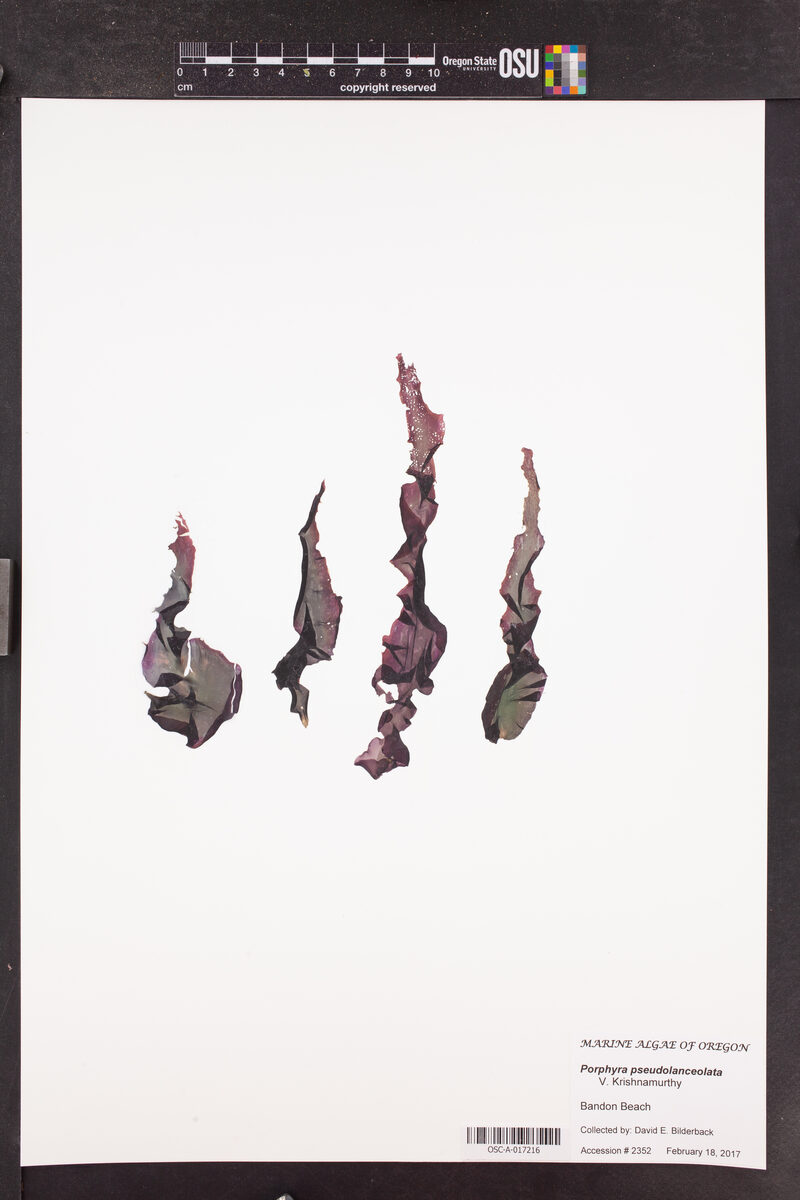
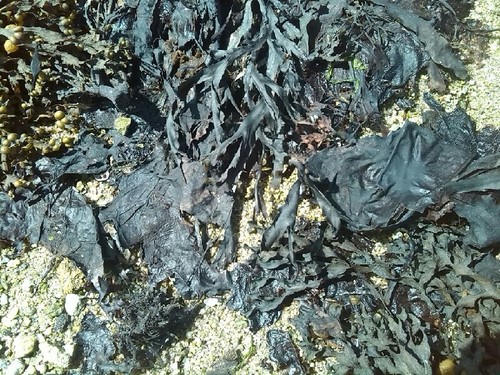
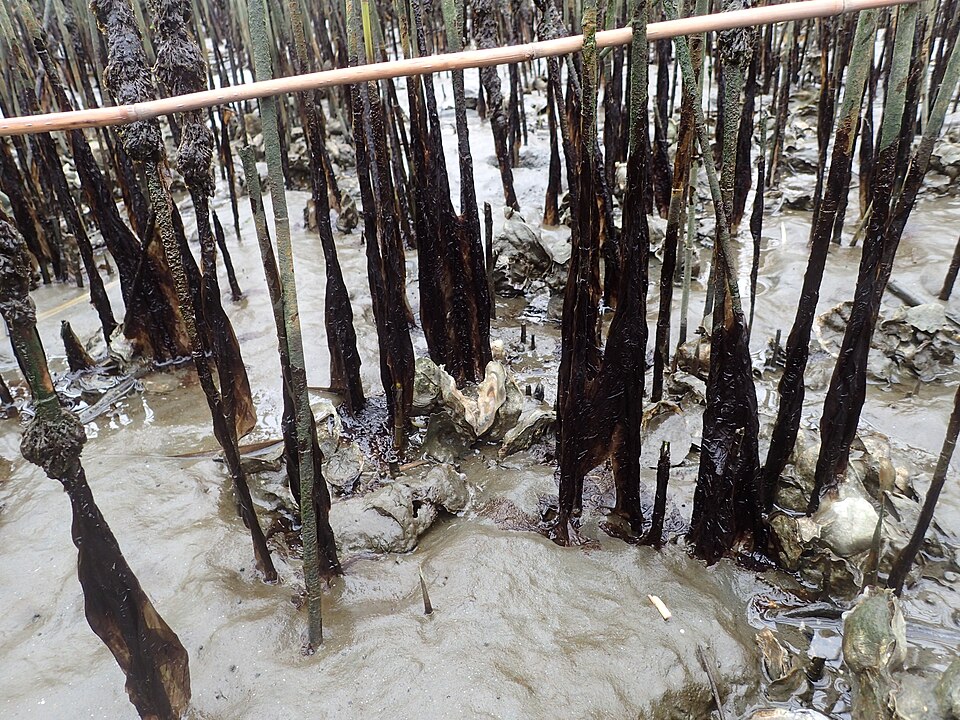
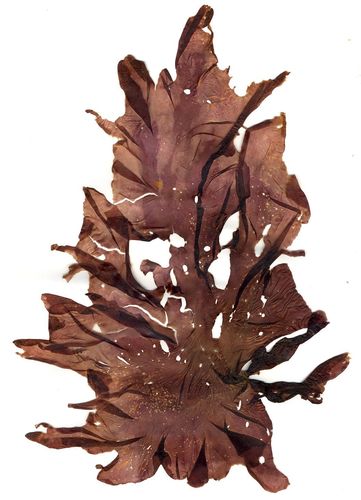
Porphyra suborbiculata
Kjellm.
Tzu-ts'ai
Bangiaceae Edible: Algae, Frond, Seaweed
wikimedia· cc-by
Sous Chef (via Wikimedia Commons)
wikimedia· cc-by-sa
Scudsvlad (via Wikimedia Commons)
wikimedia· cc0
김아름 (via Wikimedia Commons)
Description
A temperate seaweed in the Bangiaceae family with edible fronds commonly used in Asian cuisine.
This description is brief — help expand it
Edible Uses
When eaten as a banchan (side dish), dried sheets of gim are toasted with sesame oil or perilla oil, sprinkled with fine salt and cut into squares. It may also be deep-fried to make coated fritters called bugak. For use in gimbap, the sheets are not salted, but are instead only toasted.
Traditional Uses
It is cooked as a vegetable.
This uses section is brief — help expand it
Distribution
It is a temperate plant.
Where It Grows
Asia, China, Indochina, Korea, SE Asia, Vietnam,
References (6)
- http://www.seavegetables.com
- Kiple, K.F. & Ornelas, K.C., (eds), 2000, The Cambridge World History of Food. CUP p 238
- Lee, B., 2008, Seaweed Potential as a marine vegetable. RIRDC Publication No. 08/009
- Simoons, F.J., 1991, Food in China. Boca Raton, Fla
- Xia, B., and Abbott, I.A., 1987, Edible seaweeds of China and their place in the Chinese diet. Economic Botany 41:341-53
Show all 6 references Hide references
- Zemke-White, W. L. & Ohno, M., 1999, World seaweed utilisation: An end-of-century summary. Journal of Applied Phycology 11: 369-376