Polyscias macgillivrayi
(Seem.) Harms
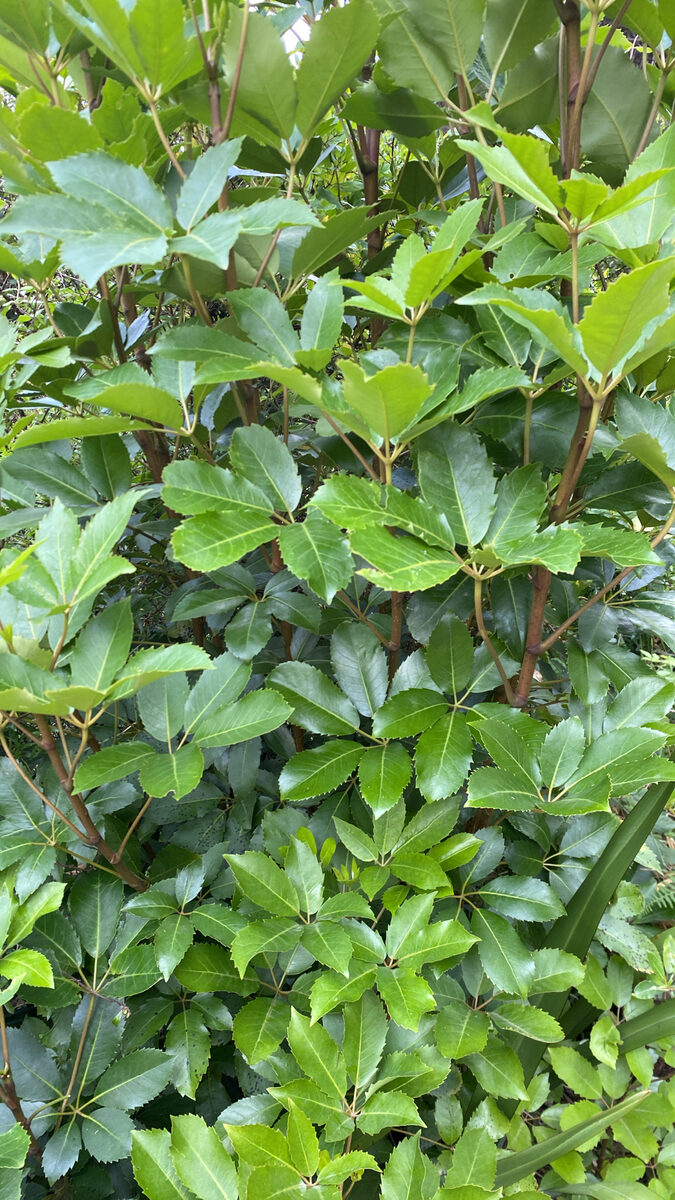
iNaturalist· cc-by-nc
(c) Reardon, some rights reserved (CC BY-NC)
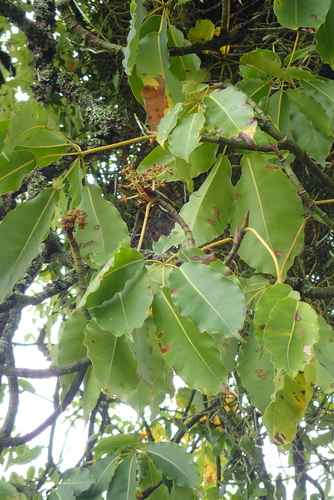
iNaturalist· cc-by-nc
(c) Nina Peck, some rights reserved (CC BY-NC)
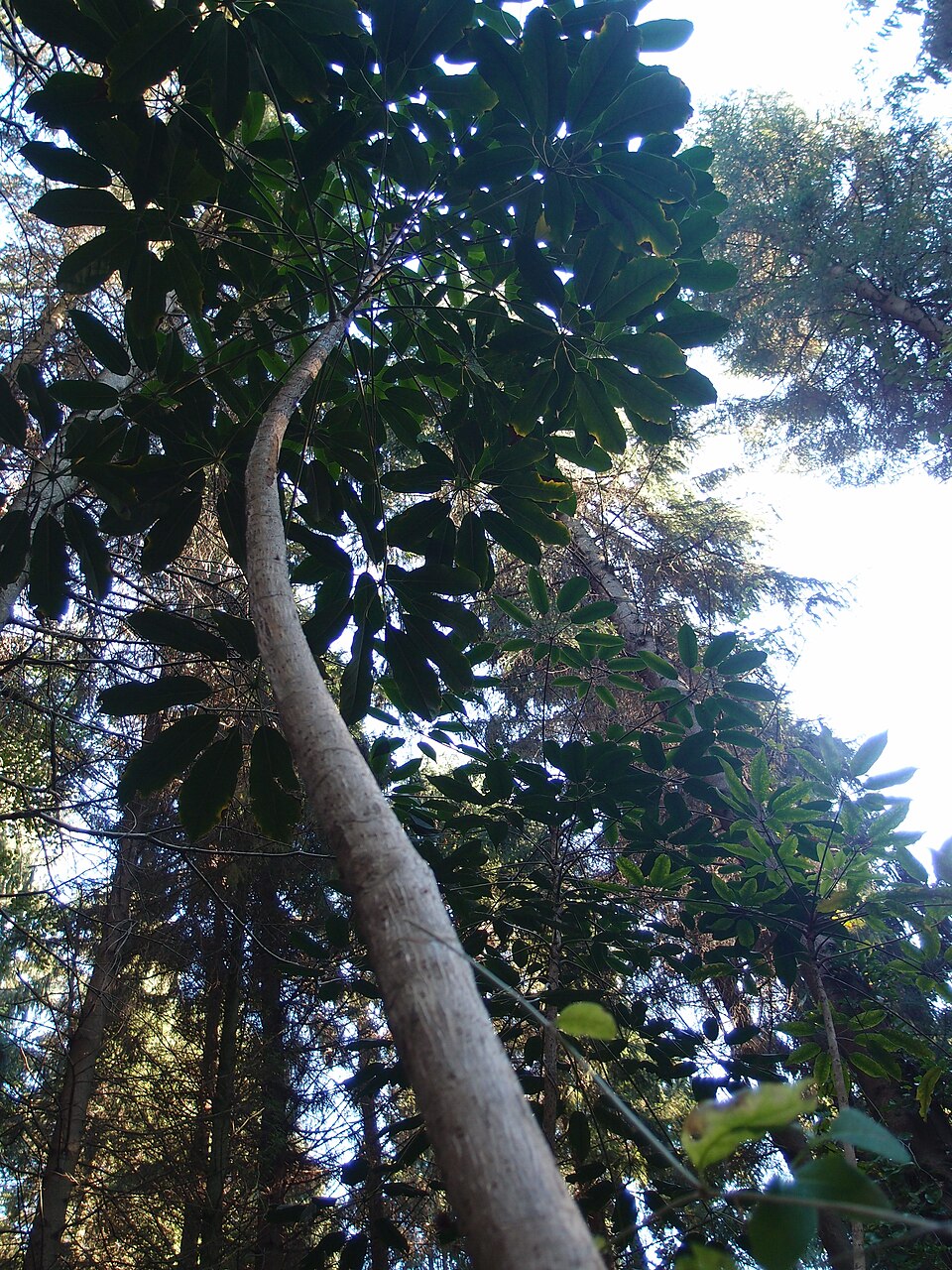
iNaturalist· cc-by-nc
(c) Nina Peck, some rights reserved (CC BY-NC)
Description
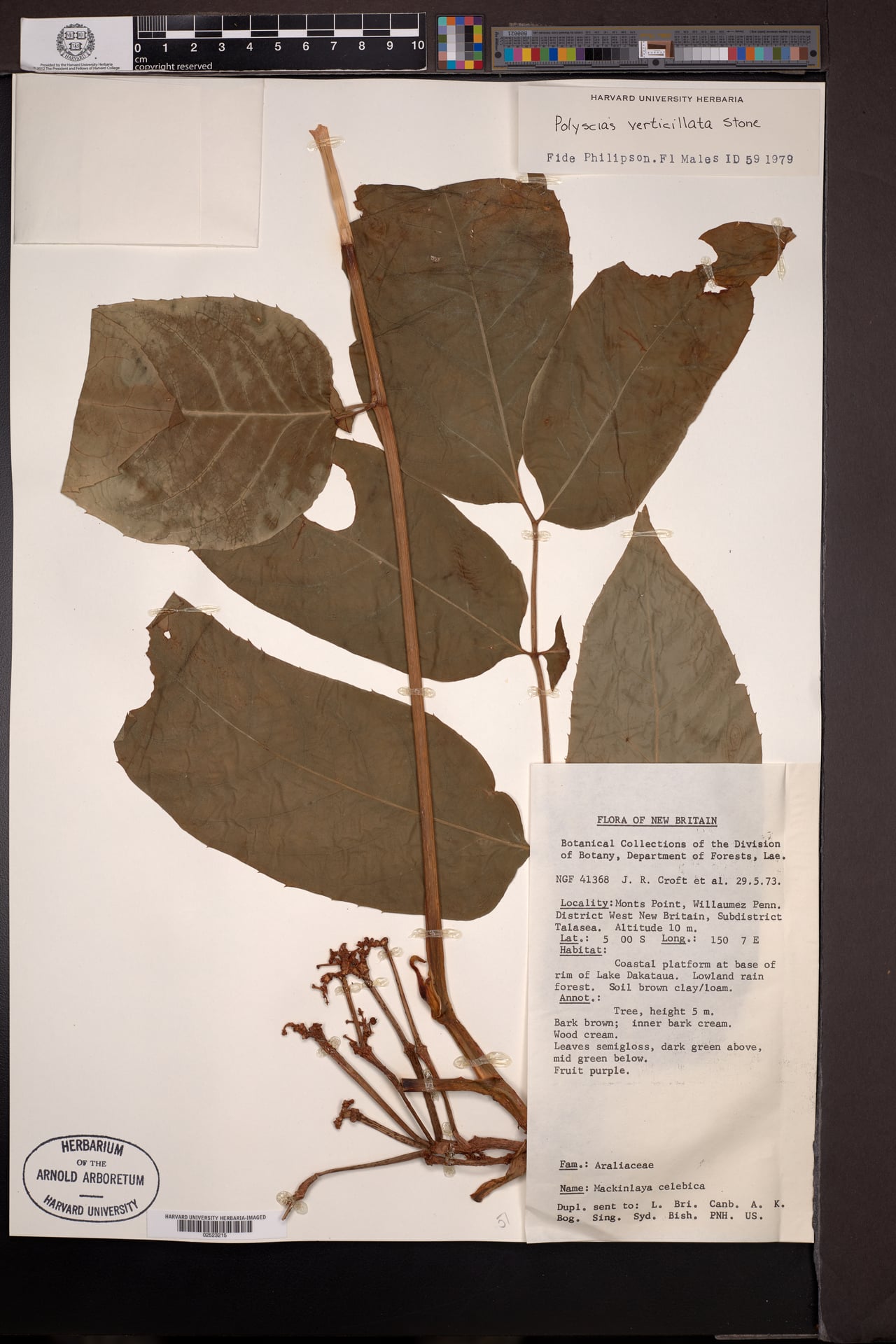
A tall shrub. It grows 4-7 m high and spreads 2-4 m wide. Young growth is smooth. There is usually a single trunk. The bark is grey. There are only a few branches and they are spreading. The leaves are divided along the stalk. The leaves are 1 m long. The leaflets are 20-25 cm long by 8-10 cm wide. They are oblong and often broadest near the base. They are green and often rolled downwards. The flowers are 0.5 cm across. They form loose open groups. The fruit is about 0.8 cm across and flattened.
Edible Uses
The leaves are eaten.
Distribution
A tropical plant. It grows in rainforest. It needs well drained soil. It often grows just behind the mangrove along the coast. It grows from sea level to 200 m above sea level.
Where It Grows
Australia*, Mariana Islands, Micronesia, Pacific, Papua New Guinea, PNG, Solomon Islands,
Cultivation
Plants can be grown from fresh seed.
Propagation
Seed - best sown when fresh.
Notes
There are about 100 Polyscias species.
Synonyms
References (6)
- Borrell, O.W., 1989, An Annotated Checklist of the Flora of Kairiru Island, New Guinea. Marcellin College, Victoria Australia. p 54, 100 +6
- Conn, B.J., (Ed.) 1995, Handbooks of the Flora of Papua New Guinea. Vol 3. Melbourne University Press. p 32
- Cooper, W. and Cooper, W., 2004, Fruits of the Australian Tropical Rainforest. Nokomis Editions, Victoria, Australia. p 65
- Elliot, W.R., & Jones, D.L., 1997, Encyclopedia of Australian Plants suitable for cultivation. Vol 7. Lothian. p 419
- French, B.R., 2010, Food Plants of Solomon Islands. A Compendium. Food Plants International Inc. p 92
Show all 6 references Hide references
- World Checklist of Useful Plant Species 2020. Royal Botanic Gardens, Kew