Aralia leschenaultii
(DC.) J. Wen
iNaturalist· cc-by-nc
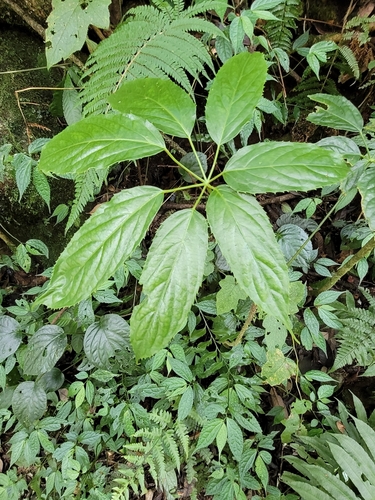
(c) Suresh Ghimire, some rights reserved (CC BY-NC), uploaded by Suresh Ghimire
iNaturalist· cc-by
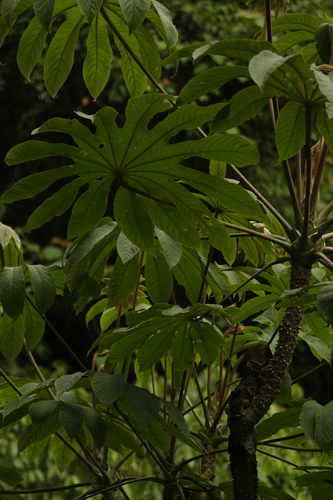
(c) Sagnik Dutta Roy, some rights reserved (CC BY)
Summary
Source: WikipediaAralia leschenaultii is a species of plant in the family Araliaceae. It is found in China, India, Myanmar, and Sri Lanka.
Description
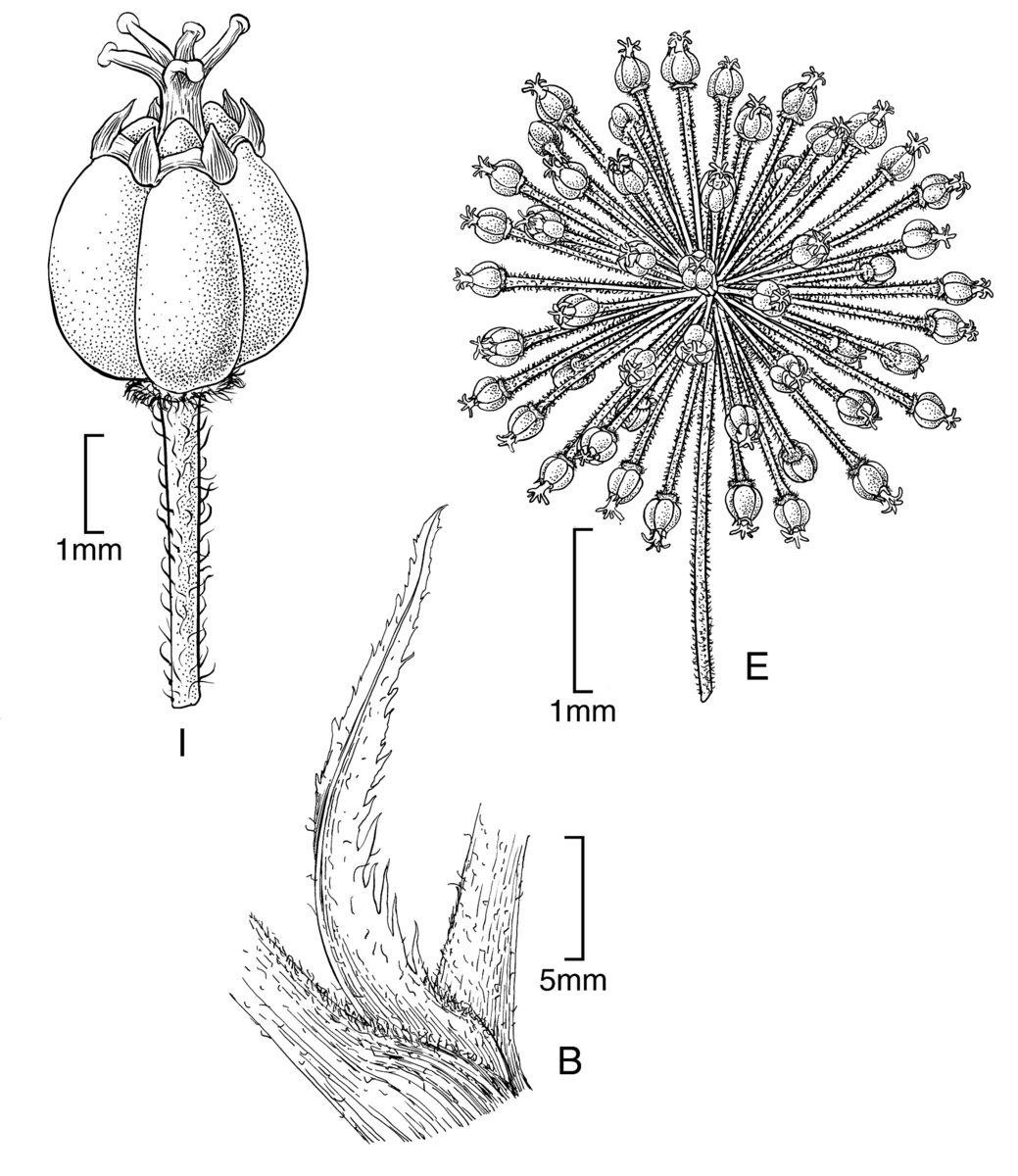
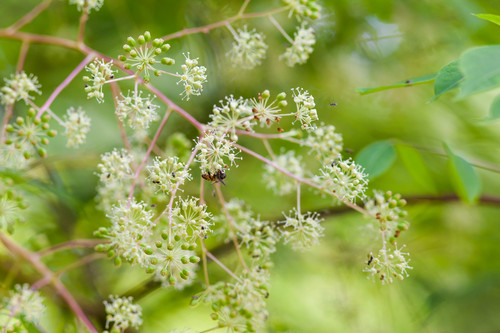
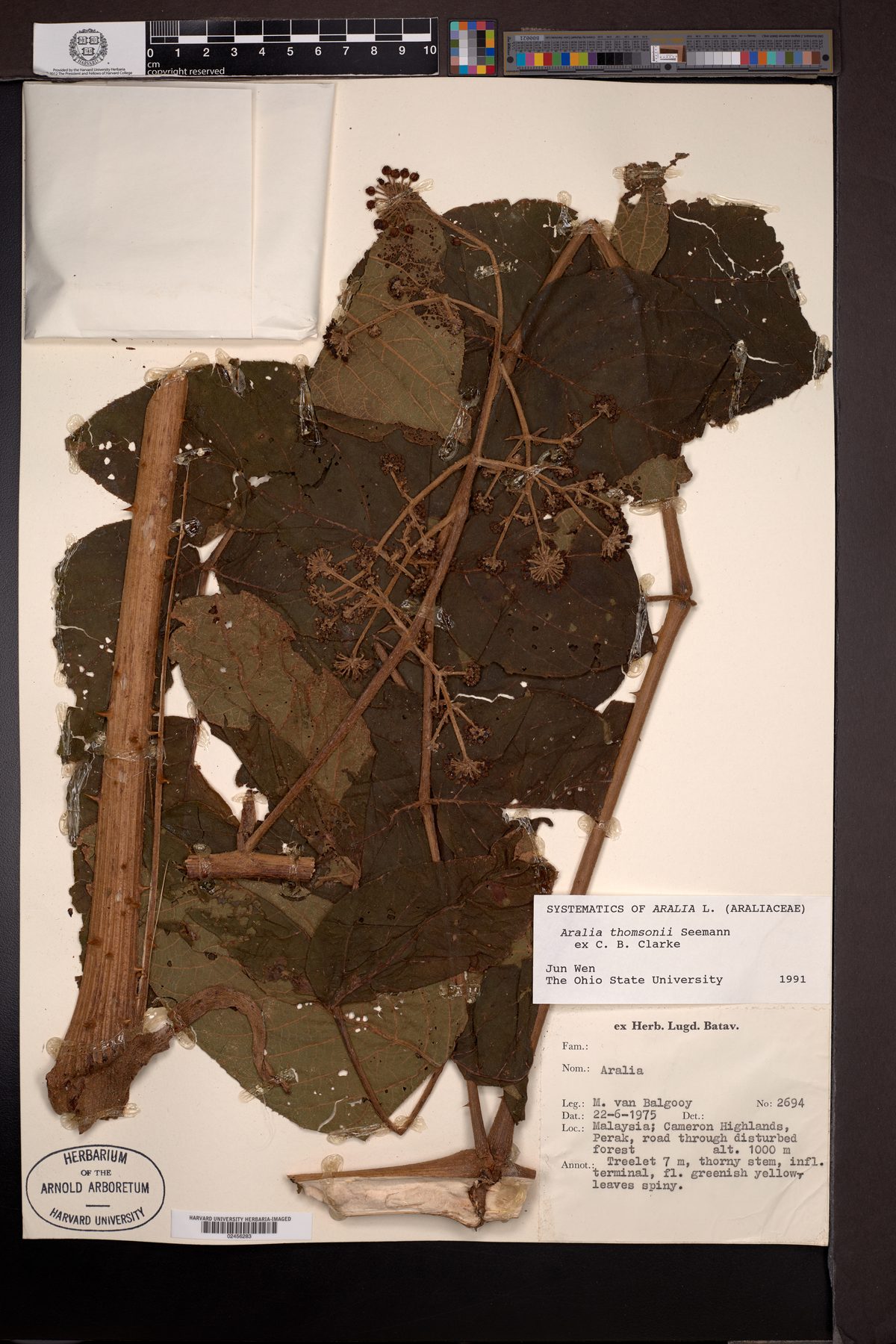
A shrub or tree. The leaves have leaflets along the stalk. There are 3-5 leaflets. They are 15 cm long by 10 cm wide. The flowers are in groups with stalks from a common point. These are 2-3 cm across. The flowers are 3-4 mm across. There are 5 yellow petals. The fruit is fleshy with 4-5 cells that are obscurely angled.
Edible Uses
The shoots are used in pickles and the young leaves are picked and used in curry.
Traditional Uses
The shoots are used in pickles. The young leaves are picked and used in curry.
This uses section is brief — help expand it
Distribution
It grows in tropical and subtropical regions. In Sikkim it grows between 1,700-2,700 m above sea level.
Where It Grows
Asia, Bhutan, China, Himalayas, India, Myanmar, Nepal, Northeastern India, SE Asia, Sikkim, Sri Lanka,
Synonyms
Also Known As
Chinde, Chindey, Chindney
References (11)
- Chettri, N. & Sharma E., NON-TIMBER FOREST PRODUCE: UTILIZATION, DISTRIBUTION AND STATUS IN THE KHANGCHENDZONGA BIOSPHERE RESERVE, SIKKIM, INDIA. p 171 (As Pentapanax leschenaultii)
- Dangol, D. R. et al, 2017, Wild Edible Plants in Nepal. Proceedings of 2nd National Workshop on CUAOGR, 2017.
- Gautam, R. S., et al, 2022, Ethnobotanical Review of Wild Edible Plants of Nepal. Journal of Natural History Museum Volume 32, 2021-22 p 104
- Ghimeray, A. K., Lamsal, K., et al, 2010, Wild edible angiospermic plants of the Illam Hills (Eastern Nepal) and their mode of use by local community. Korean J. Pl. Taxon. 40(1) (As Pentapanax leschenaultii)
- Mukhia, P.K., et al, 2013, Wild plants as Non Wood Forest Products used by the rural community of Dagana, a southern foothill district of Bhutan, SAARC Journal, 27 pages (As Pentapanax fragrans)
Show all 11 references Hide references
- Ray, A., et al, 2020, How many Wild Edible Plants do we Use. Frontiers in Sustainable Food Systems. 4:56 p 12
- Shrestha, S., 2021, Wild Edible Plants of Dhankuta, Eastern Nepal. Rupantaran : A Multidisciplinary Journal Vol. V : pp 100-109, September, 2021 p 102
- Sundriyal, M., et al, 1998, Wild edibles and other useful plants from the Sikkim Himalaya, India. Oecologia Montana 7:43-54 (As Pentapanax leschenaultii)
- Sundrayal, M., et al, 2004, Dietary Use of Wild Plant Resources in the Sikkim Himalaya, India. Economic Botany 58(4) pp 626-638 (As Pentapanax leschenaultii)
- Tamang, J. P. et al, 2014, Some nonfermented ethnic foods of Sikkim in India. Journal of Ethnic Foods. 1 (2014) 29-33 (As Pentapanax leschenaultii)
- Uprety, Y., et al, 2016, Traditional use and management of NTFPs in Kangchenjunga Landscape: implications for conservation and livelihoods. Journal of Ethnobiology and Ethnomedicine (2016) 12:19 (As Pentapanax leschenaultii)