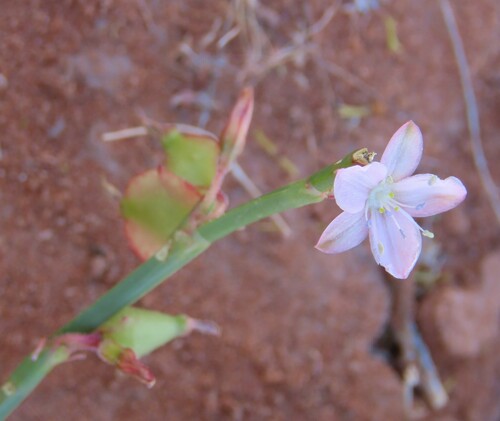
Fallopia dumetorum
(L.) Holub.
Climbing False Buckwheat, Desert Knotgrass
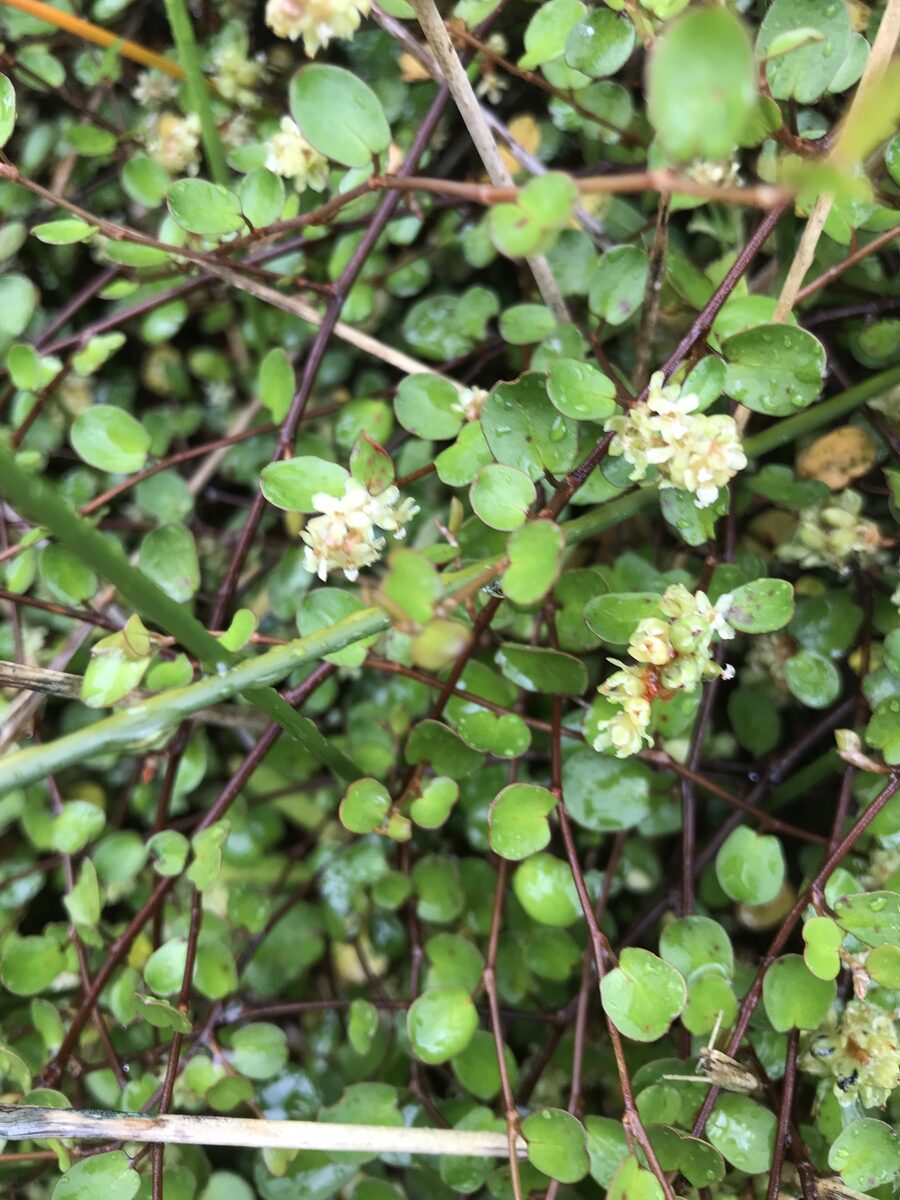
iNaturalist· cc-by
(c) Repina Tatyana, some rights reserved (CC BY), uploaded by Repina Tatyana
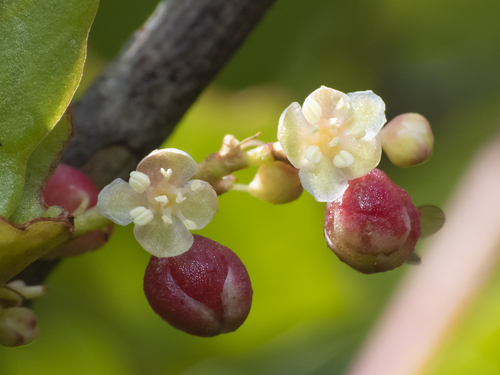
iNaturalist· cc-by-nc
(c) Muriel Bendel, some rights reserved (CC BY-NC), uploaded by Muriel Bendel
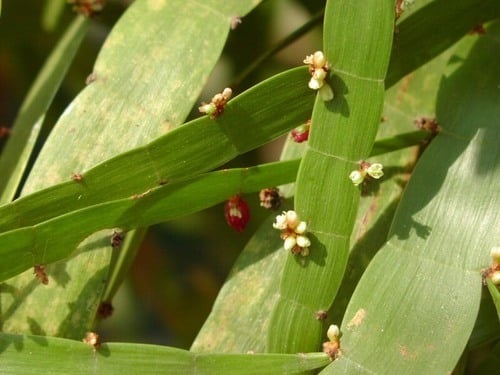
iNaturalist· cc-by-nc
(c) Maria Fazilova, some rights reserved (CC BY-NC), uploaded by Maria Fazilova
Summary
Source: WikipediaFallopia dumetorum, also known as copse bindweed, is a species of flowering plant in the family Polygonaceae, native to temperate Eurasia.
Description
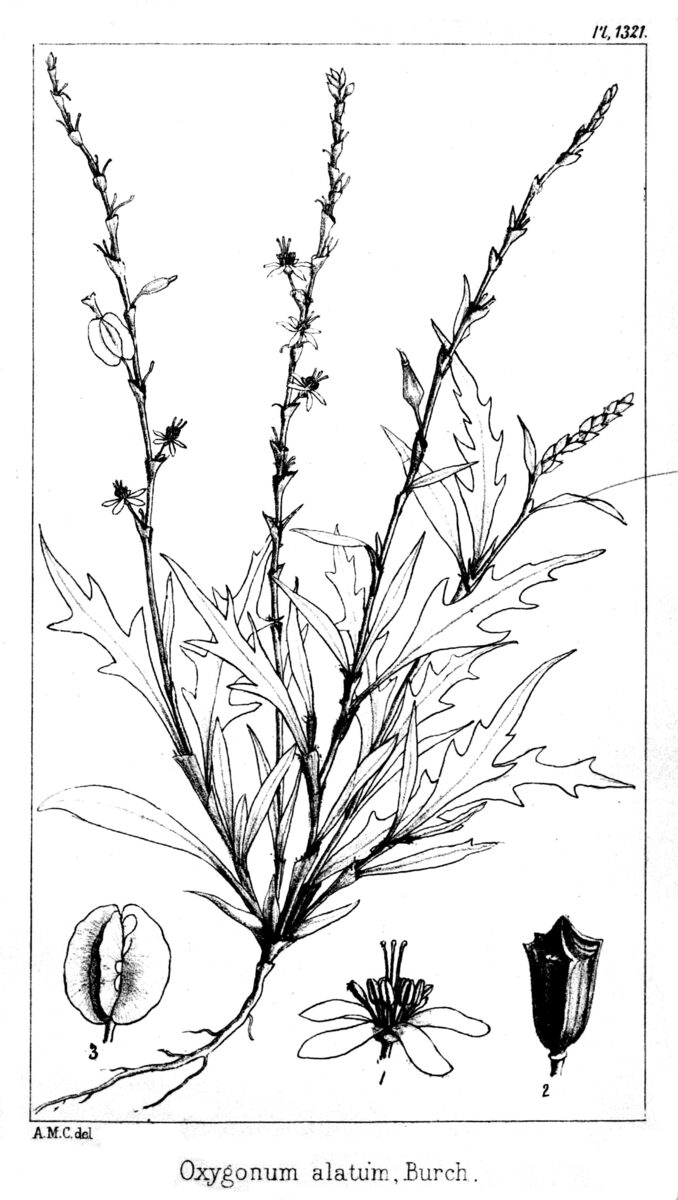
A climbing herb. It can grow to 2 m long. It is twining and the stems are branched. It grows each year from seed. The leaves are simple and may have lobes. They are 3-8 cm long by 2-5 cm wide. The fruit are 2-4 mm long and dry.
Edible Uses
The leaves and seeds are edible.
Distribution
It is a temperate plant. In Pakistan it grows between 1,800-4,500 m above sea level. It grows near rivers and lakes in wetlands.
Where It Grows
Asia*, Britain, Central Asia, China, Europe, Himalayas, India, Korea, Luxembourg, Mediterranean, North America, Pakistan, Tajikistan, USA,
Notes
There are about 50 Polygonum species.
Synonyms
Also Known As
Thicket bindweed
References (3)
- Ambasta, S.P. (Ed.), 2000, The Useful Plants of India. CSIR India. p 479 (As Polygonum dumetorum)
- Plants for a Future database, The Field, Penpol, Lostwithiel, Cornwall, PL22 0NG, UK. http://www.scs.leeds.ac.uk/pfaf/ (As Polygonum dumetorum)
- Sp. Pl. Ed. 2. 1:522. 1762 (As Polygonum dumetorum)