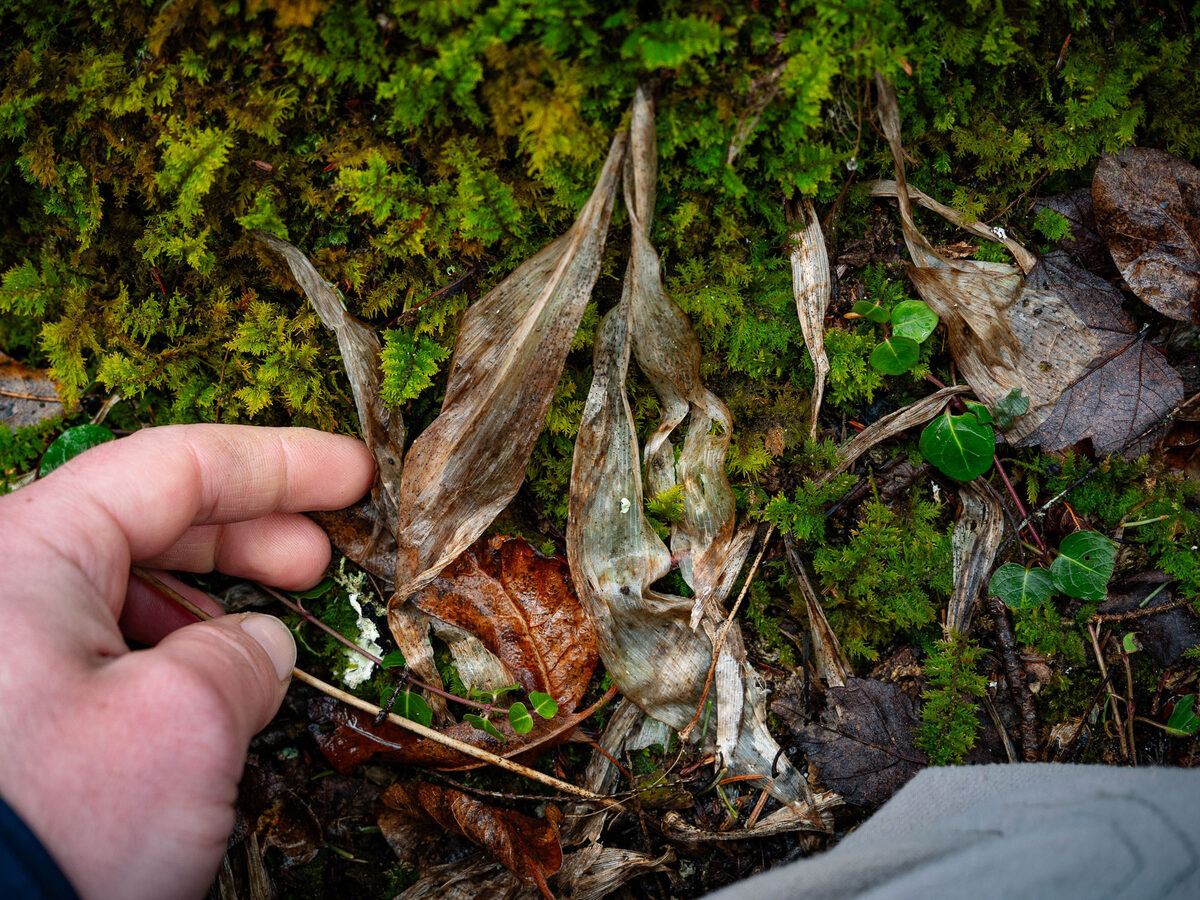
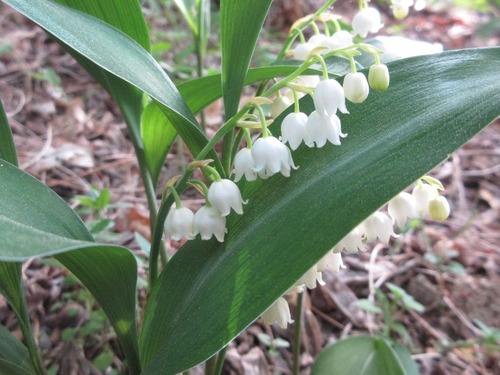
Anemarrhena asphodeloides
Bunge
Zhi mu
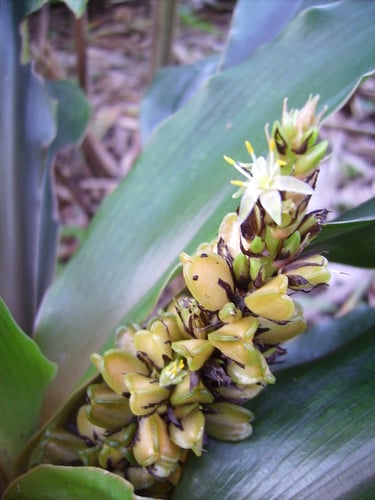
iNaturalist· cc-by-nc
(c) wresy, some rights reserved (CC BY-NC)
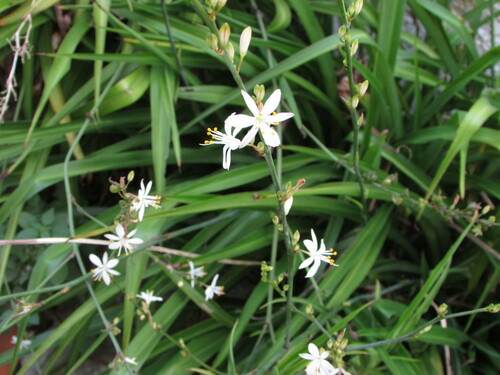
iNaturalist· cc-by-nc
(c) wresy, some rights reserved (CC BY-NC)
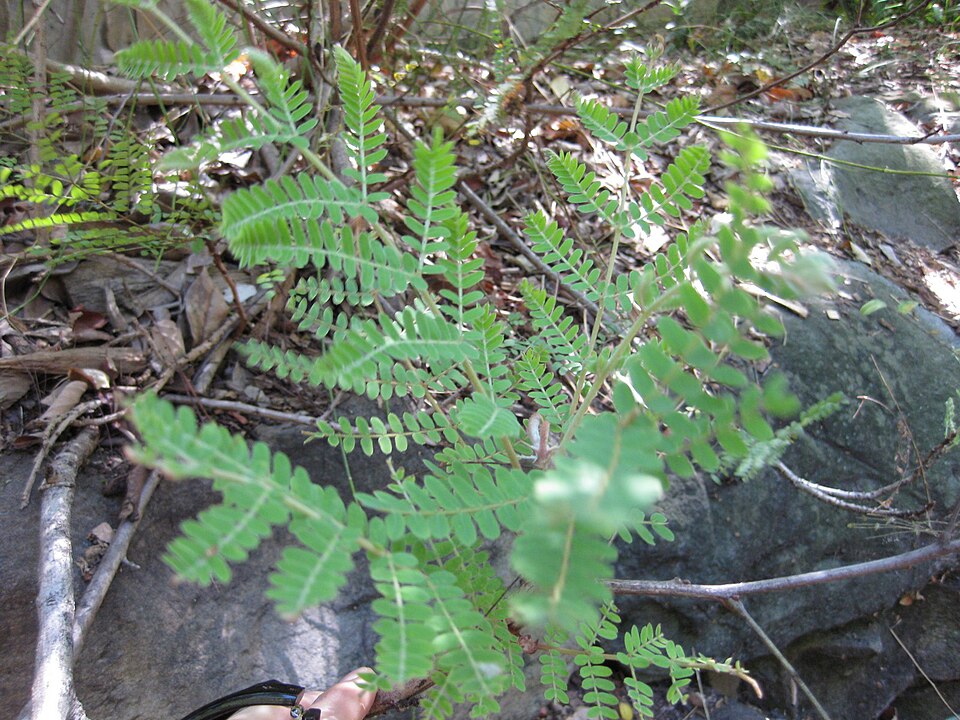
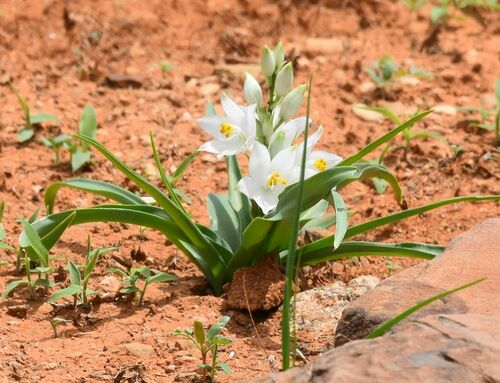
iNaturalist· cc-by-nc
(c) wresy, some rights reserved (CC BY-NC)
Summary
Source: WikipediaAnemarrhena asphodeloides is an evergreen perennial growing 0.5 m tall by 1 m wide. It flowers August to September and is hermaphroditic. It tolerates light sandy, medium loamy, and heavy clay soils in mildly acid to neutral pH. It adapts to semi-shade and prefers moist soil. The plant tolerates strong winds but not maritime exposure.
Description
A herb. It keeps growing from year to year and has rhizomes or underground stems. The rhizomes are 10 cm long by 0.5-1.7 cm wide. The leaves develop from the base and are grass like. They are 10-60 cm long by 0.15-1 cm wide. The scape is 35-100 cm long. The flowers are pink, purple or white. The fruit is a capsule which is 0.8-1 cm long by 0.3-0.6 cm wide. It has 6 prominent angles. The seeds are black.
Edible Uses
None known
Medicinal Uses
The rhizome is anti-fungal, antiseptic, bitter, diuretic, expectorant, febrifuge, hypoglycaemic, laxative, lenitive, sedative and tonic. It has an antibacterial action, inhibiting the growth of Bacillus dysenteriae, B. typhi, B. paratyphi, Proteus and Pseudomonas. Taken internally, it is used in the treatment of high fevers in infectious diseases, TB, chronic bronchitis, diabetes and urinary problems. It should not be given to patients with diarrhoea, and should be used with caution as excess doses can cause a sudden drop in blood pressure. Externally, it is used as a mouthwash in the treatment of ulcers. The rhizome is harvested in autumn and dried for later use.
Known Hazards
It should not be given to patients with diarrhoea and should be administered with caution since when taken in excess it can cause a sudden drop in blood pressure
Distribution
A cool temperate plant. It grows in scrub and grassy slopes in sunny places and on sandy hillsides from sea level to 1500 m in N China. In Sichuan.
Where It Grows
Asia, China, Korea, Mongolia, Taiwan,
Cultivation
Requires a rich moist neutral to acid soil that is rich in organic matter, in a position in partial or dappled shade. Plants are tolerant of strong winds. Plants can be naturalized in wild or woodland gardens and other moist shaded situations that approximate to their natural wooded mountain habitats. This species is not hardy in all parts of Britain, it tolerates temperatures down to at least -5°c. This plant is occasionally cultivated in China as a medicinal herb. The fragrant flowers open in the evening.
Propagation
Seed is best sown as soon as it is ripe in a cold frame, typically germinating the following spring. Stored seed should be sown in late winter or early spring in a cold frame; it may germinate within 1–3 months at 15°C but can take up to a year. Separate the seed completely from the fruit and cover only just barely with soil. If sown thinly enough, seedlings can remain in the pot for their first growing season, with liquid feeds applied at intervals through spring and summer, then divided after going dormant. Otherwise, prick out seedlings when large enough to handle and plant out in late spring or early summer at the start of their second or third year of growth. Division can also be done in spring as new growth is just beginning.
Other Uses
The root contains about 6% saponins, which make an excellent gentle soap, cleansing skin and clothes without stripping natural body oils. To extract the saponins, cut the root into thin slices and simmer gently in water.
Notes
There is one Anemarrhena species. The rhizomes are used in medicine. It has also been put in the family Anemarrhenaceae.
Synonyms
References (6)
- Chen Xinqi, Liang Songyun, Xu Jiemei, Tamura M.N., Liliaceae. Flora of China. p 138
- Enum. pl. China bor. 66. 1833 (Mem. Acad. Imp. Sci. St.-Petersbourg Divers Savans 2:140. 1835)
- Heywood, V.H., Brummitt, R.K., Culham, A., and Seberg, O., 2007, Flowering Plant Families of the World. Royal Botanical Gardens, Kew. p 343 (Genus)
- Lim, T. K., 2015, Edible Medicinal and Non Medicinal Plants. Volume 9, Modified Stems, Roots, Bulbs. Springer p 9
- READ
Show all 6 references Hide references
- Urgamal, M., Oyuntsetseg, B., Nyambayar, D. & Dulamsuren, Ch. 2014. Conspectus of the vascular plants of Mongolia. (Editors: Sanchir, Ch. & Jamsran, Ts.). Ulaanbaatar, Mongolia. p 49