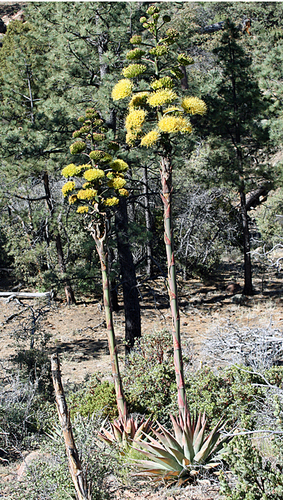
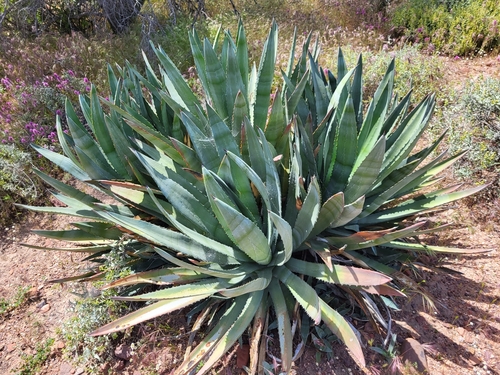
Asparagus plumosus
Baker
Wild asparagus, Asparagus fern
iNaturalist· cc0
no rights reserved
iNaturalist· cc0
no rights reserved
iNaturalist· cc0
no rights reserved
Description
An evergreen vine. It grows 2 m high. The stems are slender and twining. They are green and have prickles. The leaves are dark green and like feathers. The flowers are small and white. The fruit are very small berries.
Edible Uses
The shoots are eaten.
Known Hazards
Asparagus setaceus is toxic to many domestic animals, including dogs and cats, and if they ingest the berries, vomiting, diarrhea, abdominal pain and allergic dermatitis may result. The toxic agent within the plant is sapogenin, a naturally occurring steroid.
Distribution
It is a tropical plant. It is best in a rich, well-drained soil. It needs a protected sunny position. It is resistant to frost but damaged by drought.
Where It Grows
Africa, Australia, East Africa, Eswatini, Europe, Mozambique, Myanmar, Niue, Pacific, Samoa, SE Asia, Slovenia, Southern Africa, Swaziland, Zambia,
Synonyms
Also Known As
Akemya-nsyinge, Inhacatze, Kanyut-gale, Kuangulatilo, Puhasti asparagus, Peresasti beluš
References (4)
- Bodkin, F., 1991, Encyclopedia Botanica. Cornstalk publishing, p 108
- Fowler, D. G., 2007, Zambian Plants: Their Vernacular Names and Uses. Kew. p 65
- Long, C., 2005, Swaziland's Flora - siSwati names and Uses http://www.sntc.org.sz/flora/
- Parham, B. E. V., 1972, Plants of Samoa. New Zealand Department of Scientific and Industrial Research. Information Series. No. 85 p 58