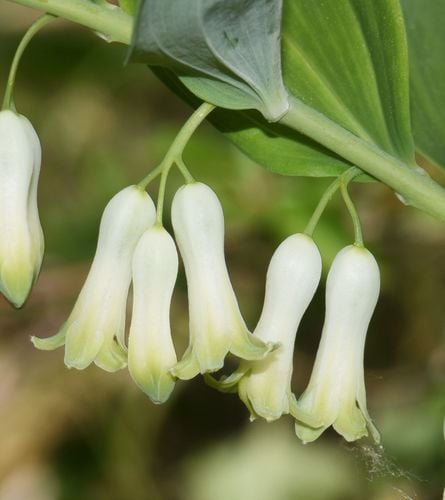
Asparagus persicus
Baker
iNaturalist· cc-by-nc
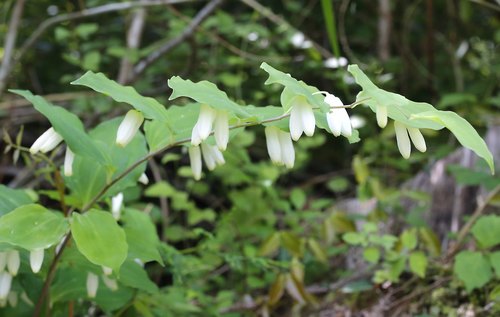
(c) vladimir_epiktetov, some rights reserved (CC BY-NC), uploaded by vladimir_epiktetov
iNaturalist· cc-by-nc
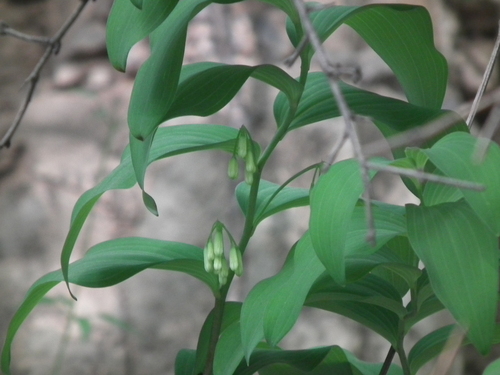
(c) vladimir_epiktetov, some rights reserved (CC BY-NC), uploaded by vladimir_epiktetov
Summary
Source: WikipediaAsparagus persicus, is a flowering plant in the Asparagaceae family. It grows between 800–1700 and is native to Turkey, Iran, Afghanistan, Uzbekistan, Tajikistan, Kazakhstan, China, Russia. It is perennial herbaceous halophyte plant up to 1.5 m tall. It is dioecious, with male and female flowers on separate plants.
Description
A temperate herb in the Asparagaceae family.
This description is brief — help expand it
Edible Uses
The stems are used in stews. The shoots are boiled and then roasted with egg or used in soups.
Traditional Uses
The stems are used in stews. The shots are boiled and then roasted with egg or used in soups.
This uses section is brief — help expand it
Distribution
It is a temperate plant.
Where It Grows
Central Asia, Europe, Tajikistan, Turkey, Türkiye,
Synonyms
Also Known As
Kuskonmaz, Melcu, Melji, Merecoyut
References (3)
- Cakir, E. A., 2017, Traditional knowledge of wild edible plants of Iğdır Province (East Anatolia, Turkey). Acta Soc Bot Pol. 2017;86(4):3568.
- Ertug, F, Yenen Bitkiler. Resimli Türkiye Florası -I- Flora of Turkey - Ethnobotany supplement
- Polat, R., et al, 2017, Survey of wild food plants for human consumption in Bingol, (Turkey). Indian Journal of Traditional Knowledge. Vol. 16(3) July 2017, pp. 378-384