Acacia jennerae
Maiden
Witchety bush
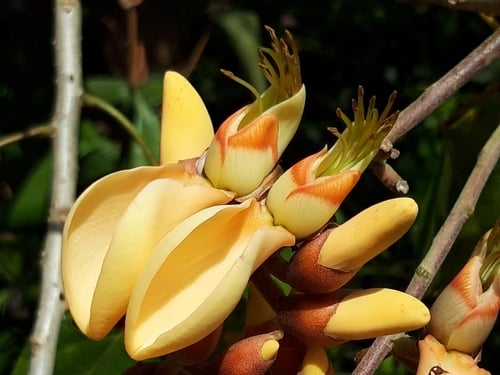
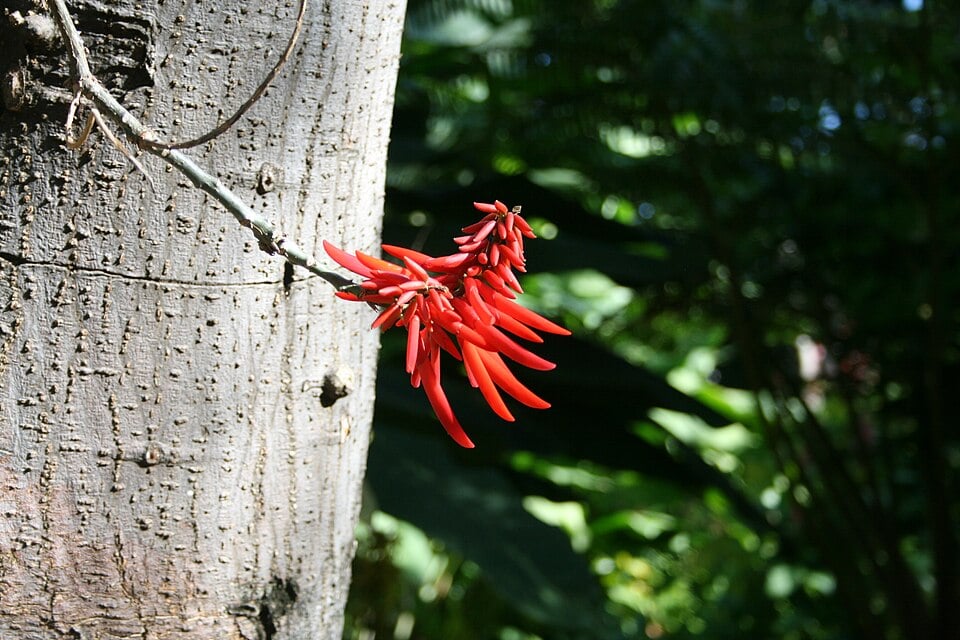
iNaturalist· cc-by-nc
(c) mazzle278, some rights reserved (CC BY-NC)
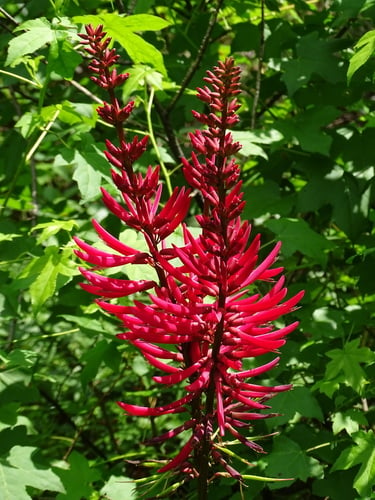
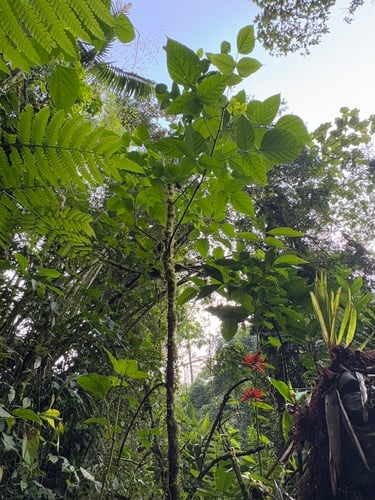
iNaturalist· cc-by-nc
(c) geoffbyrne, some rights reserved (CC BY-NC)
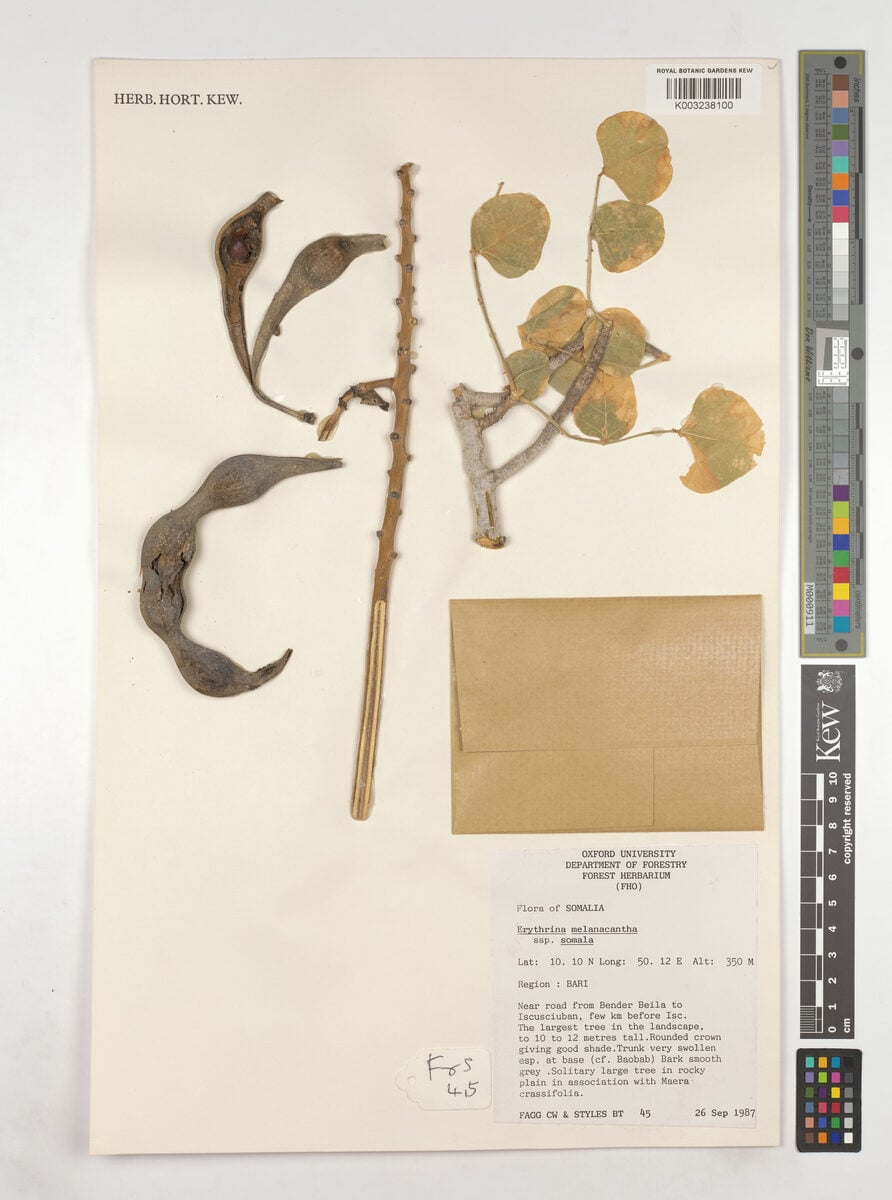
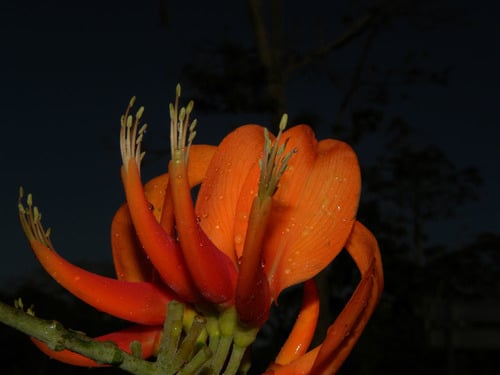
iNaturalist· cc-by-nc
(c) geoffbyrne, some rights reserved (CC BY-NC)
Summary
Source: WikipediaAcacia jennerae (common name Coonavittra wattle) is a shrub or tree belonging to the genus Acacia and the subgenus Phyllodineae that is endemic to arid parts of central Australia.
Description
A shrub or small tree. It grows 5 m tall. There are prickles along the stem. The leaves are twice divided and there are 8-18 pairs of pinnae. There are up to 50 pairs of pinnules on each pinnae. The flowers are yellow. They are in large clusters at the ends of branches. The pods are flattened.
Edible Uses
The seeds and gum can be eaten.
Distribution
It grows around salt lakes and near water courses. It has some fire tolerance. It can grow in arid places.
Where It Grows
Australia*,
Notes
There are about 1,350 Acacia species. Over 1,000 occur in Australia. Also as Mimosaceae.
Synonyms
Also Known As
Lalkerrek, Lalkirrika, Walalyirrki
References (7)
- Cherikoff V. & Isaacs, J., The Bush Food Handbook. How to gather, grow, process and cook Australian Wild Foods. Ti Tree Press, Australia p 47
- A. J. Ewart & O. B. Davies, Fl. N. Territory 333. 1917
- Latz, P., 1996, Bushfires and Bushtucker. IAD. p 102
- Lister, P.R., P. Holford, T. Haigh, and D.A. Morrison, 1996, Acacia in Australia: Ethnobotany and potential food crop. p. 228-236. In: J. Janick (ed.), Progress in new crops. ASHS Press, Alexandria, VA.
- Maslin, B. R., et al, 1998, Edible Wattle Seeds of Southern Australia. CSIRO p 30
Show all 7 references Hide references
- Paczkowska, G . & Chapman, A.R., 2000, The Western Australian Flora. A Descriptive Catalogue. Western Australian Herbarium. p 312
- Pennock, A., et al, Australian Dry-zone Acacias for Human Food: Proceedings of a Workshop.