Pleurospermum austriacum
(L.) Hoffm.
iNaturalist· cc-by-nc
(c) kybelum, some rights reserved (CC BY-NC), uploaded by kybelum
iNaturalist· cc-by-sa
(c) Erwin Gruber, some rights reserved (CC BY-SA)
iNaturalist· cc-by-sa
(c) Erwin Gruber, some rights reserved (CC BY-SA)
Summary
Source: WikipediaA perennial reaching 1 meter tall with flowers appearing July to August. This hermaphrodite, insect-pollinated plant is self-fertile. It thrives in light sandy, medium loamy, or heavy clay soils that are well-drained and mildly acid to basic in pH. Full sun is required; the plant cannot tolerate shade but prefers moist growing conditions.
Description
A perennial reaching 1 meter tall with flowers appearing July to August. This hermaphrodite, insect-pollinated plant is self-fertile. It thrives in light sandy, medium loamy, or heavy clay soils that are well-drained and mildly acid to basic in pH. Full sun is required; the plant cannot tolerate shade but prefers moist growing conditions.
Edible Uses
The young leaves are edible when cooked.
Medicinal Uses
None known
Distribution
It is a temperate plant. It has been recorded at 1,700 m above sea level in Serbia.
Where It Grows
Austria, Balkans, Belarus, Bulgaria, Czech Republic, Europe, France, Germany, Hungary, Italy, Mediterranean, Poland, Romania, Serbia, Sweden, Switzerland, Ukraine, Yugoslavia,
Propagation
No specific information is available for this species, but sowing seed in spring in a cold frame is recommended. Prick seedlings into individual pots when large enough and grow on in a greenhouse through their first winter, planting out early the following summer. Division may also be possible in spring.
Other Uses
None known
Synonyms
References (1)
- Plants for a Future database, The Field, Penpol, Lostwithiel, Cornwall, PL22 0NG, UK. http://www.scs.leeds.ac.uk/pfaf/
More from Apiaceae
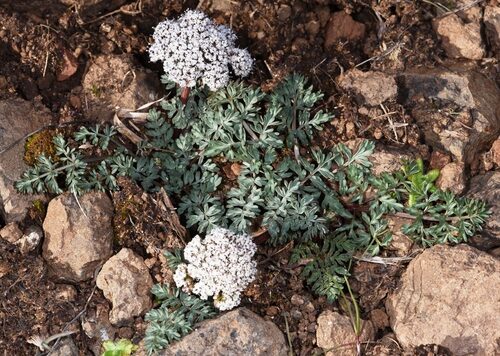
Lomatium canbyi
Biscuitroot, Canby's biscuitroot
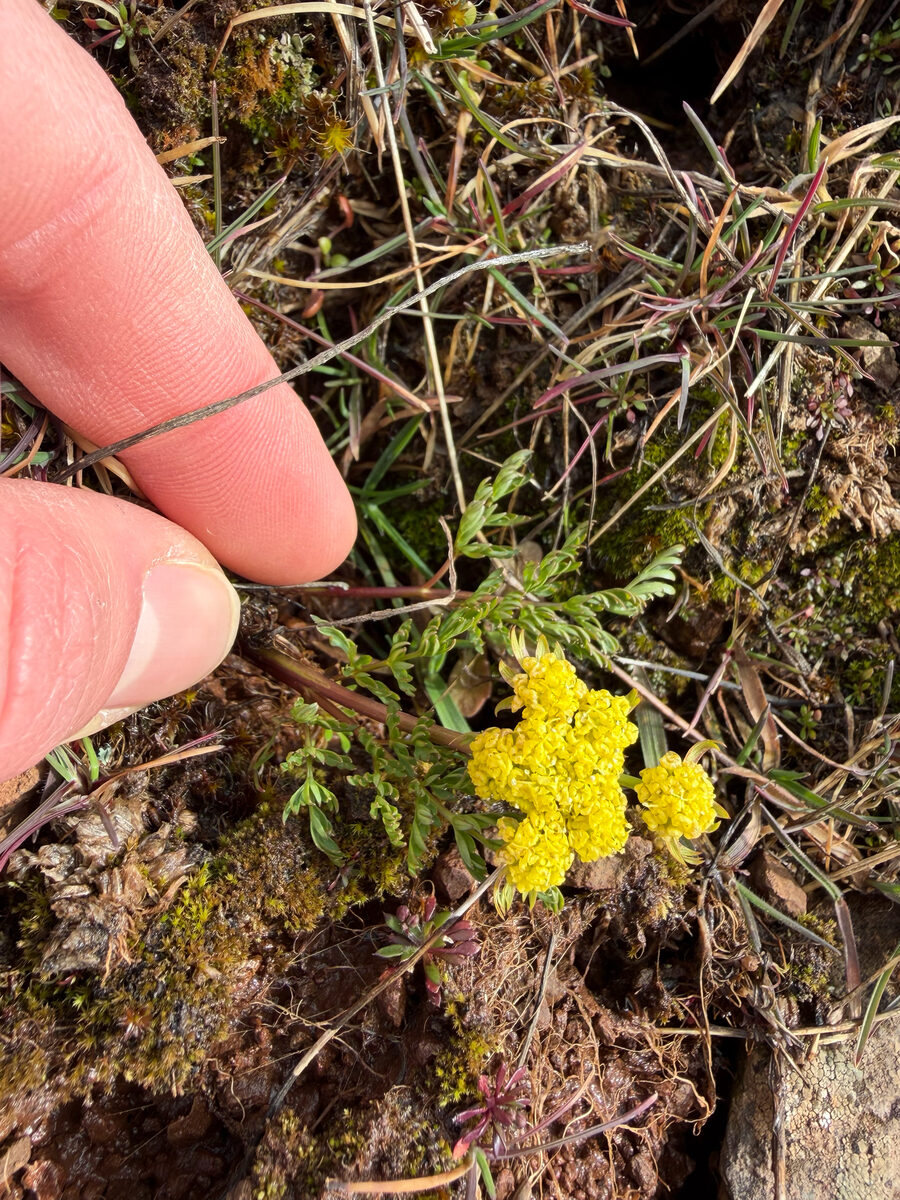
Lomatium cous - (Watson.)Coult.&Rose.
Biscuitroot, Cous biscuitroot
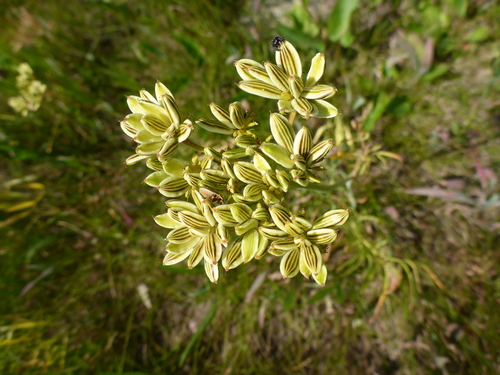
Lomatium dissectum var. multifidum
Carrot leaf biscuit root
Lomatium eurycarpum - .
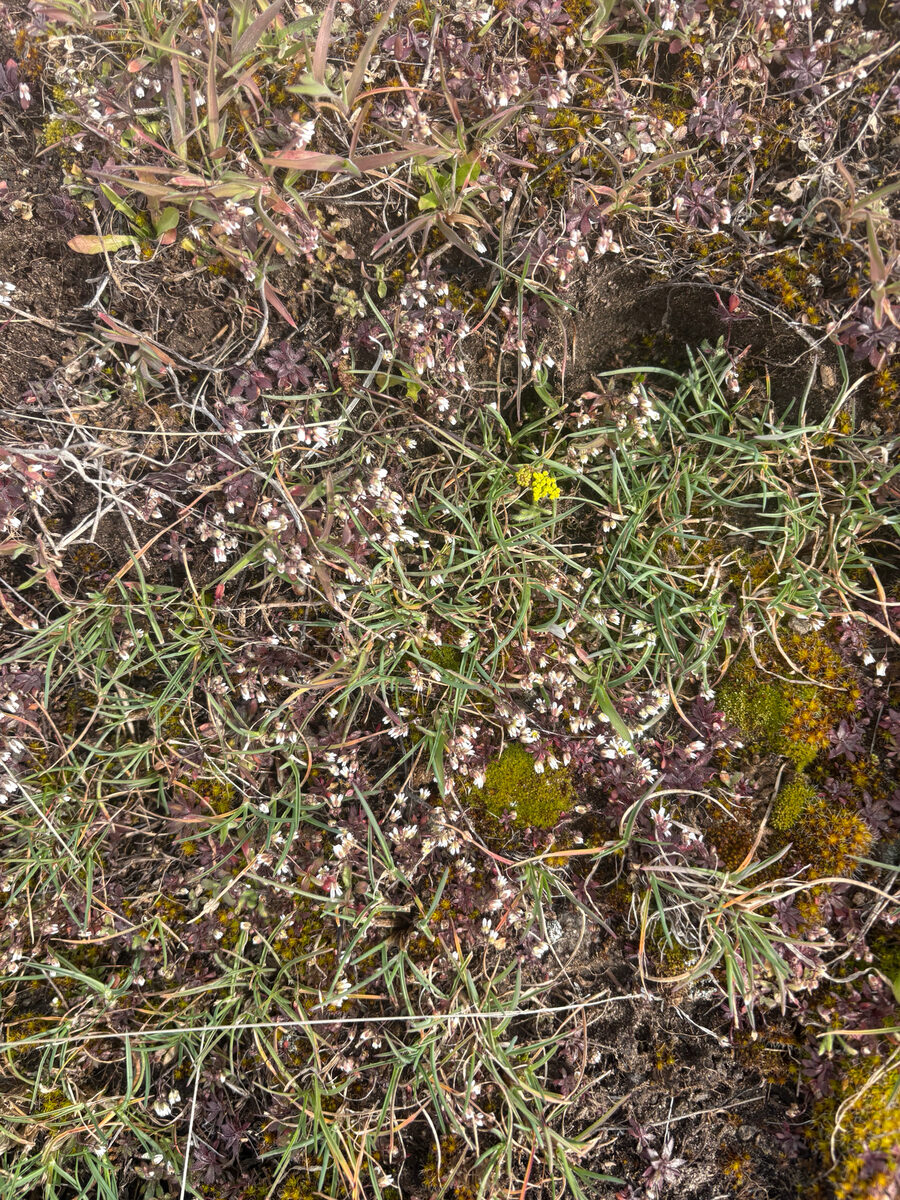
Lomatium farinosum - (Hook.)Coult.&Rose.
Northern Biscuitroot, Hamblen's biscuitroot
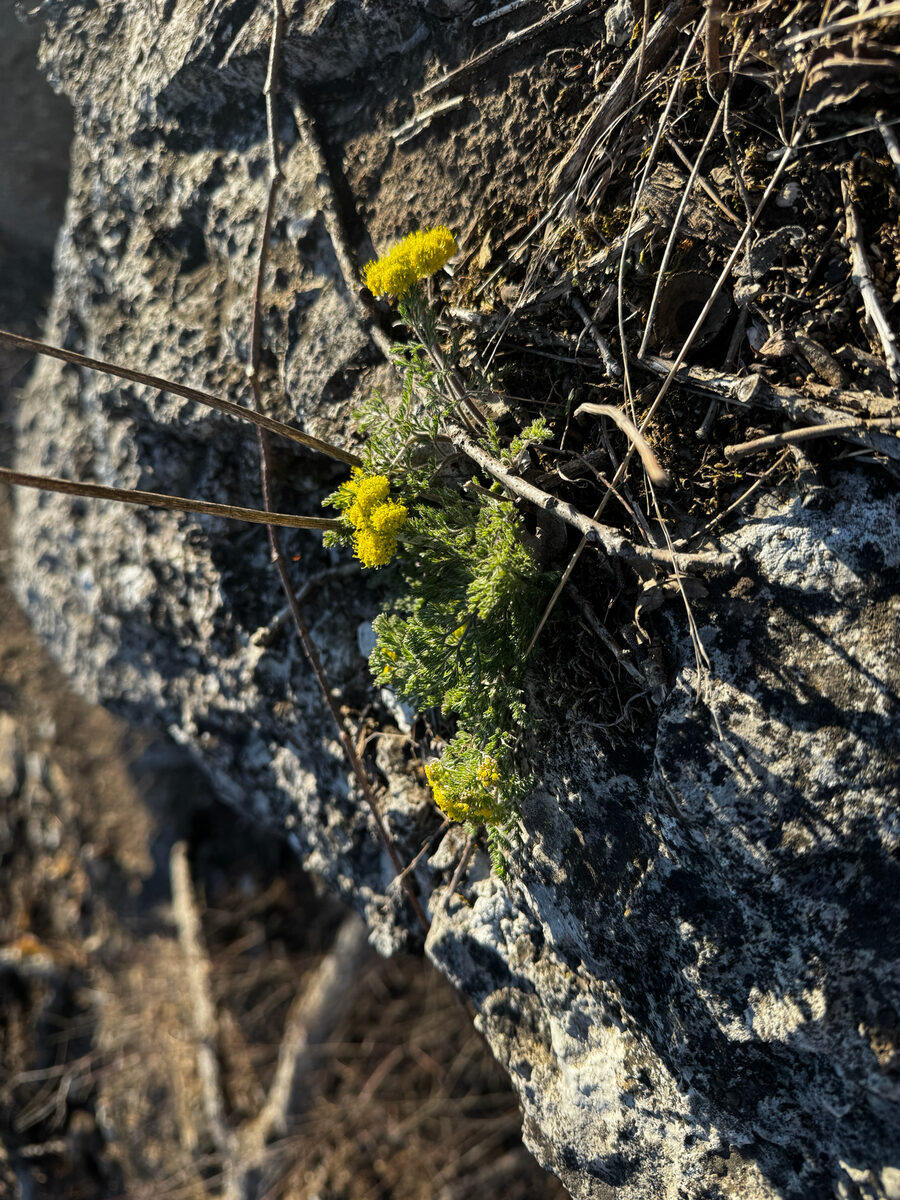
Lomatium foeniculaceum - (Nutt.)Coult.&Rose.
Desert Biscuitroot, Inyo biscuitroot, Macdougal's biscuitroot