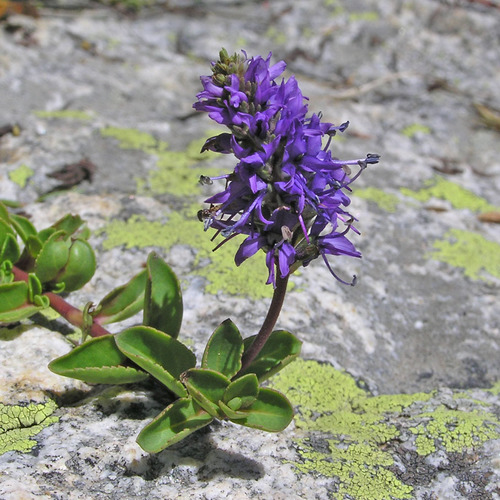
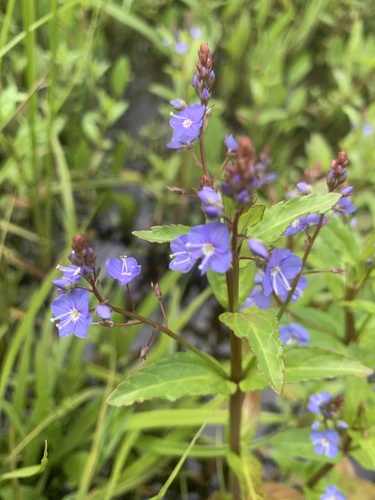
Plantago rugelii
Decne.
Blackseed plantain, Rugel's plantain
iNaturalist· cc-by-nc
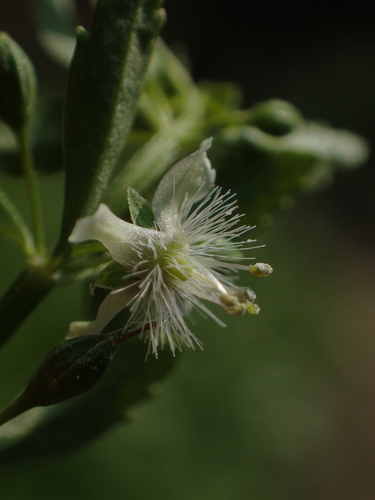
(c) jsm1031, some rights reserved (CC BY-NC)
iNaturalist· cc-by
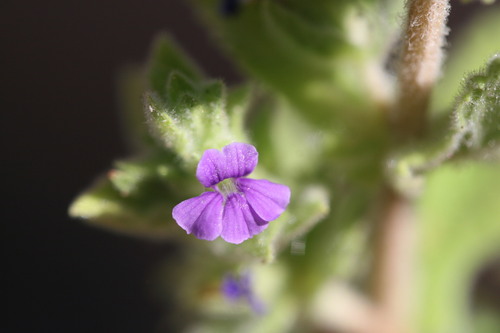
(c) Melissa McMasters, some rights reserved (CC BY)
iNaturalist· cc-by-sa
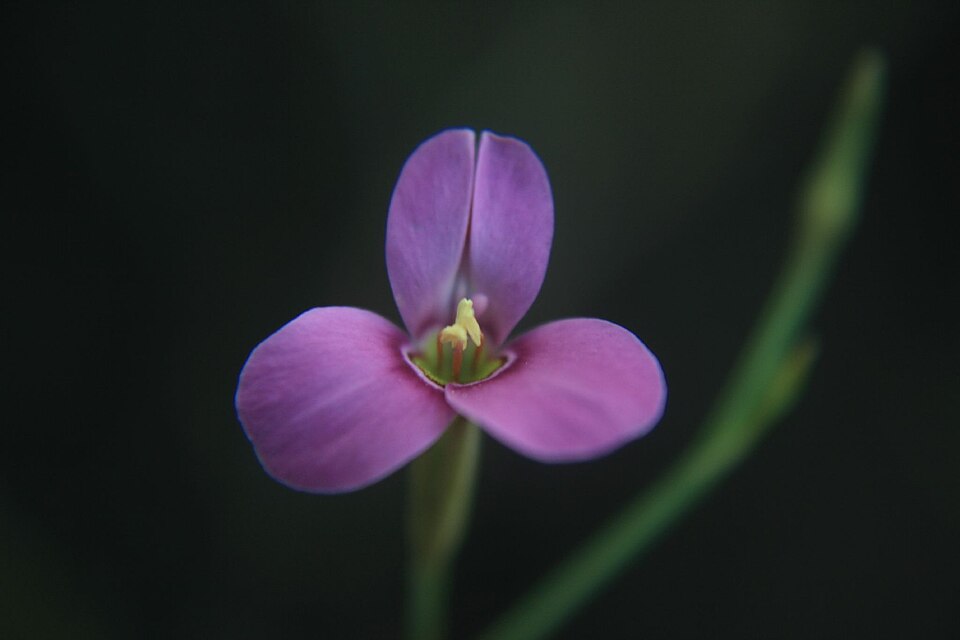
(c) Douglas Goldman, some rights reserved (CC BY-SA), uploaded by Douglas Goldman
Summary
Source: WikipediaPlantago rugelii is an edible species of flowering plant in the plantain family, Plantaginaceae. It is native to North America, where it occurs in eastern Canada and the central and eastern United States. Its common names include American plantain, blackseed plantain, and pale plantain. The specific epithet rugelii honors Ferdinand Rugel, a botanist and plant collector who collected plant specimens throughout the southeastern United States during the period 1840–1848.
Description
A herb. It keeps growing from year to year. It grows 7-30 cm tall. It has a taproot and produces a ring of leaves at the base. They are broadly oval with veins along them. The base of the leaf stalk is reddish. Leaves can be 35 cm long and 12-18 cm wide. The leaf stalk can be 2 cm across. The flowers are in a narrow green pike. They have 4 triangle shaped petals. They are white and folded back at the tip. The seed capsules are elongated.
Edible Uses
Young leaves can be eaten raw or cooked.
Traditional Uses
Young leaves can be chopped and added to salads.
This uses section is brief — help expand it
Medicinal Uses
Plantain seeds contain up to 30% mucilage, which swells in the gut and acts as a bulk laxative while soothing irritated membranes. Sometimes the seed husks are used without the seeds. A poultice made from the fresh leaves is applied externally to treat burns and inflammations.
Distribution
It is a temperate plant. It grows in moist soil and can tolerate some shade.
Where It Grows
Canada, North America*, USA,
Cultivation
We have very little information on this species and do not know if it will be hardy in Britain, though judging by its native habitat it should succeed outdoors in most parts of the country. The following notes are based on the general needs of the genus. Succeeds in any moderately fertile soil in a sunny position.
Propagation
Sow seed in spring in a cold frame. Prick seedlings out into individual pots once large enough to handle, then plant out in early summer. If you have sufficient seed, a direct outdoor sowing can be made in situ from mid to late spring.
Other Uses
None known Special Uses
Notes
The plantains or Plantaginaceae are mostly in temperate regions. There are about 165 Plantago species.
References (3)
- A. L. P. P. de Candolle, Prodr. 13(1):700. 1852
- Plants for a Future database, The Field, Penpol, Lostwithiel, Cornwall, PL22 0NG, UK. http://www.scs.leeds.ac.uk/pfaf/
- www.wildediblefood.com