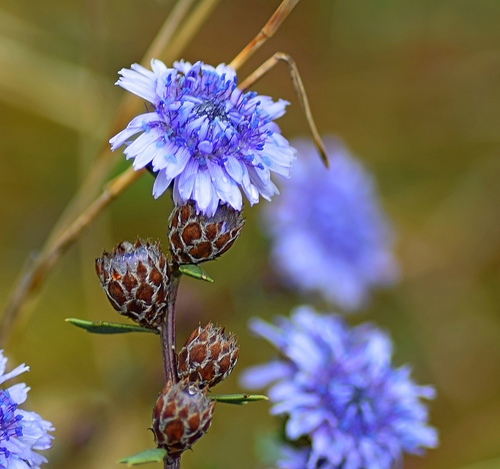
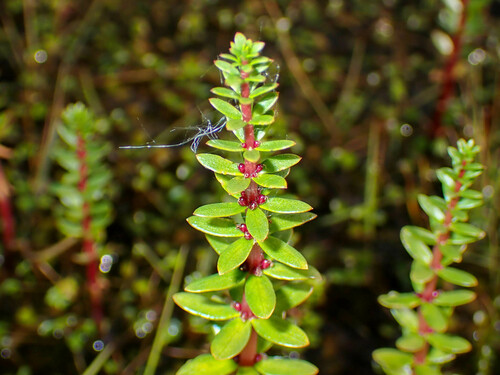
Veronica agrestis
L.
Field speedwell
iNaturalist· cc-by-nc
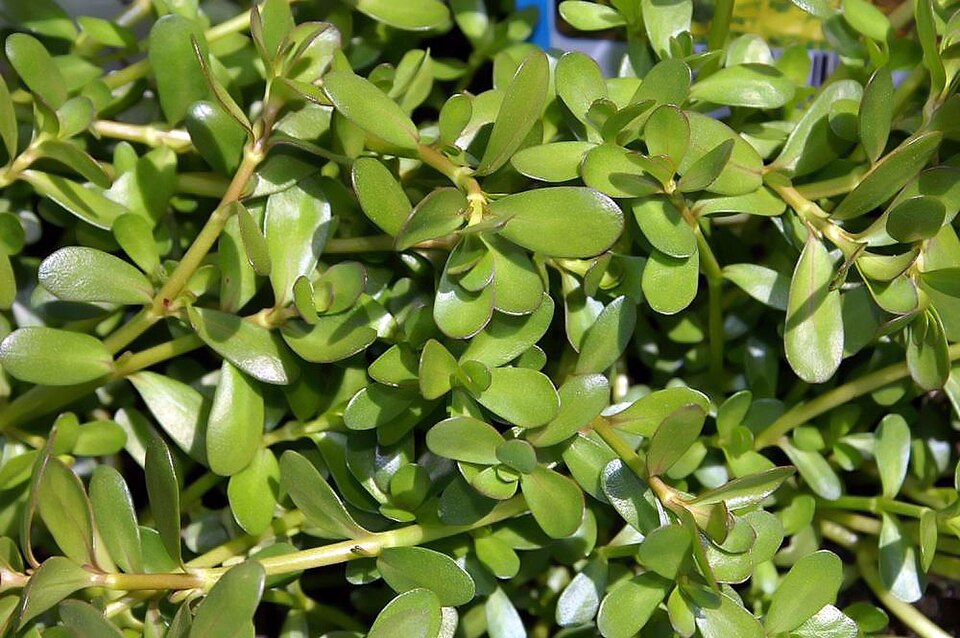
(c) David Earl, some rights reserved (CC BY-NC), uploaded by David Earl
iNaturalist· cc-by-sa
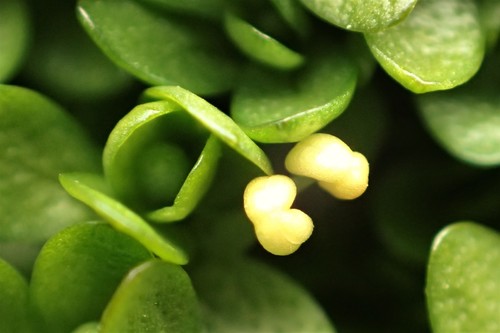
(c) Douglas Goldman, some rights reserved (CC BY-SA)
iNaturalist· cc-by-sa
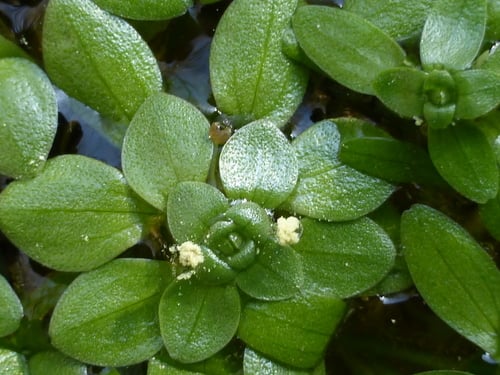
(c) Douglas Goldman, some rights reserved (CC BY-SA)
Summary
Source: WikipediaVeronica agrestis, the green field-speedwell, is a species of flowering plant in the Plantaginaceae (Plantain) family. It is native to Europe, western Asia and North Africa, and has been introduced to eastern North America, India and some other countries.
Description
Veronica agrestis is a low-growing annual reaching 0.1 meter in height, staying in leaf and flower year-round. The self-fertile plant is pollinated by wasps and sawflies. It grows in light sandy, medium loamy, or heavy clay soils that are well-drained, mildly acid to mildly alkaline, and moist. It requires full sun and cannot tolerate shade.
Edible Uses
Leaves and young shoots can be eaten raw or cooked, though they have a bitter flavour. This plant is considered a famine food, turned to only when other options are exhausted.
Traditional Uses
The shoots and leaves are eaten.
This uses section is brief — help expand it
Medicinal Uses
A decoction of the plant is used to treat dysmenorrhoea and haemorrhage.
Distribution
It is a temperate plant.
Where It Grows
Asia, China, Europe*, Falklands, Haiti, Luxembourg, St Helena, West Indies,
Cultivation
Easily grown in a moderately fertile moisture retentive well drained soil. Prefers cool summers.
Propagation
Sow seed in spring or autumn directly in situ.
Other Uses
None known.
Notes
There are about 250 Veronica species. All Veronica are edible. Also put in the family Scrophulariaceae and Plantaginaceae.
References (5)
- Plants for a Future database, The Field, Penpol, Lostwithiel, Cornwall, PL22 0NG, UK. http://www.scs.leeds.ac.uk/pfaf/
- Plants of Haiti Smithsonian Institute http://botany.si.edu/antilles/West Indies
- READ,
- Sp. pl. 1:13. 1753
- Upson, R., & Lewis R., 2014, Updated Vascular Plant Checklist and Atlas for the Falkland Islands. Falklands Conservation and Kew.