Scoparia dulcis
Linn.
Sweet broom, Macao tea
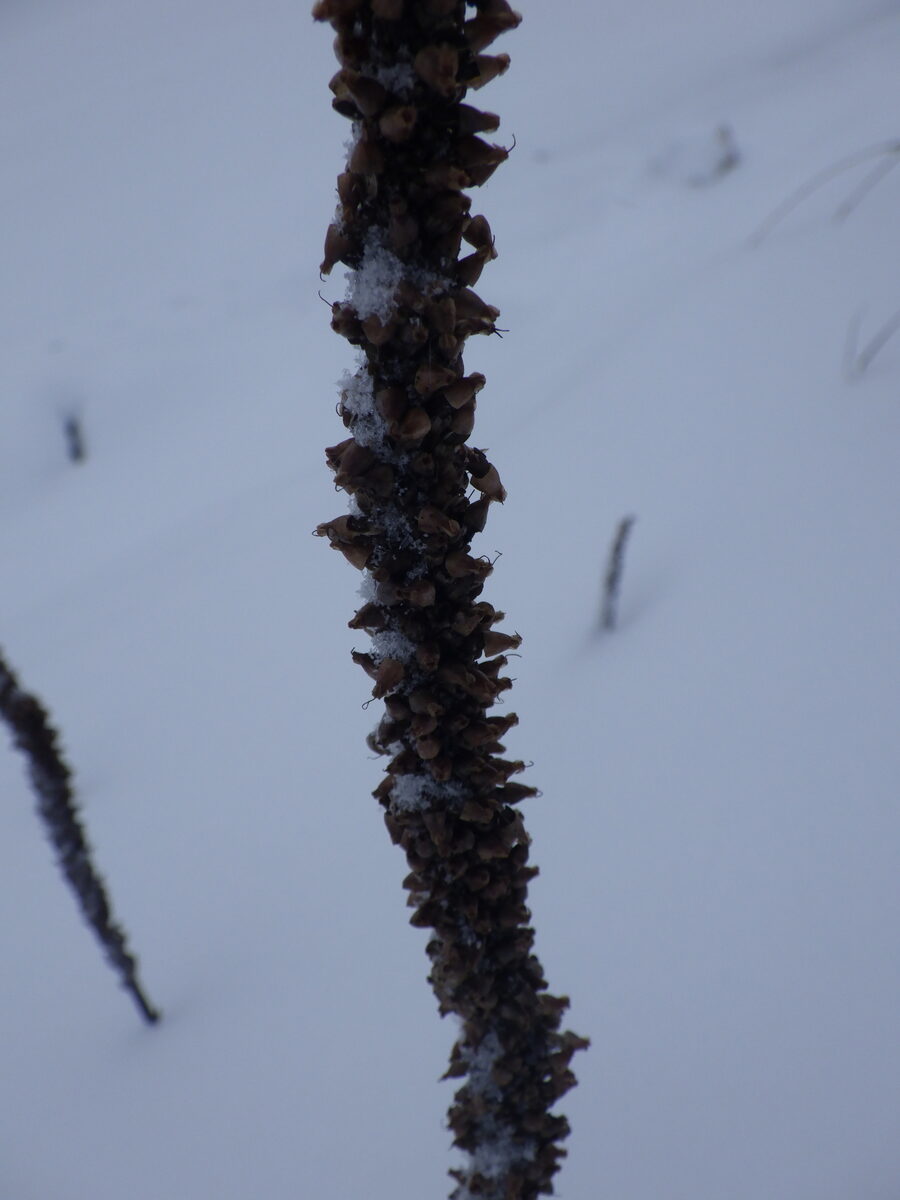
iNaturalist· cc0
no rights reserved, uploaded by 葉子
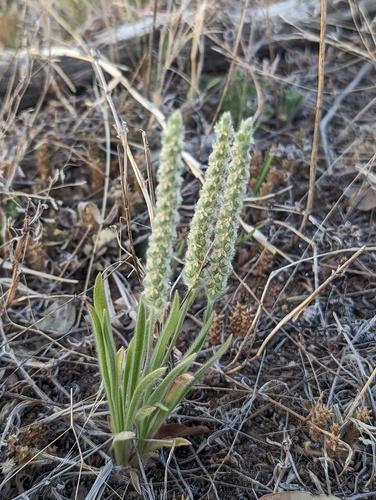
iNaturalist· cc-by-nc
(c) Matt, some rights reserved (CC BY-NC), uploaded by Matt
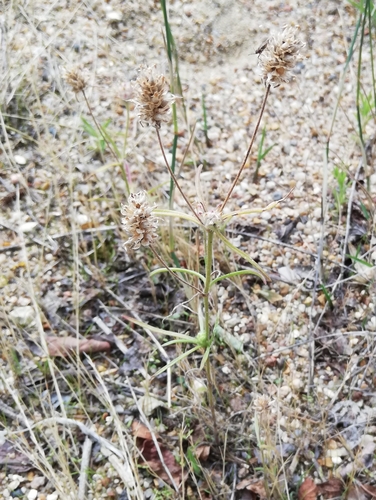
iNaturalist· cc-by-nc
(c) candelabroaureo, some rights reserved (CC BY-NC)
Summary
Source: WikipediaScoparia dulcis is a species of flowering plant in the plantain family. Common names include licorice weed, goatweed, scoparia-weed and sweet-broom in English, tapeiçava, tapixaba, and vassourinha in Portuguese, escobillo in Spanish, and tipychä kuratu in Guarani. It is native to the Neotropics but it can be found throughout the tropical and subtropical world. Although S. dulcis is considered a weed in many parts of India and Bangladesh, its use in traditional medicine has led to overexploitation. The plant is also found as a weed in American citrus groves.
Description
A herb. It grows 1 m tall. The stems are square. The leaves are simple and have 3 in a ring. They are 1-4 cm long and up to 2 cm wide. They surfaces are like sandpaper. The flowers occur in a cluster of 1 or 2 flowers. The flowers are 6 mm across. There are 4 white or pink petals. The fruit is a brown capsule. It is 2-4 mm long and has 2-4 valves. The seeds are brown.
Edible Uses
Seeds soaked in water overnight produce an infusion used as a cooling drink. Bunches of branches are also placed in containers of drinking water, with people claiming this keeps the water cool as if iced.
Traditional Uses
The leaves are used to sweeten well water. They are also used for tea. The young shoots are eaten raw and also cooked as a vegetable. They are fried. The young leaves can be stored for 3-4 days.
Medicinal Uses
Originally from the American tropics, sweet broom has spread as a weed throughout the tropics and been widely adopted as a medicinal herb. In tropical America it is used to treat digestive problems, pulmonary complaints, fevers, and skin disorders, and is considered antibilious, antibiotic, antidote, aphrodisiac, bitter, blood purifier, emetic, febrifuge, hepatic, hypoglycaemic, and stomachic. In India, Indo-China, and South-East Asia, the roots, leaves, and tops are traditionally used as an analgesic, diuretic, and antipyretic, and to treat gastric disorders such as diarrhoea and dysentery, as well as cough, bronchitis, hypertension, haemorrhoids, and insect bites. Research shows the aerial parts contain about 4% of a viscous oil which, alongside fatty acids such as stearic, myristic, and linolenic acid, includes a series of diterpenes. The aerial parts also yield nitrogen-containing compounds and flavonoids. The diterpene scopadulin has shown mild antiviral activity. Scopadulciol, a tetracyclic diterpenoid, has been found to inhibit virus replication as shown by reduced virus production. Scopadulcic acid B has demonstrated tumour-inhibiting action and has also been shown to inhibit replication of herpes simplex virus type 1. Fresh stems and leaves contain a compound called amellin, thought by some to have therapeutic value in diabetes, though this is disputed. Oral administration of amellin is reported to relieve glycosuria, reduce hyperglycaemia, and increase red blood cell count, and has been found helpful in anaemia, albuminuria, ketonuria, retinitis, and other complications associated with diabetes mellitus. Unlike insulin, amellin does not cause blood sugar to drop below normal, and reductions in blood and urine sugar occur gradually. In a clinical trial, 25 healthy people and 30 with gingivitis were given mouthwashes containing either a 1% aqueous extract of the plant or 0.02% chlorhexidine gluconate for six weeks. A slight increase in gingival inflammation was noted in gingivitis patients using the extract, but antiplaque activity was similar to that of 0.02% chlorhexidine. The whole plant is used to treat diabetes, herpes, coughs and colds, fevers, nausea, dizziness, and as an antidote for snake bites and cassava intoxication. In low doses, often in milk, it is given to relieve vomiting in infants; in larger doses it is used to induce vomiting to clear the digestive system. A decoction is drunk to treat remittent fever and gonorrhoea, and to induce labour. A cold decoction is taken as a remedy for gravel and kidney complaints. Fresh or dried plant material is applied externally to treat pimples, impetigo, ulcers, eczema, bruises, and contusions. An infusion is used as a mouthwash for infected gums. Leaves are chewed to treat coughs; they taste bitter at first and later sweet, similar to liquorice, and were formerly used in the treatment of diabetes. Leaves macerated in warm water and drunk copiously once cooled are used to treat feverish headaches.
Distribution
A tropical plant. It grows in rainforest and swamp forest. It suits humid locations. It grows in wetlands. In tropical Queensland it grows from sea level to 950 m altitude. It is best in full sun. In Yunnan.
Where It Grows
Africa, Argentina, Asia, Australia, Bahamas, Bangladesh, Brazil, Burkina Faso, Cambodia, Cameroon, Central Africa, Central African Republic, CAR, Central America*, China, Christmas Island, Congo DR, Dominican Republic, East Africa, Ecuador, Fiji, Gabon, Guiana, Guianas, Guinea, Guinée, Guinea-Bissau, Guyana, Haiti, India, Indochina, Jamaica, Laos, Lesser Antilles*, Mali, Mexico, Mozambique, Myanmar, Nauru, North America, Northeastern India, Pacific, Paraguay, Peru, Philippines, Sao Tome and Principe, SE Asia, Senegal, Sierra Leone, Sikkim, South America*, Sri Lanka, St Lucia, Suriname, Taiwan, Thailand, Uruguay, Venezuela, Vietnam, Virgin Islands, West Africa, West Indies*,
Cultivation
A common weed of lowland tropical and subtropical areas, found in areas where it rains all year round and also where there is a prolonged dry season. Succeeds in most soils. This is one of the half dozen commonest weeds of Central America, and may be found almost anywhere in the lowlands. Plants can flower and fruit all year round. The plant is a probable host for the coconut-yellows-disease, caused by a mycoplasma-like organism. Bloom Color: White/Near White. Spacing: 6-9 in. (15-22 cm).
Propagation
Seed.
Other Uses
The plant is sometimes used as a sand binder. The bushy stems are widely used to make temporary brooms for sweeping floors, and there is a belief that they destroy fleas. Fresh or dried plant material is said to kill fleas, lice, and intestinal worms.
Production
Leaves are available year round.
Other Information
It is sold in local markets in China.
Notes
There are 20 Scoparia species.
Synonyms
Also Known As
Babo castah, Baly dou, Ban dhania, Basourinha, Belbelguel, Bondhone, Bruturut, Cam thao nam, Dana-thuka, Di fu zi, Efunicainei, Funduisi, Kanchhi-madhu, Kra-tai-cham, Krot-nam, Kyese kyese, Misti pata, M'tcinke, Modhu mehari, Monebedoque, N'tchinike, Nucnopichana, Pakkrodum, Pamiquie-chi, Pampa, Pichana, Sabacasan, Sakkarai vembu, Scoparia, Serer, Tagalo chachachachan, Teatina, Tepeti, Thagya-bin, Timim-timim, Timintimes, Timintindjambo, Timitimini, Tuljyor-muk, Tupin remedyu, Verbena, Wawa pichana, Yahaibu
References (31)
- Azam, F. M. S., et al, 2014, Are Famine Food Plants Also Ethnomedicinal Plants? An Ethnomedicinal Appraisal of Famine Food Plants of Two Districts of Bangladesh. Evidence-Based Complementary and Alternative Medicine Volume 2014, Article ID 741712, 28 pages
- Burkill, H. M., 1985, The useful plants of west tropical Africa, Vol. 5. Kew.
- Cooper, W. and Cooper, W., 2004, Fruits of the Australian Tropical Rainforest. Nokomis Editions, Victoria, Australia. p 513
- Dalziel, J. M., 1937, The Useful plants of west tropical Africa. Crown Agents for the Colonies London.
- Diarra, N. et al, 2016, Etude ethnobotanique des plantes alimentaires utilisées en période de soudure dans les régions Sud du Mali. Int. J. Biol. Chem. Sci. 10(1): 184-197
Show all 31 references Hide references
- Dutta, U., 2012, Wild Vegetables collected by the local communities from the Churang reserve of BTD, Assam. International Journal of Science and Advanced Technology. Vol. 2(4) p 123
- Facciola, S., 1998, Cornucopia 2: a Source Book of Edible Plants. Kampong Publications, p 230
- Hedrick, U.P., 1919, (Ed.), Sturtevant's edible plants of the world. p 599
- Hossain, U. & Rahman, A., 2018, Study and quantitative analysis of wild vegetable floral diversity available in Barisal district, Bangladesh. Asian J. Med. Biol. Res. 2018, 4 (4), 362-371
- Japanese International Research Centre for Agricultural Science www.jircas.affrc.go.jp/project/value_addition/Vegetables
- Jiwajinda, S., et al, 2002, Suppressive Effects of Edible Thai Plants on Superoxide and Nitric Oxide Generation. Asian Pacific Journal of Cancer Prevention, Vol 3, 2002
- JSTOR Global Plants edible
- Kermath, B. M., et al, 2014, Food Plants in the Americas: A survey of the domesticated, cultivated and wild plants used for Human food in North, Central and South America and the Caribbean. On line draft. p 792
- Kinupp, V. F., 2007, Plantas alimenticias nao-convencionais da regiao metropolitana de Porto Alegre, RS, Brazil p 92
- Kumar, R. & Saikia, P., 2020, Wild edible plants of Jharkhand and their utilitarian perspectives. Indian Journal of Traditional Knowledge Vol 19 (2), April 2020, pp 237-250
- Latham, P., 2004, Useful Plants of Bas-Congo province. Salvation Army & DFID p 248
- Li, D. et al, 2017, Ethnobotanical survey of herbal tea plants from the traditional markets in Chaoshan, China. Journal of Ethnopharmacology. 205 (2017) 195-206
- Ogle, B. M., et al, 2003, Food, Feed or Medicine: The Multiple Functions of Edible Wild Plants in Vietnam. Economic Botany 57(1): 103-117
- Paczkowska, G . & Chapman, A.R., 2000, The Western Australian Flora. A Descriptive Calatogue. Western Australian Herbarium. p 533
- Pagag, K. & Borthakur, S.K., 2012, Wild edible wetland plants from Lakhimpur district of Assam, India. Pleione 6(2): 322 - 327
- Patiri, B. & Borah, A., 2007, Wild Edible Plants of Assam. Geethaki Publishers. p 93
- Peters, C. R., O'Brien, E. M., and Drummond, R.B., 1992, Edible Wild plants of Sub-saharan Africa. Kew. p 185
- Plants of Haiti Smithsonian Institute http://botany.si.edu/antilles/West Indies
- Savita, et al, 2006, Studies on wild edible plants of ethnic people in east Sikkim. Asian J. of Bio Sci. (2006) Vol. 1 No. 2 : 117-125
- Sivakumar, A. & Murugesan, M., 2005, Ethnobotanical Studies of the wild edible plants used by the tribals of the Anaimalai Hills, the Western Ghats. Ancient Science of Life. XXV(2) Oct-Dec.
- Smith, A.C., 1991, Flora Vitiensis Nova, Lawaii, Kuai, Hawaii, Volume 5 p 43
- Sp. pl. 1:116. 1753
- Torre, de la, L., et al, 2008, Enciclopedia de las Plantas Útiles del Ecuador. Herbario QCA. Pontificia Universidad Católica del Ecuador. p 505
- Uphof,
- World Checklist of Useful Plant Species 2020. Royal Botanic Gardens, Kew
- Xu, You-Kai, et al, 2004, Wild Vegetable Resources and Market Survey in Xishuangbanna, Southwest China. Economic Botany. 58(4): 647-667.