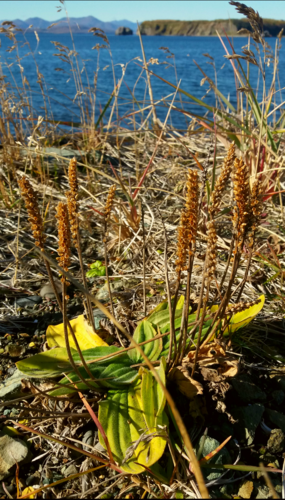
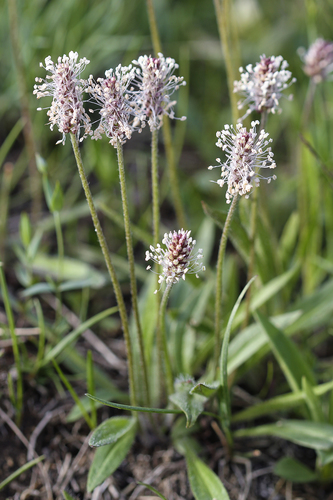
Plantago psyllia
L. (1753 non 1762)
Fleawort, Psyllium seed, Fleaseed
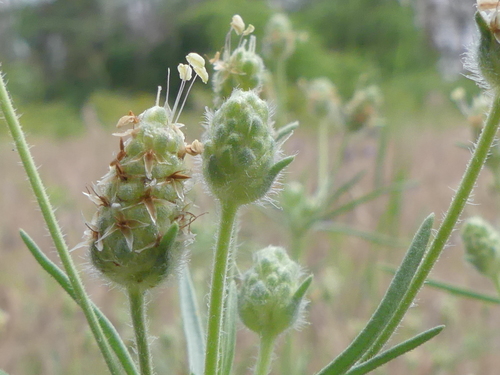
iNaturalist· cc-by
(c) Xavier JAPIOT, some rights reserved (CC BY)
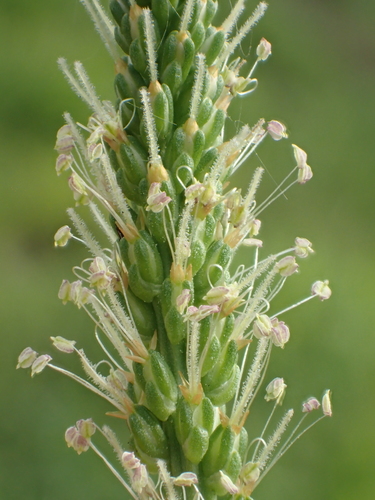
iNaturalist· cc-by-nc
(c) wsimmons, some rights reserved (CC BY-NC)
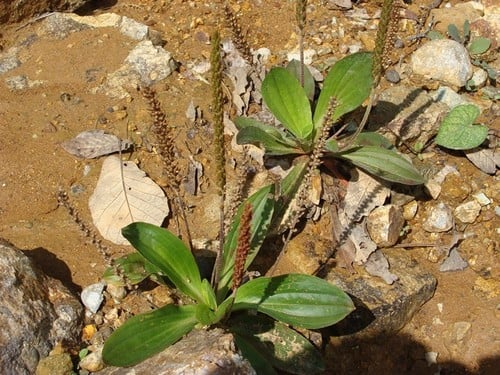
iNaturalist· cc-by-nc
(c) Aleš Zvára, some rights reserved (CC BY-NC)
Description
A temperate herb in the Plantaginaceae family with edible seeds and leaves. The seeds are particularly notable for their high linoleic and alpha-linoleic acid content.
Edible Uses
Sprouted seeds are eaten raw in salads, grown on porous material to reduce mucilage. The seeds are a source of oil, and the seed husk mucilage is used as a stabiliser in frozen dairy desserts.
Traditional Uses
The sprouted seeds are eaten raw in salads. They are grown on porous material to reduce the mucilage. The seeds are the source of an oil. The seed husk mucilage is used as a stabiliser in froxen dairy desserts.
Medicinal Uses
The seeds, known as French psyllium or black psyllium, are medicinally cultivated, along with other species under the psyllium common name, such as P. ovata, for use as a laxative for constipation and are also used to treat irritable bowel syndrome (IBS) and diarrhea by extracting the mucilage from the seed coat. The mucilage from the seeds has also been reported to lower the risk of coronary heart disease.
Distribution
It is a temperate plant.
Where It Grows
Asia, Europe, France, India, Iraq, Mediterranean, Middle East, Spain, Turkey, Türkiye,
Notes
The plantains or Plantaginaceae are mostly in temperate regions. There are about 165 Plantago species. The seeds are high in linoleic and alpha-linoleic acids.
Nutrition
| Part | Moisture | kJ | kcal | Protein | Vit A | Vit C | Iron | Zinc |
|---|---|---|---|---|---|---|---|---|
| husk | 8.3 | 1402 | 335 | 1.4 | — | — | — | — |
Also Known As
Kala isabgol
References (6)
- Ambasta, S.P. (Ed.), 2000, The Useful Plants of India. CSIR India. p 467
- Facciola, S., 1998, Cornucopia 2: a Source Book of Edible Plants. Kampong Publications, p 173
- Food Composition Tables for the Near East. http://www/fao.org/docrep No. 392
- Plants for a Future database, The Field, Penpol, Lostwithiel, Cornwall, PL22 0NG, UK. http://www.scs.leeds.ac.uk/pfaf/
- Solomon, C., 2001, Encyclopedia of Asian Food. New Holland. p 283 (Plantago psyllium)
Show all 6 references Hide references
- Sp. pl. 1:115. 1753 - non P. psyllium L. (1759, nec L. 1762)\; this name needs to be formally rejected to preserve usage of P. arenaria, but a proposal to accomplish this has not yet been submitted