Plantago australis
Lam.
Mexican plantain
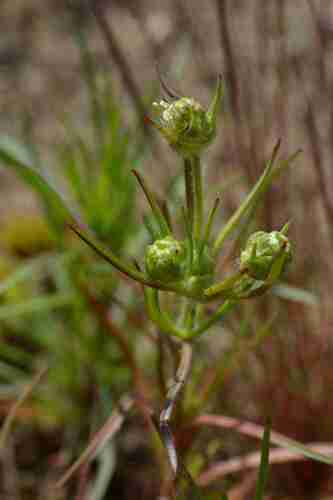
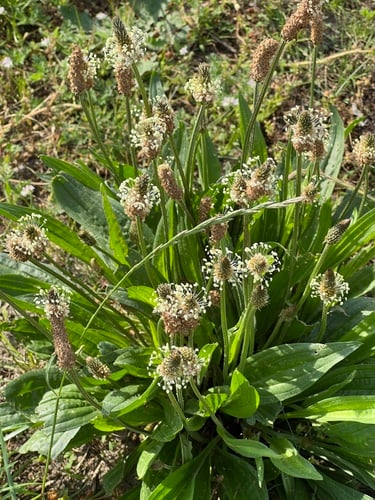
iNaturalist· cc-by
(c) Alexis López Hernández, some rights reserved (CC BY), uploaded by Alexis López Hernández
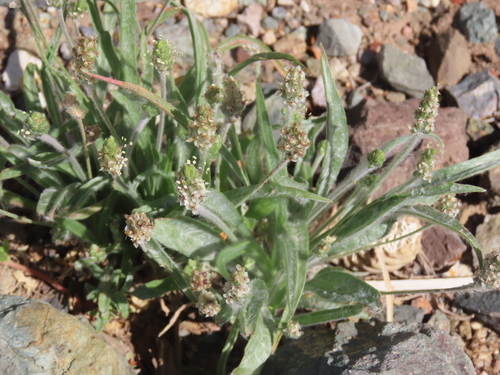
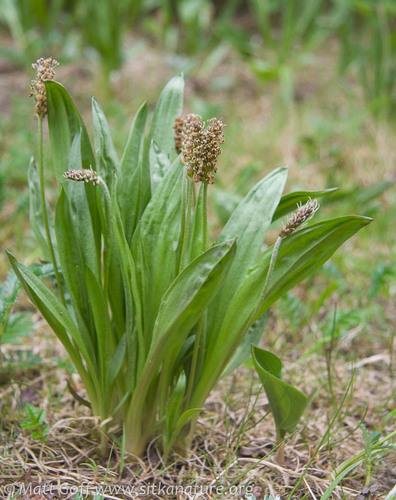
iNaturalist· cc-by
(c) John Steel, some rights reserved (CC BY), uploaded by John Steel
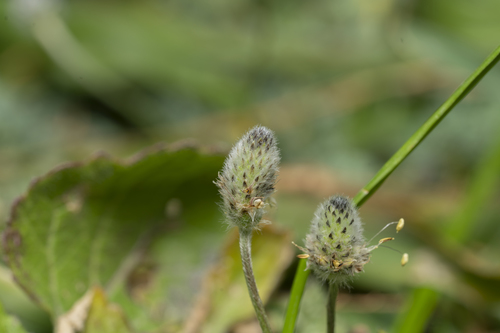
iNaturalist· cc-by
(c) Lisa Bennett, some rights reserved (CC BY), uploaded by Lisa Bennett
Summary
Source: WikipediaA compact perennial reaching 0.2m (8 inches) in both height and width. Hermaphroditic, wind-pollinated, self-fertile plant suited to light sandy through heavy clay soils with mildly acid to basic pH. Requires full sun and prefers moist, well-drained soil.
Description
A herb. It keeps growing from year to year. It grows 20 cm tall and spreads 20 cm wide.
This description is brief — help expand it
Edible Uses
Young leaves can be eaten raw or cooked.
Traditional Uses
The young leaves are cooked and eaten. They are also eaten raw in salads.
This uses section is brief — help expand it
Medicinal Uses
Plantain seeds contain up to 30% mucilage, which swells in the gut and acts as a bulk laxative while soothing irritated membranes; sometimes the husks are used without the seeds. A poultice of the leaves has been used in the treatment of cuts and boils.
Distribution
It is a temperate plant. In Argentina it grows from sea level to 3,500 m above sea level. Tasmania Herbarium.
Where It Grows
Argentina, Australia, Bolivia, Brazil, Central America, Chile, Colombia, Costa Rica, Ecuador, El Salvador, Guatemala, Honduras, Mexico, Nicaragua, North America, Panama, Paraguay, Peru, South America*, Tasmania, Uruguay, USA, Venezuela,
Cultivation
We have very little information on this species but it has been growing successfully with us since 1990 and seems to be fully hardy. It succeeds in any moderately fertile soil in a sunny position.
Propagation
Seed - sow in spring in a cold frame. Prick seedlings into individual pots when large enough to handle and plant out in early summer. A direct sowing outdoors in situ can be made in mid to late spring if sufficient seed is available.
Other Uses
None known
Notes
The plantains or Plantaginaceae are mostly in temperate regions. There are about 165 Plantago species.
Synonyms
Also Known As
Lantem, Llanten, Rorogochi, Rorokochari, Tanchagem, Tansagem
References (9)
- Diaz-Betancourt, M., et al, 1999, Weeds as a future source for human consumption. Rev. Biol. Trop. 47(3):329-338 (As Plantago hirtella)
- Kermath, B. M., et al, 2014, Food Plants in the Americas: A survey of the domesticated, cultivated and wild plants used for Human food in North, Central and South America and the Caribbean. On line draft. p 669
- Kew Plants of the World Online
- Kinupp, V. F., 2007, Plantas alimenticias nao-convencionais da regiao metropolitana de Porto Alegre, RS, Brazil p 91
- Kinupp, V. F. & Bergman, I., 2008, Protein and minerals of native species, potential vegetables and fruits. Cienc.Tecnol. Aliment. Vol. 28 No. 4 Campinas Oct/Dec.
Show all 9 references Hide references
- Kujawska, M. & Luczaj, L., 2015, Wild Edible Plants Used by the Polish Community in Misiones, Argentina. Human Ecology 43:855-869
- Plants for a Future database, The Field, Penpol, Lostwithiel, Cornwall, PL22 0NG, UK. http://www.scs.leeds.ac.uk/pfaf/
- Tabl. encycl. 1:339. 1792
- Tasmanian Herbarium Vascular Plants list p 44