Plantago indica
L.
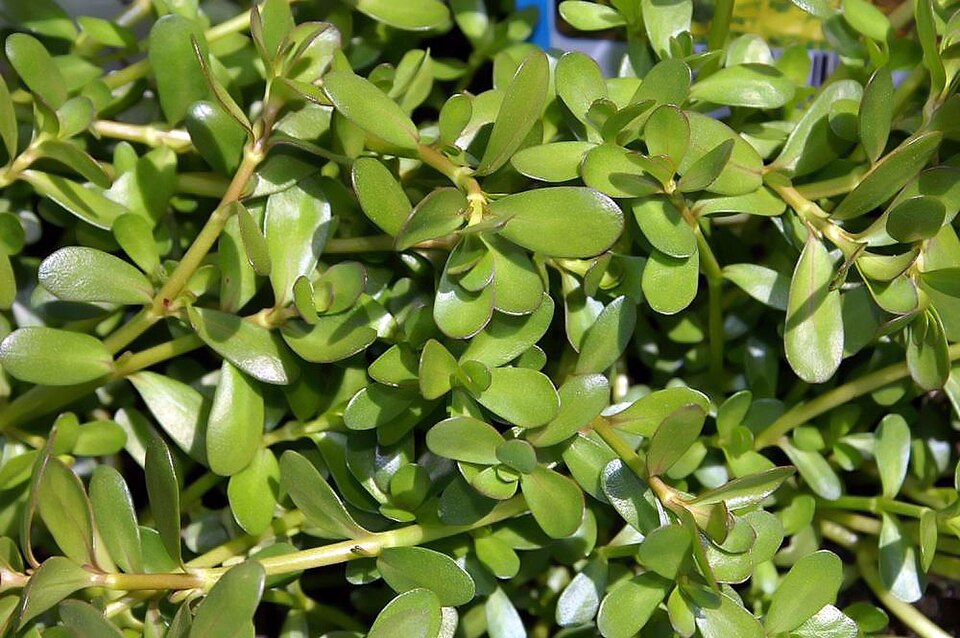
iNaturalist· cc-by-nc
(c) Aleš Zvára, some rights reserved (CC BY-NC)
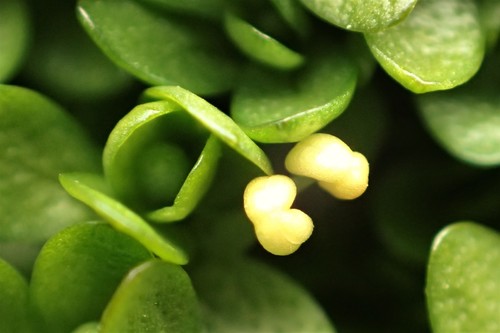
iNaturalist· cc-by-nc
(c) Aleš Zvára, some rights reserved (CC BY-NC)
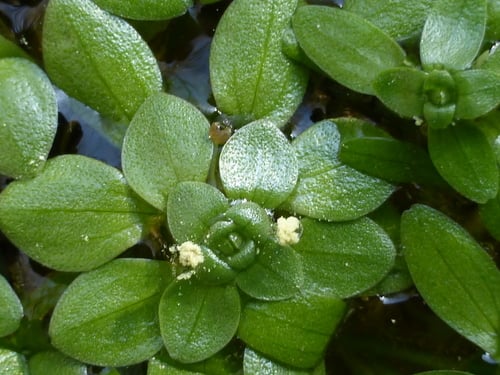
iNaturalist· cc-by-nc
(c) wsimmons, some rights reserved (CC BY-NC)
Summary
Source: WikipediaPlantago indica, commonly known as branched plantain, sand plantain, or black psyllium, is a flowering plant in the plantain family Plantaginaceae, and is one of a group of species in the genus Plantago formerly treated by some authors in a separate genus Psyllium. The plant is native to parts of Africa, Europe, Russia, and Asia, and is naturalised in many other areas such as Australia and North America. The plant can be found mostly in dry inland areas, such as those that are sandy, and also grows on roadsides and in meadows. The plant is not used broadly as a food source, but has been cultivated for its seeds which serve a medicinal use as a laxative. Plantago indica has been widely listed as P. arenaria, a later synonym, and also extensively confused with the related species Plantago afra (glandular plantain).
Description
A cultivated tropical herb in the family Plantaginaceae.
This description is brief — help expand it
Edible Uses
The seeds are edible.
Medicinal Uses
The seeds, known as French psyllium or black psyllium, are medicinally cultivated, along with other species under the psyllium common name, such as P. ovata, for use as a laxative for constipation and are also used to treat irritable bowel syndrome (IBS) and diarrhea by extracting the mucilage from the seed coat. The mucilage from the seeds has also been reported to lower the risk of coronary heart disease.
Distribution
It is a tropical plant.
Where It Grows
Asia, Europe, France, SE Asia, Thailand,
Other Information
It is cultivated.
Synonyms
Also Known As
Tein kred hoi
References (2)
- Jiwajinda, S., et al, 2002, Suppressive Effects of Edible Thai Plants on Superoxide and Nitric Oxide Generation. Asian Pacific Journal of Cancer Prevention, Vol 3, 2002 (As Plantago psyllium)
- Zeven, A. C. & de West, J. M. J., 1982, Dictionary of cultivated plants and their regions of diversity. Wageningen. p 117