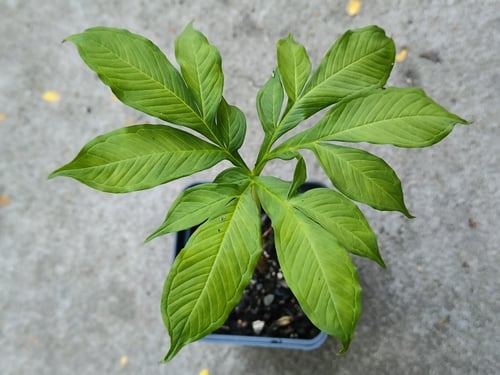
Pistia stratiotes
L.
Water Lettuce, Nile cabbage
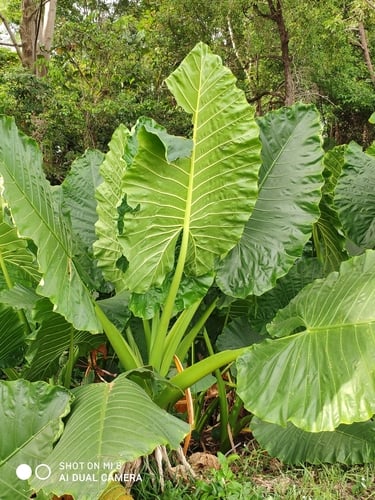
iNaturalist· cc-by-nc
(c) amywainwright, some rights reserved (CC BY-NC)
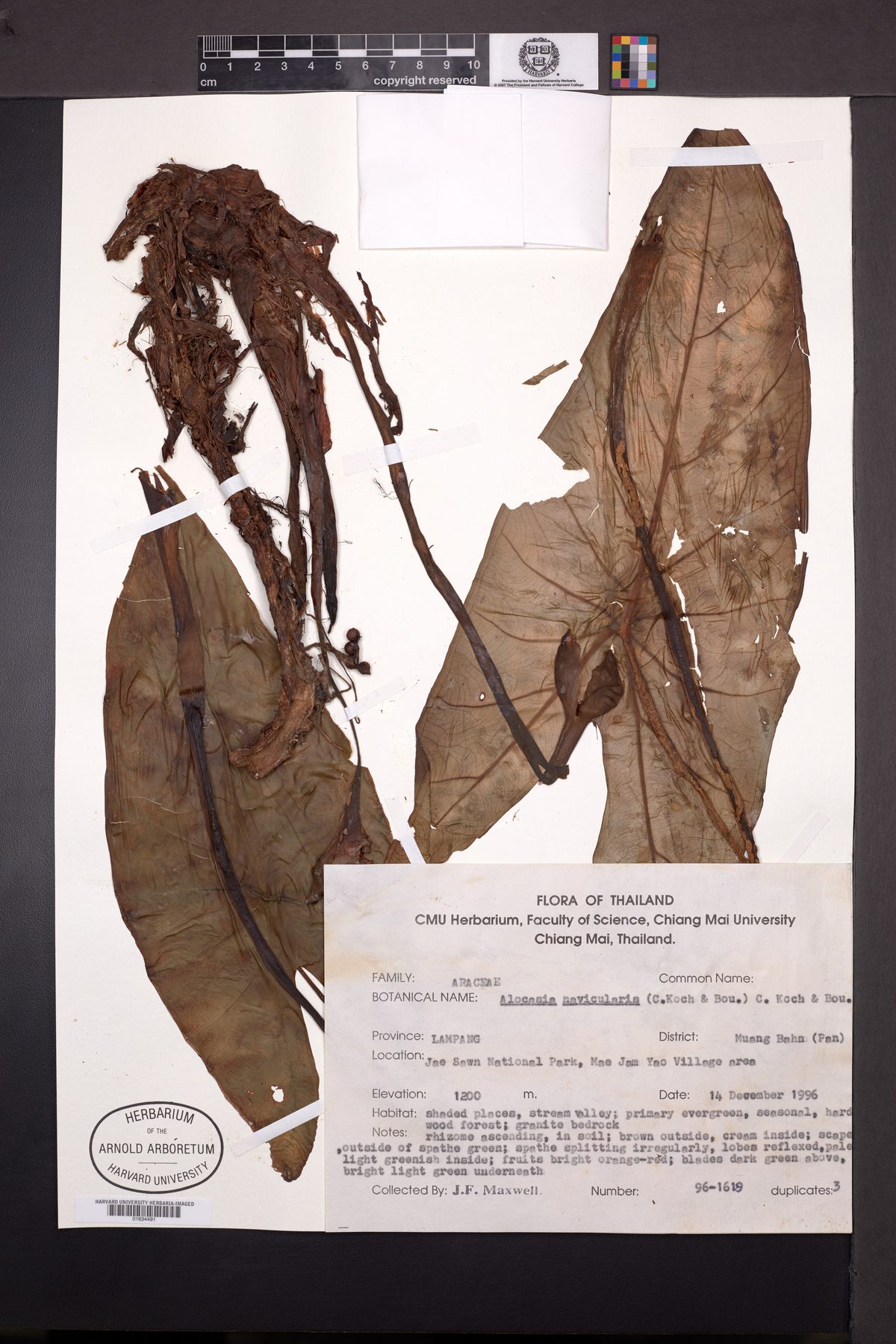
iNaturalist· cc-by-nc
(c) 李博恒, some rights reserved (CC BY-NC), uploaded by 李博恒
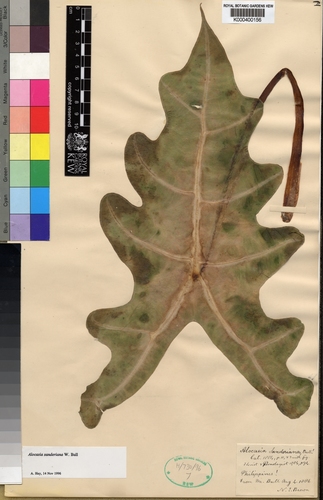
iNaturalist· cc-by-nc
(c) José Humberto Castañón González, some rights reserved (CC BY-NC), uploaded by José Humberto Castañón González
Description
A floating herb. This plant looks something like a lettuce and grows on water. The water needs to be stagnant or slow moving. The leaves are produced in a rosette. They are light green. The leaves are hairy and have 7-15 ridges. The plant sends out runners. These end with a tuft of leaves. The leaves overlap and are without stalks. They arise from the same level. Plants are of separate sexes. The female flowers occur singly and are at the base. Male flowers have a single stamen and occur as 2-8 flowers together. They are at the end of the plant.
Edible Uses
While considered edible, Pistia stratiotes is not palatable as it is rich in calcium oxalate crystals that are bitter in taste. Nevertheless, there are records of the plant being utilized as famine food in India during the Great Famine of 1876–1878. The Hausa people of Nigeria used the ash of the plant as a substitute for salt due to its high concentration of potassium chloride, a mineral salt. This salt substitute, also called zakankau, was of high importance, especially when imported salt was unavailable. Caution is advised when consuming Pistia stratiotes, as the plant is a hyperaccumulator, and can absorb and accumulate toxic heavy metals present in its environment. The presence of high concentrations of calcium oxalate crystals can induce various health concerns, such as inhibited mineral absorption and kidney stones. In Singapore and Southern China, Pistia stratiotes is commonly grown or collected as animal feed for ducks and pigs. Water lettuce is also considered an alternative for poultry feed in Indonesia due to its high content of crude protein.
Traditional Uses
The young leaves are cooked and eaten as a vegetable. They are also added to soups. CAUTION: The plant contains stinging oxalate crystals. These can be removed by boiling and changing the cooking water. The plant also accumulates heavy metals in polluted streams. Ash from the burned plants is used as a salt substitute.
Medicinal Uses
Anti-inflammatory properties: Extractions of the leaves of P. stratiotes reduces mast infiltration and degranulation in allergic reactions and presents anti-inflammatory properties. The ethanolic extracts have also been positively correlated with a reduction in inflammatory disorders, such as arthritis and fevers. Antifungal properties: With the popular use of Pistia stratiotes as a traditional treatment for ringworms, researchers have tested P. stratiotes methanolic extracts on dermatophyte fungi. The results of the studies depicted significant fungicidal activity on T. rubrum, T. mentagrophytes, and E. floccosum.
Known Hazards
All parts of the plant contain calcium oxalate crystals plus unknown toxins. Ingestion, in large quantities, can cause an intense burning and swelling of the lips, tongue, and throat; nausea and vomiting. Diarrhoea may also occur.
Distribution
A tropical plant. It is common and widely distributed in low and medium altitudes in the Philippines. It occurs on the surface of stagnant water and slow moving streams. It grows in water fields, lakes, ponds. It occurs in both the tropics and subtropics. It needs temperatures above 12°C. It grows in water rich in nutrients. It is sensitive to frost. It suits hardiness zones 9-11. In Yunnan.
Where It Grows
Africa, Angola, Argentina, Asia, Australia, Benin, Bolivia, Botswana, Brazil, Burkina Faso, Cameroon, Central Africa, Central America, Chile, China, Congo, Congo R, Côte d'Ivoire, Cuba*, Dominican Republic*, East Africa, Gabon, Gambia, Ghana, Guam, Guatemala, Guianas, Guinea, Guinée, Guinea-Bissau, Guyana, Haiti*, India, Indochina, Indonesia, Ivory Coast, Jamaica, Kenya, Laos, Liberia, Malawi, Malaysia, Maldives, Mali, Mexico, Mozambique, Myanmar, Nigeria, North America, Pacific, Pakistan, Papua New Guinea, PNG, Paraguay, Philippines, Puerto Rico, SE Asia, Senegal, Sierra Leone, South America*, Sri Lanka, St Helena, Sudan, Suriname, Taiwan, Tanzania, Thailand, Uganda, Uruguay, USA, Venezuela, Vietnam, West Africa, West Indies*, Zambia, Zimbabwe,
Cultivation
Plants are grown from pieces of the runners. They can also grow from leaves. They can be grown from seeds.
Propagation
Seed - it needs to be kept moist. In nature, the seeds float in the water for a few days, after which they sink and germinate. The seedling appears at the surface in 5 days. Division of the new plants formed at the ends of stolons radiating out from the mother plant.
Other Uses
The plant can be used with soap for taking stains out of clothing, probably because of its potash content. The leaves have insecticidal properties. The plant is used as a manure, especially for its high potash content. Experiments have shown that the plant is a good waste water-cleaning agent, as it takes up nitrogen and phosphorous compounds, as well as heavy metals, and harbours active microbial organisms.
Production
Leaves are available throughout the year.
Other Information
It is a famine food. It is cultivated in some places.
Notes
Plants contain stinging crystals. There is only one Pistia species. It can be invasive.
Synonyms
Also Known As
Akasa tamarai, Alface-d'agua, Antara gange, Anthara thamara, Antharai-dhaman, Apon-apon, Apu-apu, Bahata, Borajhanji, Caa pey, Chauk, Da piao, Darahero, Golfo, Gondala, Hmaw, Jalamandvi, Jalashamkhala, Jalkhumbi, Jall khumbi, Jall shamkala, Jaru, Jauk, Kajeng apu, Kambiang, Kang-jao, Kapu-kapu, Kayu apu, Kiambang, Kiapo, Koditamarai, Kudapayal, Kumbhika, Kunhui, Lechuguilla del rio, Llanten de agua, Loloan, Mbutzemelep, Murere, Murere-page, Muttapayal, Nargis, Nirubuduki, Page, Pasta, Prasni, Quiapo, Repollito de agua, Sarebafae, Takapana, Ye-salat
References (61)
- Achigan-Dako, E, et al (Eds), 2009, Catalogue of Traditional Vegetables in Benin. International Foundation for Science.
- Ambasta, S.P. (Ed.), 2000, The Useful Plants of India. CSIR India. p 462
- Bodkin, F., 1991, Encyclopedia Botanica. Cornstalk publishing, p 805
- Bortolotto, I. M., et al, 2018, Lista preliminar das plantas alimenticias nativas de Mato Grosso do Sul, Brasil. Iheringia, Serie Botanica, Porto Alegre, 73 (supl.):101-116
- Brickell, C. (Ed.), 1999, The Royal Horticultural Society A-Z Encyclopedia of Garden Plants. Convent Garden Books. p 805
Show all 61 references Hide references
- Brown, W.H., 1920, Wild Food Plants of the Philippines. Bureau of Forestry Bulletin No. 21 Manila. p 32
- Burkill, H. M., 1985, The useful plants of west tropical Africa, Vol. 1. Kew.
- Burkill, I.H., 1966, A Dictionary of the Economic Products of the Malay Peninsula. Ministry of Agriculture and Cooperatives, Kuala Lumpur, Malaysia. Vol 2 (I-Z) p 1787
- Calvert, G. & Liessman, L., 2014, Wetland Plants of the Townsville - Burdekin Flood Plain. LBLCA Ayr, Queensland, p 61
- Cundall, P., (ed.), 2004, Gardening Australia: flora: the gardener's bible. ABC Books. p 1053
- Dalziel, J. M., 1937, The Useful plants of west tropical Africa. Crown Agents for the Colonies London.
- Facciola, S., 1998, Cornucopia 2: a Source Book of Edible Plants. Kampong Publications, p 172
- Fowler, D. G., 2007, Zambian Plants: Their Vernacular Names and Uses. Kew. p 64
- Gallagher, D. E., 2010, Farming beyond the escarpment: Society, Environment, and Mobility in Precolonial Southeastern Burkina Faso. PhD University of Michigan
- Grubben, G. J. H. and Denton, O. A. (eds), 2004, Plant Resources of Tropical Africa 2. Vegetables. PROTA, Wageningen, Netherlands. p 564
- Herb., E. A., 1981,
- Heywood, V.H., Brummitt, R.K., Culham, A., and Seberg, O., 2007, Flowering Plant Families of the World. Royal Botanical Gardens, Kew. p 346
- Hibbert, M., 2002, The Aussie Plant Finder 2002, Florilegium. p 235
- http://www.botanic-gardens-ljubljana.com/en/plants
- Hussey, B.M.J., Keighery, G.J., Cousens, R.D., Dodd, J., Lloyd, S.G., 1997, Western Weeds. A guide to the weeds of Western Australia. Plant Protection Society of Western Australia. p 20
- Jardin, C., 1970, List of Foods Used In Africa, FAO Nutrition Information Document Series No 2.p 95
- Jain et al, 2011, Dietary Use and Conservation Concern of Edible Wetland Plants at Indo-Burma Hotspot: A Case Study from Northeast India. Journal of Ethnobiology and Ethnomedicine 7:29 p 7
- Johns, R.J. & Hay, A., 1976, Monocotyledons of Papua New Guinea. Part 1 , Forestry College Bulolo, PNG p 65
- Lamp, C & Collet F., 1989, Field Guide to Weeds in Australia. Inkata Press. p 217
- Lazarides, M. & Hince, B., 1993, Handbook of Economic Plants of Australia, CSIRO. p 191
- Leach, G.J., & Osborne, P.L., 1985, Freshwater Plants of Papua New Guinea. UPNG Press, p 91
- Llamas, K.A., 2003, Tropical Flowering Plants. Timber Press. p 85
- Lugod, G.C. and de Padua L.S., 1979, Wild Food Plants in the Philippines. Vol. 1. Univ. of Philippines Los Banos. p 15
- Majeed, M., et al, 2021, Gathered Wild Food Plants among Diverse Religious Groups in Jhelum District, Punjab, Pakistan. Foods 2021, 10, 594.
- Malaisse, F., 1997, Se nourrir en floret claire africaine. Approche ecologique et nutritionnelle. CTA., p 91.
- Malezas Comestibles del Cono Sur, INTA, 2009, Buernos Aires
- Marinelli, J. (Ed), 2004, Plant. DK. p 465
- Martin, F.W. & Ruberte, R.M., 1979, Edible Leaves of the Tropics. Antillian College Press, Mayaguez, Puerto Rico. p 176
- McMakin, P.D., 2000, Flowering Plants of Thailand. A Field Guide. White Lotus. p 82
- Mercy, N. A., et al, 2016, Survey of Wild Vegetables in the Lebialem Highlands of South Western Cameroon. Journal of Plant Sciences 4(6): 172-184
- Monsalud, M.R., Tongacan, A.L., Lopez, F.R., & Lagrimas, M.Q., 1966, Edible Wild Plants in Philippine Forests. Philippine Journal of Science. p 443
- Morton, J.K., 1961, West African Lilies and Orchids. Longmans. p 51
- Nkeoua, G. & Boundzanga, G. C., 1999, Donnees sur les produits forestieres non ligneux en Republique du Congo. FAO. p 34
- Paczkowska, G. & Chapman, A.R., 2000, The Western Australian Flora. A Descriptive Calatogue. Western Australian Herbarium. p 36
- Peters, C. R., O'Brien, E. M., and Drummond, R.B., 1992, Edible Wild plants of Sub-saharan Africa. Kew. p 12
- Pickering, H., & Roe, E., 2009, Wild Flowers of the Victoria Falls Area. Helen Pickering, London. p 29
- Piedra-Malagón, E. M. et al, 2022, Edible native plants of the Gulf of Mexico Province. Biodiversity Data Journal 10: e80565 p 10
- Plants of Haiti Smithsonian Institute http://botany.si.edu
- Polinag, M. A., 2003, Food from the Wilderness. Department of Environment and Natural Resources. Laguna.
- Purseglove, J.W., 1972, Tropical Crops. Monocotyledons. Longmans p 60
- Romanowski, N., 2007, Edible Water Gardens. Hyland House. p 112
- Ruffo, C. K., Birnie, A. & Tengnas, B., 2002, Edible Wild Plants of Tanzania. RELMA p 528
- Sainty, G.R. & Jacobs, S.W.L., 1981, Waterplants of New South Wales. Water Resources Commission. NSW p 66
- Sainty, G., and Jacobs, S., 2003, Waterplants in Australia. A Field Guide. Sainty Books. p 10
- Singh, H.B., Arora R.K.,1978, Wild edible Plants of India. Indian Council of Agricultural Research, New Delhi. p 39
- Slocum, P.D. & Robinson, P., 1999, Water Gardening. Water Lilies and Lotuses. Timber Press. p 66
- Sp. pl. 2:963. 1753
- Stephens, K.M., & Dowling, R.M., 2002, Wetland Plants of Queensland. A field guide. CSIRO p 8
- Staples, G.W. and Herbst, D.R., 2005, A tropical Garden Flora. Bishop Museum Press, Honolulu, Hawaii. p 610 (Drawing)
- Sujanapal, P., & Sankaran, K. V., 2016, Common Plants of Maldives. FAO & Kerala FRI, p 210
- Sukarya, D. G., (Ed.) 2013, 3,500 Plant Species of the Botanic Gardens of Indonesia. LIPI p 1153
- Swapna, M. M. et al, 2011, A review on the medicinal and edible aspects of aquatic and wetland plants of India. J. Med. Plants Res. 5 (33) pp. 7163-7176
- WATT,
- Williamson, J., 2005, Useful Plants of Malawi. 3rd. Edition. Mdadzi Book Trust. p 201
- World Checklist of Useful Plant Species 2020. Royal Botanic Gardens, Kew
- Zeven, A. C. & de West, J. M. J., 1982, Dictionary of cultivated plants and their regions of diversity. Wageningen. p 50