Pinanga philippinensis
Becc.
Bungang-dakigan
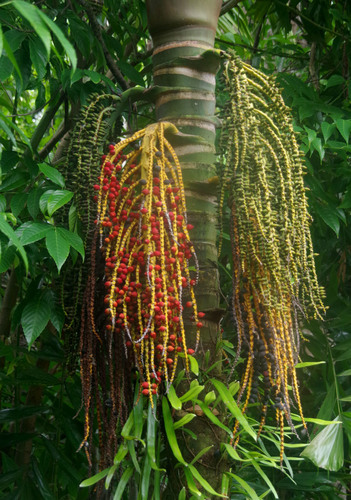
iNaturalist· cc-by-nc
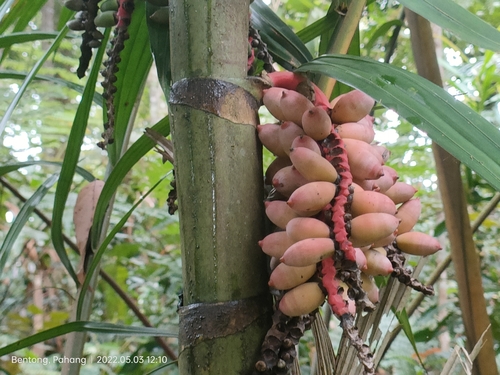
(c) Chris John Coyones Ladiana II, some rights reserved (CC BY-NC), uploaded by Chris John Coyones Ladiana II
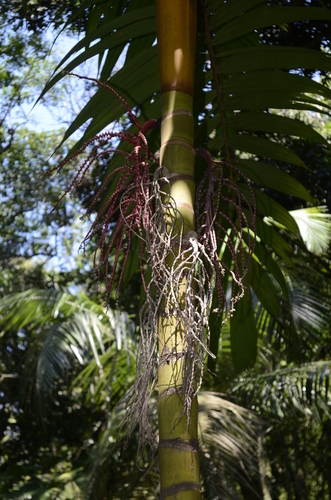
iNaturalist· cc-by-nc
(c) Chris John Coyones Ladiana II, some rights reserved (CC BY-NC)
Description
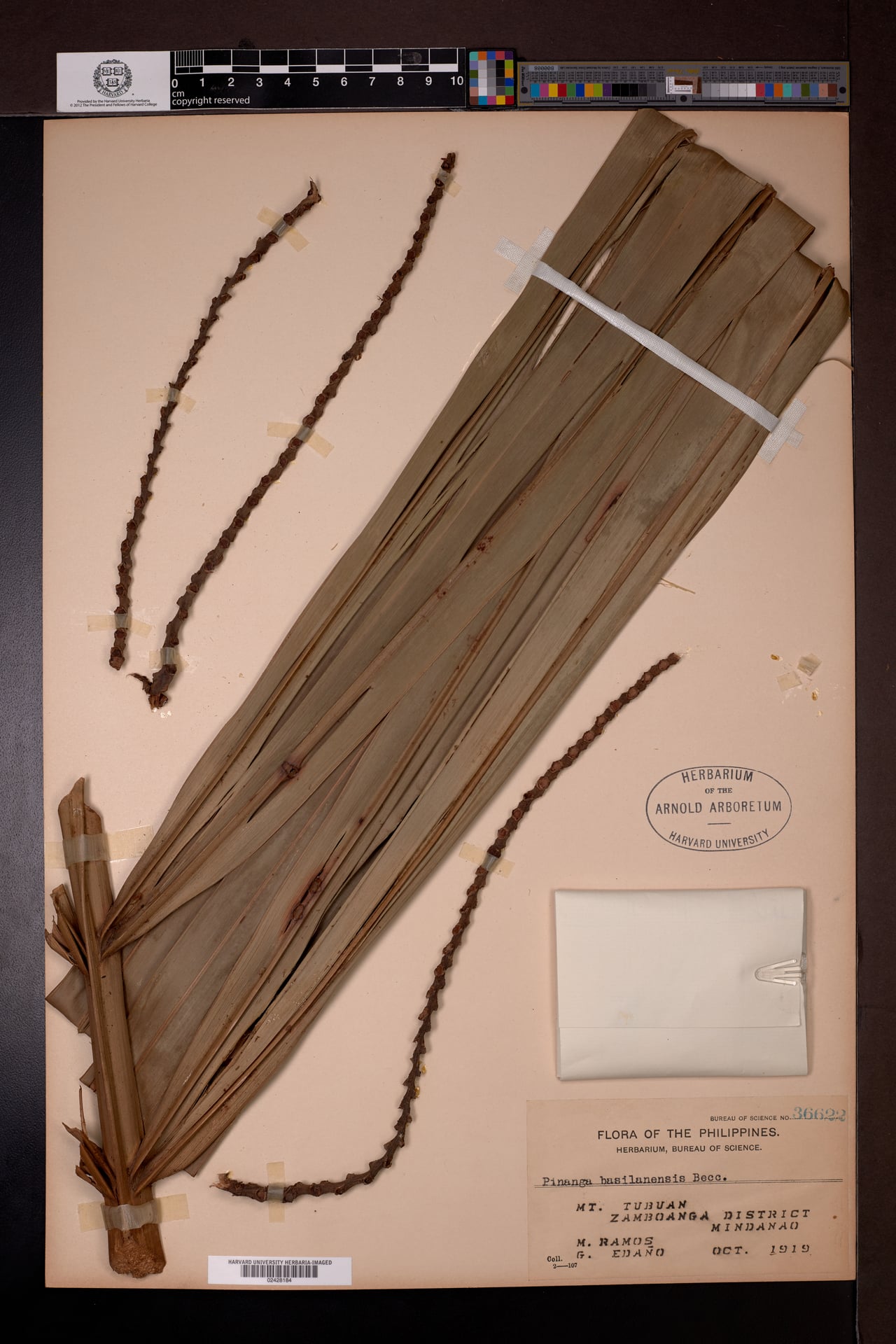
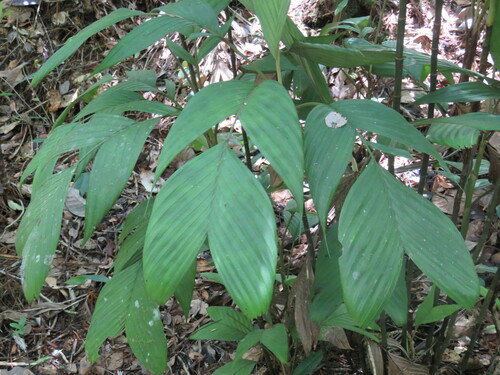
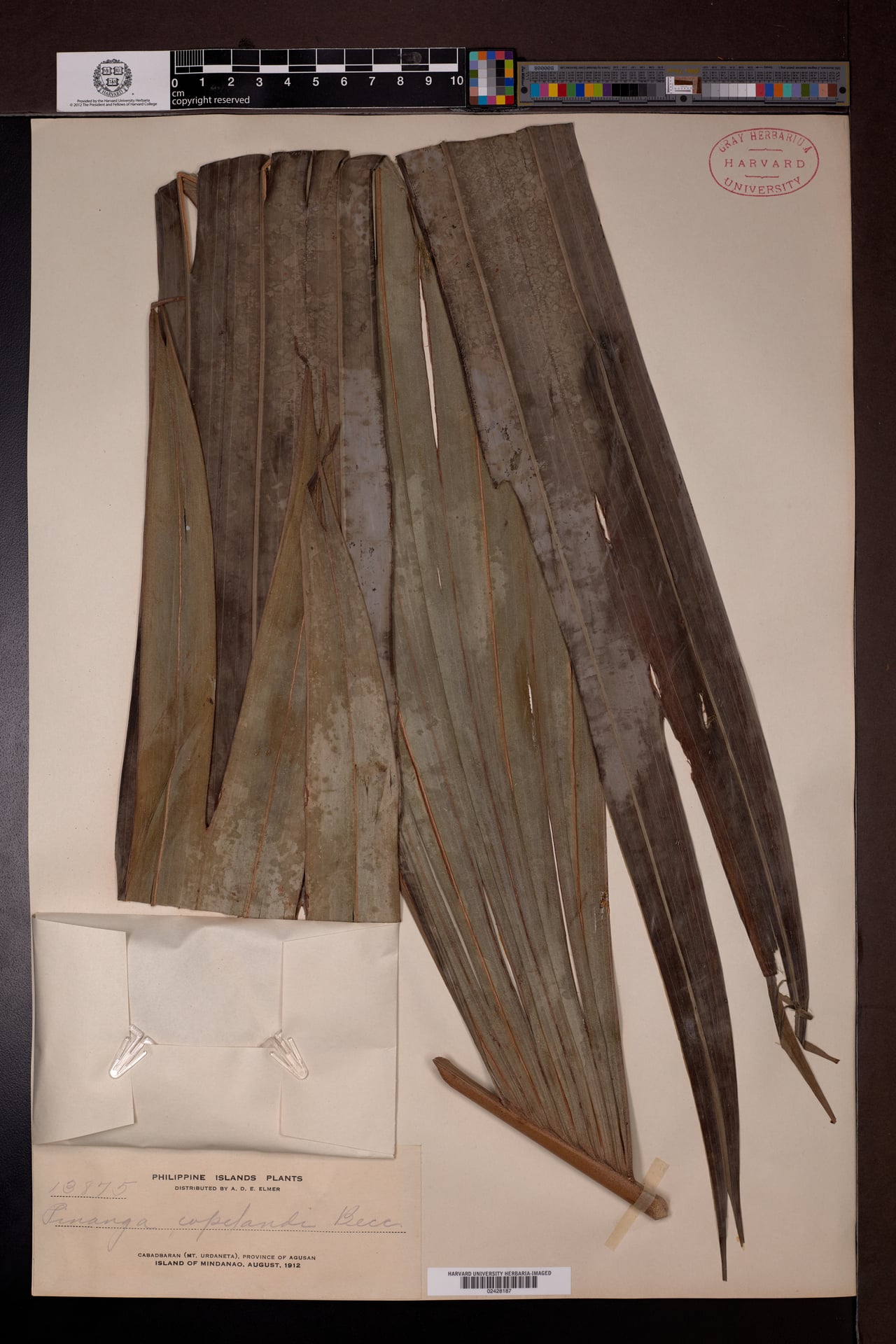
A small or medium sized palm with a stem 2 to 5 cm across. They have prominently stepped nodes. The crown-shaft in very conspicuous and pale coloured. It is swollen. The leaf sheaths are densely covered with greyish densely matted woolly hairs. The leaf segments are rather numerous, tapering to a point an usually 3-ribbed. They are relatively broad. The flower arrangement is a spike of flowers closely arranged around a central axis with a few scattered branches. The fruit is narrowly oval and 11 to 14 mm by 5 to 8 mm.
Edible Uses
The unopened bud is cooked and eaten as palm cabbage or heart.
Traditional Uses
The bud is cooked and eaten.
This uses section is brief — help expand it
Distribution
A tropical plant. They are common on exposed ridges in the mossy forests. They are also sometimes found in valleys at altitudes of 800 to 1800 m in the Philippines. It suits tropical places. In Cairns BG.
Where It Grows
Asia, Australia, Pacific, Philippines*, SE Asia,
Cultivation
Plants are grown from seed. Seed take 3-4 months to germinate.
References (8)
- Hibbert, M., 2002, The Aussie Plant Finder 2002, Florilegium. p 234
- Jones, D.L., 1994, Palms throughout the World. Smithtonian Institution, Washington. p 305
- Jones, D.L., 2000, Palms of Australia 3rd edition. Reed/New Holland. p 205
- Malesia 3:180. 1887
- Monsalud, M.R., Tongacan, A.L., Lopez, F.R., & Lagrimas, M.Q., 1966, Edible Wild Plants in Philippine Forests. Philippine Journal of Science. p 517
Show all 8 references Hide references
- Reis, S. V. and Lipp, F. L., 1982, New Plant Sources for Drugs and Foods from the New York Botanical Garden herbarium. Harvard. p 19
- Riffle, R.L. & Craft, P., 2003, An Encyclopedia of Cultivated Palms. Timber Press. p 415
- World Checklist of Useful Plant Species 2020. Royal Botanic Gardens, Kew