Picea glehnii
(F. Schmidt) Mast.
Sakhalin spruce
iNaturalist· cc-by-sa
(c) harum.koh, some rights reserved (CC BY-SA), uploaded by harum.koh
iNaturalist· cc-by-nc
(c) Keita Watanabe, some rights reserved (CC BY-NC)
Summary
Source: WikipediaPicea glehnii, the Sakhalin spruce or Glehn's spruce, is a species of conifer in the family Pinaceae. It was named after a Russian botanist, taxonomist, Sakhalin and Amur river regions explorer, geographer and hydrographer Peter von Glehn (1835—1876), the person who was the first to describe this conifer. In Japan people call this tree アカエゾマツ, which means "red spruce".
Description
An evergreen tree. It grows 15 m high and spreads 3 m wide. The stem is erect. The crown is cone shaped. The leaves are dark green rectangular needles. The cones hang down.
Edible Uses
Young male catkins can be eaten raw or cooked and used as a flavouring. Immature female cones are edible when cooked — the central portion becomes sweet and syrupy when roasted. The inner bark can be dried and ground into a powder for use as a soup thickener or bread additive, though it is an emergency food used only when nothing else is available. The seed is raw-edible but too small and fiddly to be worth collecting except in desperate circumstances. Young shoot tips make a refreshing tea that is rich in vitamin C.
Medicinal Uses
The young shoot tips provide a tea rich in vitamin C. No other medicinal uses are known.
Distribution
It is a temperate plant. It will grow in most soils. It does best in an open sunny position. It is resistant to frost but tender to drought. Arboretum Tasmania.
Where It Grows
Asia, Australia, Japan*, Tasmania,
Cultivation
It is grown from seed.
Propagation
Sow fresh seed in autumn in a cold frame to benefit from natural stratification, or sow stored seed as early in the year as possible under the same conditions. Light shade is preferable. Keep seed moist and cool during storage. Prick out seedlings into individual pots once large enough to handle and overwinter in a greenhouse or cold frame. Plant out into permanent positions in early summer the following year, or grow on in an outdoor nursery bed for a further season. Spring frost protection may be needed. Semi-ripe terminal shoot cuttings, 5–8cm long, taken in August in a frame, protected from frost, root in spring. Mature terminal shoot cuttings, 5–10cm long, taken September/October in a cold frame, take 12 months to root. Soft to semi-ripe wood cuttings taken in early summer in a frame are slow but reliable.
Other Uses
The wood is beautifully grained and used for pianos, violins, and building interiors. It is also valued in the pulp industry for paper production.
Notes
There are between 30 and 40 species of Picea.
References (2)
- Gard. Chron. ser. 2, 13:300. 1880
- Plants for a Future database, The Field, Penpol, Lostwithiel, Cornwall, PL22 0NG, UK. http://www.scs.leeds.ac.uk/pfaf/
More from Pinaceae
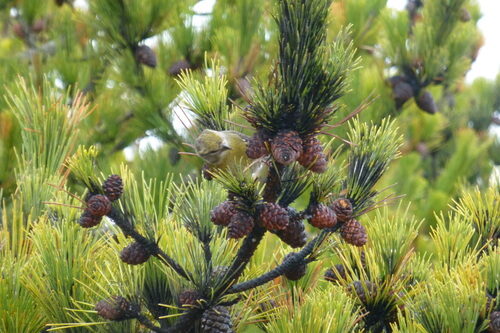
Pinus thunbergii
Japanese Black Pine
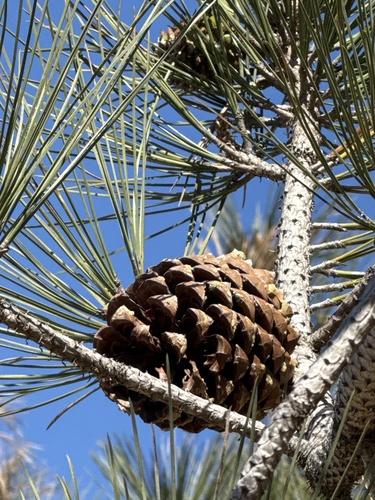
Pinus torreyana
Soledad Pine, Torrey Pine
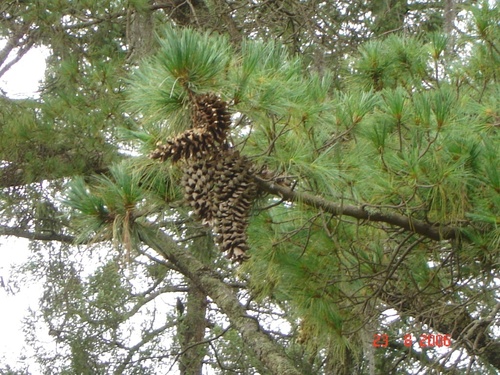
Pinus veitchii
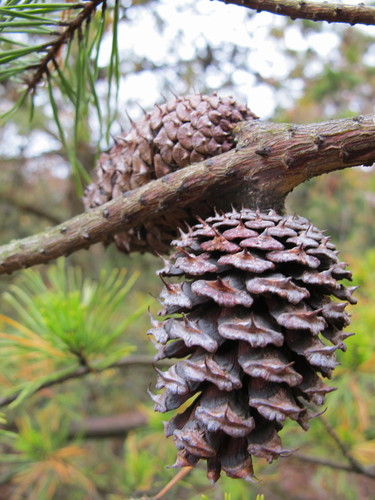
Pinus virginiana
Scrub pine, Ai song, Virginia pine
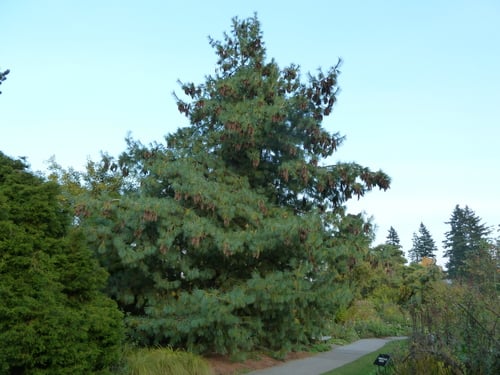
Pinus wallichiana
Himalayan blue pine, Bhutan pine, Blue Pine, Himalayan Pine, Qiao song, Kail, Yiro, Kaiar, Lim, Raisalla, Lamshing, Byans, Cheel, Dolchilla, Neet-kung, Tongschi, Lamshing
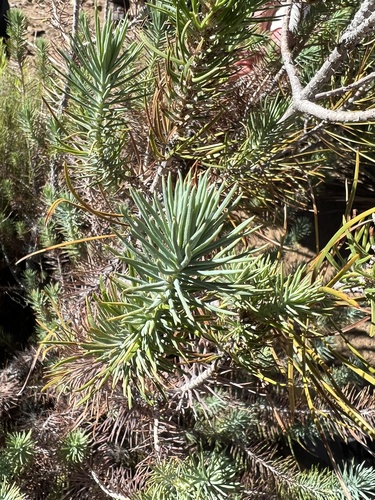
Pinus x quadrifolia
Parry pinyon