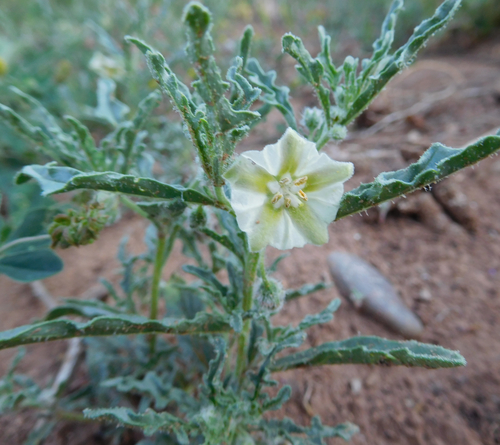
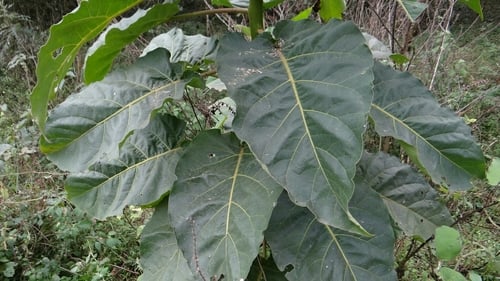
Physalis virginiana
Miller
Perennial Ground Cherry, Virginia ground cherry
iNaturalist· cc-by-nc
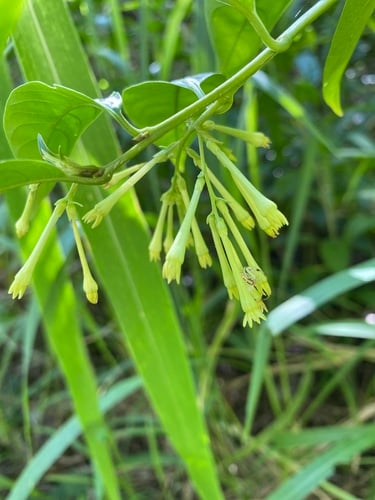
(c) Ashley Wold, some rights reserved (CC BY-NC), uploaded by Ashley Wold
iNaturalist· cc0
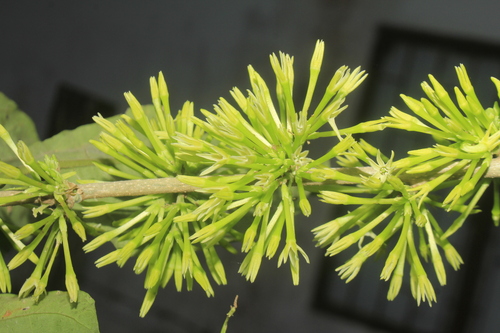
no rights reserved
iNaturalist· cc-by-nc
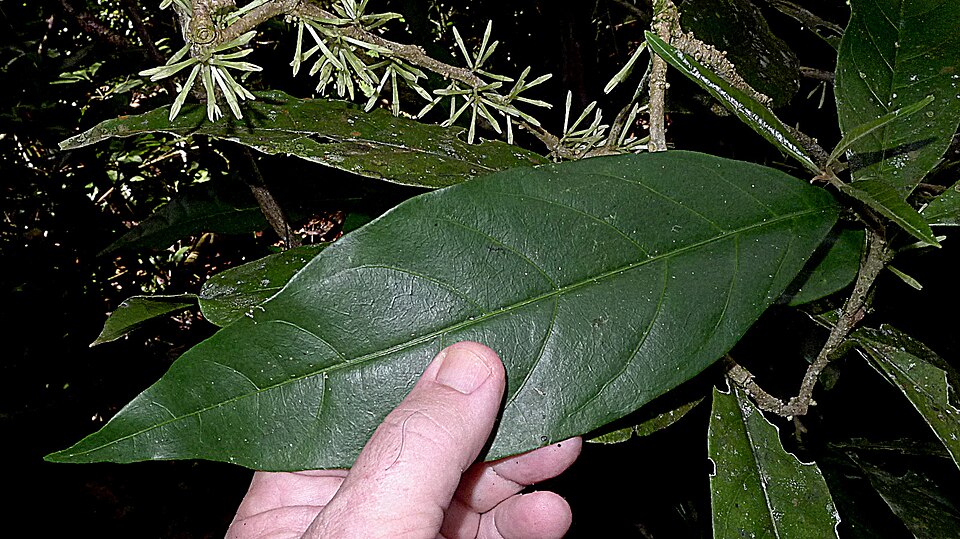
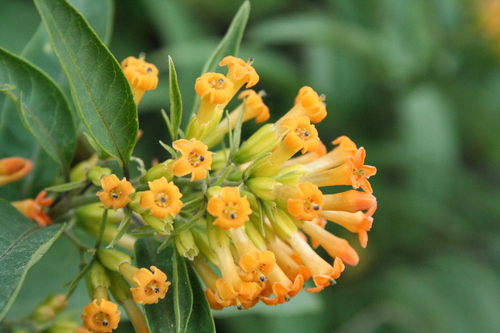
(c) Nate Martineau, some rights reserved (CC BY-NC), uploaded by Nate Martineau
Summary
Source: WikipediaPhysalis virginiana, the Virginia groundcherry, is a rhizomatous perennial with a deeply buried stem base. It is found mostly in eastern North America as far west as Wyoming.
Description
A low spreading plant. It grows 1.5 m tall. The leaves are entire and can have teeth. They are hairy. The fruit is a round berry with a papery husk. They are yellow when ripe.
Edible Uses
The fruit can be eaten raw or cooked and is at its best after a frost. Each fruit is naturally enclosed in a papery calyx that protects it from pests and the elements — this calyx is toxic and must not be eaten.
Traditional Uses
The fruit are eaten fresh especially after the first light frost.
This uses section is brief — help expand it
Medicinal Uses
Plant extracts have shown anticancer activity. An infusion of the whole plant has been used in the treatment of dizziness.
Known Hazards
Although no specific mention has been seen for this species, it belongs to a genus where many of the members have poisonous leaves and stems, though the full ripe fruits are usually edible.
Distribution
It is a temperate plant. It grows in drier, sandy sites.
Where It Grows
Australia, Canada, Mexico, North America, USA,
Cultivation
Succeeds in any well-drained soil in full sun or light shade. This plant has been growing successfully with us in Cornwall since 1990, though it is not setting fruit.
Propagation
Sow seed in March or April in a greenhouse, barely covering it. Germination is typically quick and prolific. Diurnal temperature fluctuations assist germination. Once large enough to handle, prick seedlings out into individual pots of fairly rich soil and plant out after the last expected frosts, with cloche protection until established. Division in spring is very straightforward — larger divisions can go directly into permanent positions, while smaller ones are better potted up and grown on in light shade in a cold frame until well established before planting out in late spring or early summer. For basal cuttings in early summer, harvest shoots with plenty of underground stem when they reach about 8–10cm above ground, pot into individual pots, and keep in light shade in a cold frame or greenhouse until rooting well before planting out in summer.
Other Uses
Miscellany None known Special Uses
Notes
There are about 75-100 Physalis species.
References (9)
- Beckstrom-Sternberg, Stephen M., and James A. Duke. "The Foodplant Database." http://probe.nalusda.gov:8300/cgi-bin/browse/foodplantdb.(ACEDB version 4.0 - data version July 1994)
- Fisk, J. R. & Hoover, E., 2015, Wild Fruits of Minnesota. A Field Guide. University of Minnesota p 27
- Gard. dict. ed. 8: Physalis no. 4. 1768
- Hedrick, U.P., 1919, (Ed.), Sturtevant's edible plants of the world. p 493
- Kermath, B. M., et al, 2014, Food Plants in the Americas: A survey of the domesticated, cultivated and wild plants used for Human food in North, Central and South America and the Caribbean. On line draft. p 652
Show all 9 references Hide references
- Lazarides, M. & Hince, B., 1993, Handbook of Economic Plants of Australia, CSIRO. p 189
- Low, T., 1991, Wild Herbs of Australia and New Zealand. Angus & Robertson. p 100
- Moerman, D. F., 2010, Native American Ethnobotany. Timber Press. p 396
- Plants for a Future database, The Field, Penpol, Lostwithiel, Cornwall, PL22 0NG, UK. http://www.scs.leeds.ac.uk/pfaf/