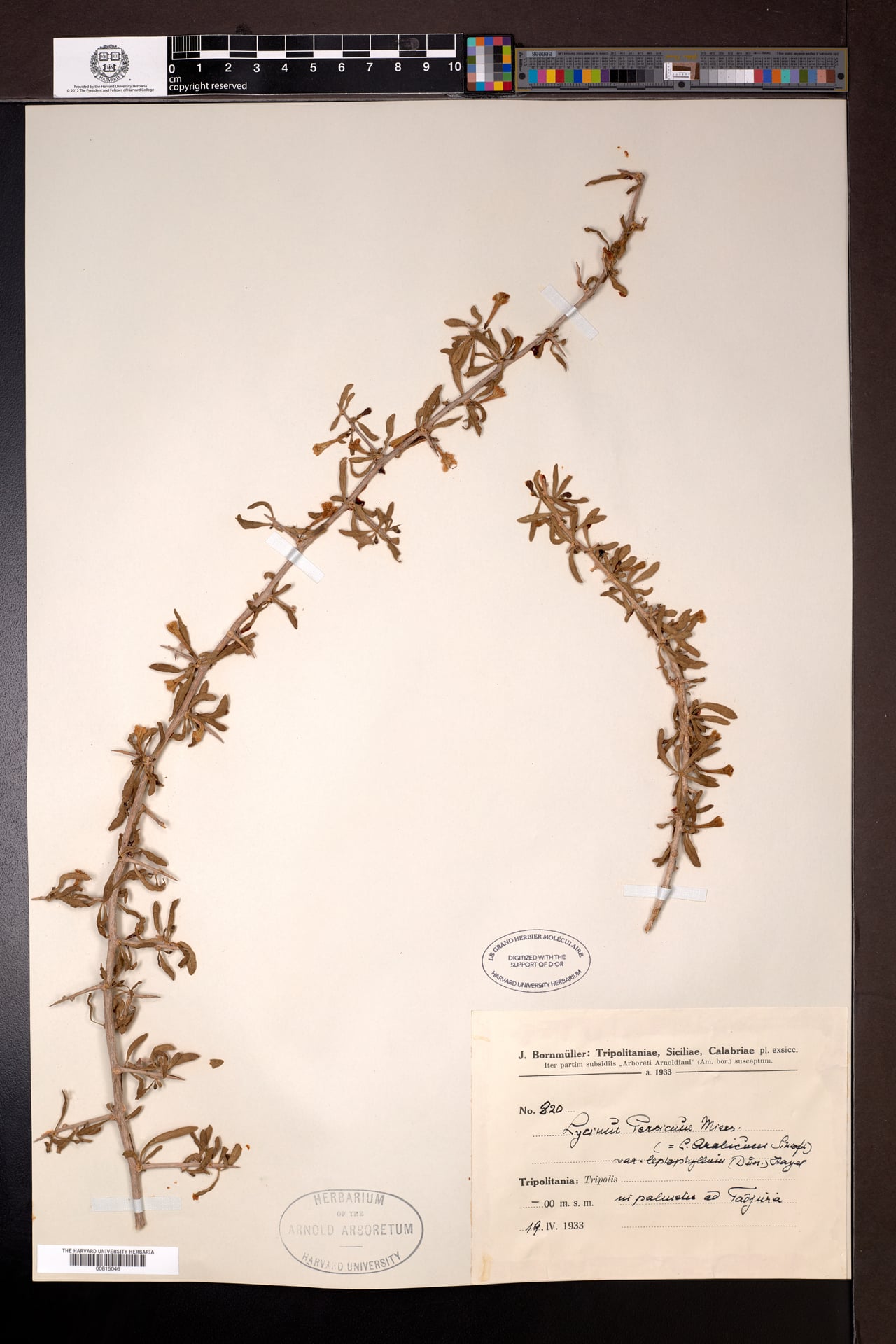
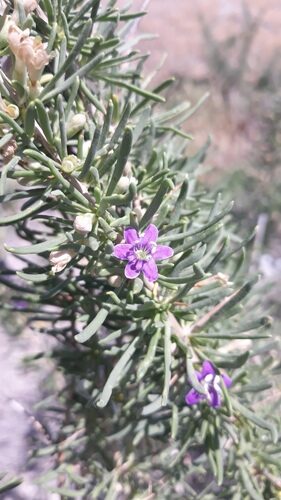
Cyphomandra sibundoyensis
Bohs
wikimedia· cc-by-sa
Wikimedia Commons - Cyphomandra
wikimedia· cc-by-sa
Wikimedia Commons - Cyphomandra
gbif· cc-by-nc
Field Museum of Natural History - Botany Department | NSF/Mellon - GPI
Description
A tall tamarillo relative. It is a small tree. It grows 4-8 m tall. The fruit are large and have white flesh. They are 6-10 cm long and 6-7 cm wide. They are yellow or orange when ripe. The seeds are purple. They are 6-9 mm long.
Edible Uses
The fruit is eaten.
Medicinal Uses
The fruits are edible and have a pleasant acidulous taste. The plant produces some of the largest fruits known in section Pachyphylla. The fruit pulp of some trees is sweet, juicy, and pleasant-tasting, and in others it is acidulous, and without any sweetness. A purplish layer of soft pulp surrounds the seeds. Fruits ripen slowly, but once ripe their shelf life is longer than that of the tamarillo. Although a good candidate for trial as a fruit crop, it may be difficult to successfully cultivate this species outside the specialized climate of southern Colombia where it is native. In New Zealand, it was noted that trees cultivated in semi-shade set large crops of fruit, but plants grown in full sun performed very poorly. The trees were somewhat subject to branch die-back on fruiting branches. Historically, the fruit has been used to make black, blue, or yellow dye by the natives of the Sibundoy Valley of southern Colombia. Some sources show that the placenta of the fruit may be used as a cure for intestinal worms. Schultes and Raffauf (1990) report that the Kamsá Indians of the Sibundoy Valley (southwestern Colombia) use a decoction of the leaves for this purpose.
Distribution
A tropical plant. It does well in the shade. In Columbia it grows in cloud forests between 1,400-2,300 m altitude.
Where It Grows
Colombia, South America,
Notes
There are about 30 Cyphomandra species.
Synonyms
References (4)
- Bohs, L., 1989, Ethnobotany of the Genus Cyphomandra (Solanaceae). Economic Botany 43(2) pp. 143-163
- Bohs, L., 1994, Cyphomandra (Solanaceae): Flora Neotropica, Vol. 63, pp. 134
- Syst. Bot. 13:273. 1988
- USDA, ARS, National Genetic Resources Program. Germplasm Resources Information Network - (GRIN). [Online Database] National Germplasm Resources Laboratory, Beltsville, Maryland. Available: www.ars-grin.gov/cgi-bin/npgs/html/econ.pl (10 April 2000)