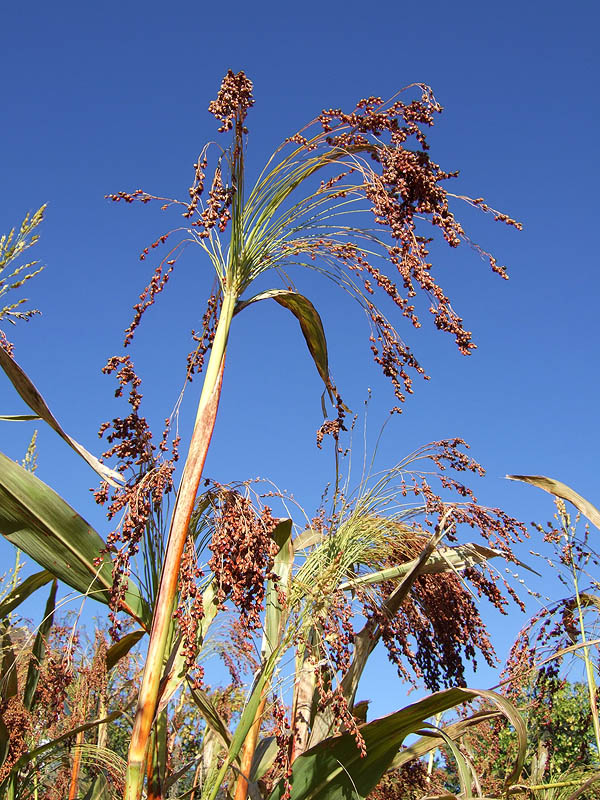
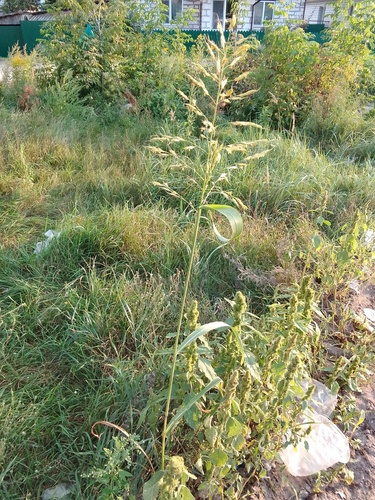
Phyllostachys dulcis
McClure
Sweet shoot bamboo
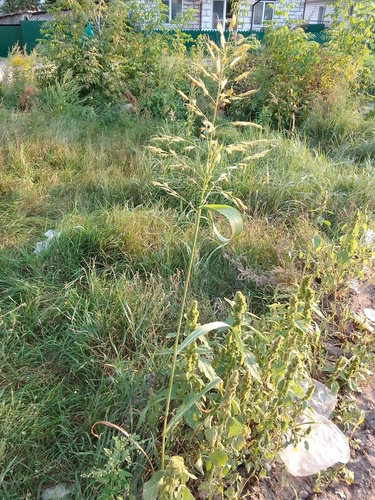
iNaturalist· cc-by-sa
(c) Peter Chadzidocev, some rights reserved (CC BY-SA)
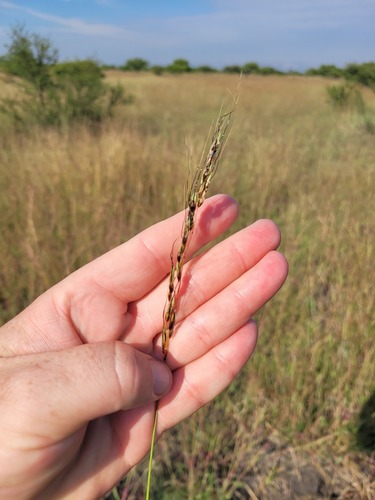
iNaturalist· cc-by-sa
(c) Photo by David J. Stang, some rights reserved (CC BY-SA)
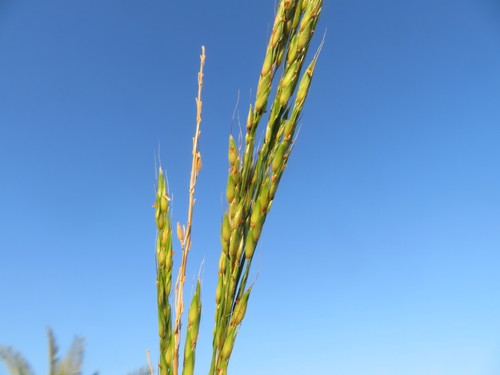
iNaturalist· cc-by-sa
(c) Photo by David J. Stang, some rights reserved (CC BY-SA)
Summary
Source: WikipediaPhyllostachys dulcis is a species of bamboo found in Fujian, Jiangsu, Zhejiang provinces of China. This species is cultivated for its edible shoots.
Description
A vigourous bamboo. A running bamboo. It grows 8-12 m high and spreads 9-12 m wide. The culms are green and arch. They can be 8 cm thick. The internodes are compact and the nodes can be thicker on the leaning face.
Edible Uses
The young shoots are completely free of acridity and make excellent eating either raw or cooked. They are used in salads, soups, stews, and similar dishes, and are regarded as one of the most highly esteemed edible bamboos in China. Shoots measure 4–6cm in diameter and are harvested in spring when about 8cm above ground, cut around 5cm below soil level.
Traditional Uses
The new shoots are cooked and eaten. They are used in salads, soups, stews and stir-fried dishes. They can also be canned, salted or pickled.
This uses section is brief — help expand it
Medicinal Uses
None known.
Distribution
It is a warm temperate plant. It suits hardiness zones 7-10.
Where It Grows
Asia, Australia, China*, USA,
Cultivation
Requires a rich damp soil in a sheltered position. Dislikes drought. A fairly hardy species, but it dislikes prolonged exposure to hard frosts. One report says that it tolerates temperatures down to about -10°c, down to -20°c in another report, though this report also says that this species does not like growing in areas with frequent low temperatures. This species is notably resistant to honey fungus. Plants only flower at intervals of many years. When they do come into flower most of the plants energies are directed into producing seed and consequently the plant is severely weakened. They sometimes die after flowering, but if left alone they will usually recover though they will look very poorly for a few years. If fed with artificial NPK fertilizers at this time the plants are more likely to die. The new growth emerges in early spring. This is a good companion species to grow in a woodland because the plants are shallow rooted and do not compete with deep rooted trees. Cultivated in China for its edible young shoots. An evergreen.
Propagation
Surface sow fresh seed in a greenhouse at around 20°C, keeping the compost consistently moist. Germination is usually fairly quick with good-quality seed, though it may take 3–6 months. Grow seedlings in light shade under glass until large enough to plant out. Seed is rarely available. Divide clumps in spring as new growth begins — divisions from open ground transplant poorly and should be potted and kept under cover until at least late spring. Carry out division during wet weather; small divisions establish more reliably than large clumps. Alternatively, large divisions can be lifted and moved directly to their permanent positions if misted or drenched frequently until established. Basal cane cuttings can also be taken in spring.
Other Uses
The canes can be used for industrial purposes, though they are weaker than those of many other species in the genus. The culms are used as handles for farm tools.
Other Information
It is a commercially cultivated vegetable. It is highly esteemed with excellent cooking quality.
Notes
There are about 80 Phyllostachys species.
Also Known As
Pah koh poo chi
References (16)
- Arora, R. K., 2014, Diversity in Underutilized Plant Species - An Asia-Pacific Perspective. Bioversity International. p 44
- Crawford, M., 2012, How to grow Perennial Vegetables. Green Books. p 75
- Creasy, R., 2000, The Edible Asian Garden. Periplus p 22
- Cundall, P., (ed.), 2004, Gardening Australia: flora: the gardener's bible. ABC Books. p 1036
- Facciola, S., 1998, Cornucopia 2: a Source Book of Edible Plants. Kampong Publications, p 46
Show all 16 references Hide references
- Herklots,
- Hibbert, M., 2002, The Aussie Plant Finder 2002, Florilegium. p 232
- Hu, Shiu-ying, 2005, Food Plants of China. The Chinese University Press. p 294
- Jackes, D. A., Edible Forest Gardens
- J. Wash. Acad. Sci. 35:285. 1945
- Kays, S. J., and Dias, J. C. S., 1995, Common Names of Commercially Cultivated Vegetables of the World in 15 languages. Economic Botany, Vol. 49, No. 2, pp. 115-152
- USDA, ARS, National Genetic Resources Program. Germplasm Resources Information Network - (GRIN). [Online Database] National Germplasm Resources Laboratory, Beltsville, Maryland. Available: www.ars-grin.gov/cgi-bin/npgs/html/econ.pl (10 April 2000)
- Wiersema, J. H. & Leon, B., 2013, World Economic Plants. A Standard Reference CRC Press. 2nd Ed. p 522
- Woodward, P., 2000, Asian Herbs and Vegetables. Hyland House. p 27
- World Checklist of Useful Plant Species 2020. Royal Botanic Gardens, Kew
- Paspalum distichum