Glyceria borealis
(Nash.)Batch.
Northern Mannagrass
wikimedia· cc0
Robert H. Mohlenbrock. USDA NRCS. 1992. Western wetland flora: Field office guide to plant species. West Region, Sacramento. Courtesy of USDA NRCS Wetland Science Institute. (via Wikimedia Commons)
gbif· cc-by-nc
Maya Frederickson
iNaturalist· cc-by
(c) Trevor Van Loon, some rights reserved (CC BY), uploaded by Trevor Van Loon
iNaturalist· cc-by
(c) Matt Lavin, some rights reserved (CC BY)
iNaturalist· cc-by
(c) Matt Lavin, some rights reserved (CC BY)
iNaturalist· cc-by
(c) Matt Lavin, some rights reserved (CC BY)
Summary
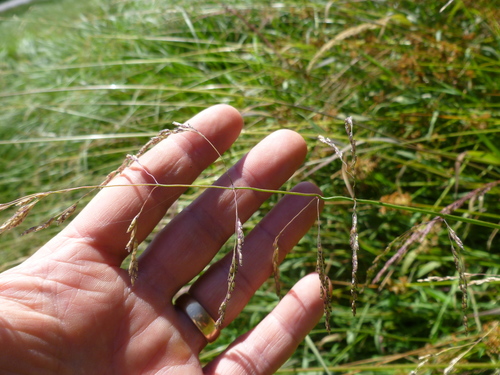
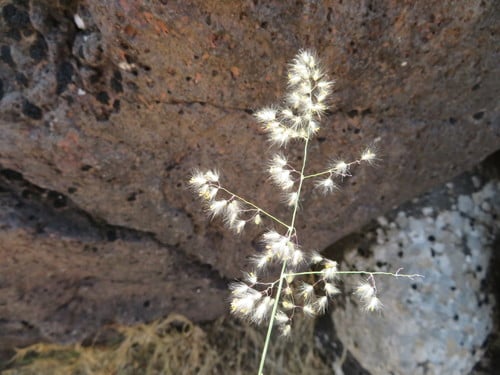
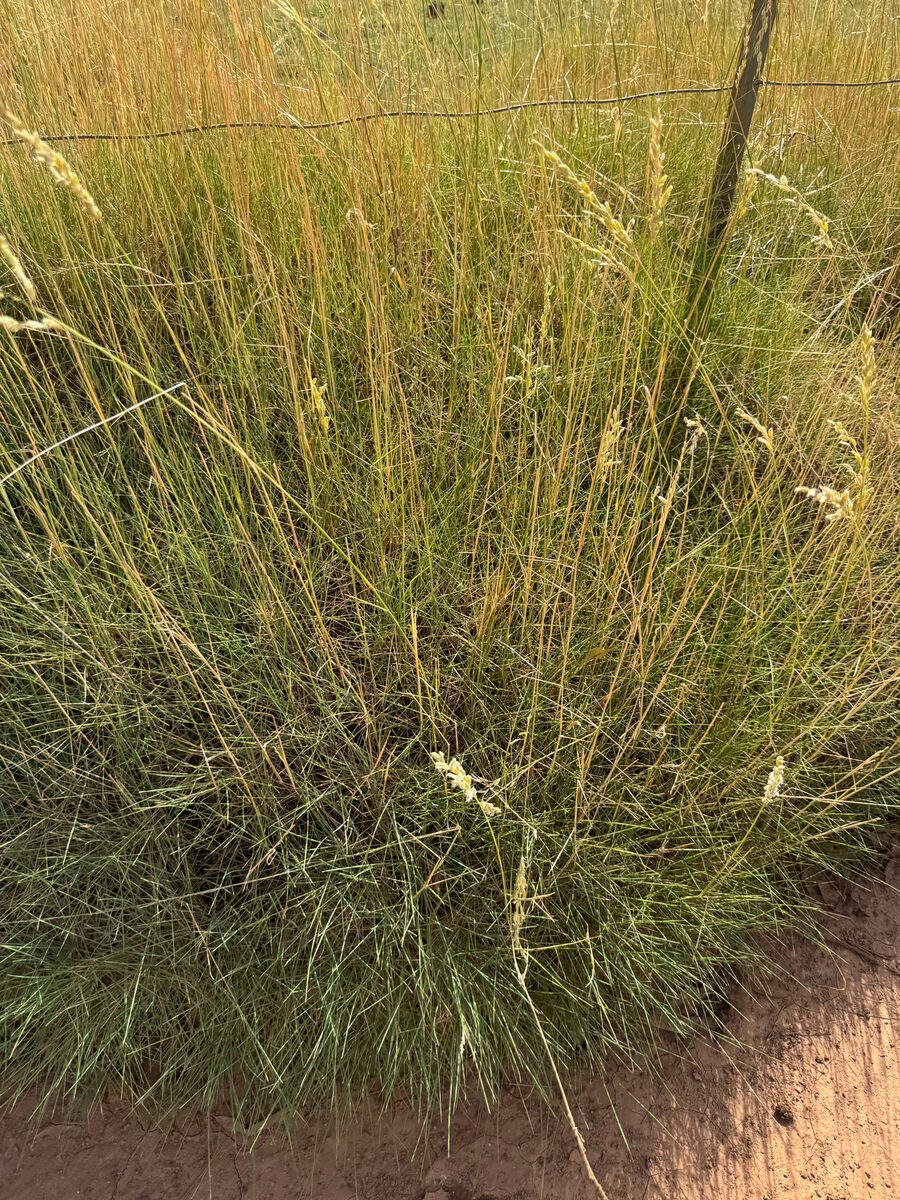
Source: WikipediaGlyceria borealis is a species of Glyceria known by the common names northern mannagrass, boreal mannagrass, and small floating mannagrass. It is native to much of the northern half of North America, where it has a widespread distribution. This semiaquatic plant grows in wet areas in mountain forests, often in the water. It grows a tall and very thin stem often exceeding a meter in height when erect. It may bend, lie flat on the ground, or float in the water of ponds and streams. The leaves bear ligules up to a centimeter long. The narrow, long inflorescence has cylindrical spikelets one to two centimeters long, each made up of 6 to 11 florets with membranous margins.
Description
A perennial grass reaching 1.5 m tall with hermaphrodite flowers pollinated by wind. Grows in light sandy, medium loamy, or heavy clay soils across a range of pH levels from mildly acidic to mildly alkaline. Tolerates semi-shade and full sun, preferring consistently wet soil and capable of growing in water.
Edible Uses
The seeds can be ground into flour and used as a cereal. The seed is very small and fiddly to harvest.
Medicinal Uses
None known
Distribution
It is a temperate plant.
Where It Grows
North America, USA,
Propagation
Sow seed in spring in a greenhouse in a pot standing in 3–5cm of water, surface-sowing or barely covering the seed. Germination should occur within 3 weeks. Prick seedlings into individual pots when large enough to handle and plant out in early summer. Division in spring is also straightforward; larger clumps can be replanted directly into permanent positions, though smaller clumps are better potted up and grown on in a cold frame until rooting well before planting out in spring.
Other Uses
None known
Synonyms
References (2)
- Beckstrom-Sternberg, Stephen M., and James A. Duke. "The Foodplant Database." http://probe.nalusda.gov:8300/cgi-bin/browse/foodplantdb.(ACEDB version 4.0 - data version July 1994) (As Panicularia borealis)
- Plants for a Future database, The Field, Penpol, Lostwithiel, Cornwall, PL22 0NG, UK. http://www.scs.leeds.ac.uk/pfaf/