Phlomis tuberosa
L.
Tuberous Jerusalem Sage, Tuberous phlomis, Tuberous sage
iNaturalist· cc-by-nc
(c) davhof, some rights reserved (CC BY-NC)
iNaturalist· cc-by
(c) Мария Стрельникова, some rights reserved (CC BY)
iNaturalist· cc-by
(c) Мария Стрельникова, some rights reserved (CC BY)
Summary
Phlomis tuberosa is a perennial reaching 1.5 m tall and 1 m wide. Hardy to UK zone 6, it flowers July to August and is hermaphroditic and insect-pollinated. The plant requires full sun and grows well in light sandy, medium loamy, and heavy clay soils with good drainage. It tolerates mildly acidic, neutral, and basic pH levels, preferring dry or moist soil but not thriving in shade.
Description
A herb which keeps growing from year to year. It is tall and hairy. It grows 0.9-1.8 m high. The root has small tubers. The leaves are oval or heart shaped and scalloped along the edge. They can be 25 cm long. There are 14-40 flowers in a flower spike 30 cm long. The flowers are purple or pink.
Edible Uses
The roots are edible cooked. They are rich in starch but have a somewhat bitter flavour.
Traditional Uses
The roots are eaten cooked.
This uses section is brief — help expand it
Medicinal Uses
No medicinal uses are known for this plant.
Distribution
It is a temperate plant. It grows in wet grasslands and valleys between 1,200-2,100 m above sea level. It suits hardiness zones 6-10.
Where It Grows
Asia, Australia, Central Asia, Europe, Greece, Kazakhstan, Kyrgyzstan, Mediterranean, Mongolia, Russia, Siberia, Slovenia, Tasmania, Yugoslavia,
Cultivation
Requires a well-drained soil in full sun with shelter from cold winds. Hardy to at least -15°c, if the top growth is killed back by the cold the plants will usually regrow. Another report says that it is hardy to about -25°c but is totally deciduous in the winter.
Propagation
Sow seed in spring in a greenhouse, barely covering it; it germinates quickly. Prick seedlings into individual pots when large enough to handle and grow them on in a greenhouse for their first year, then plant out in early summer. The tubers can be divided in spring or autumn, taking care not to damage them. Tubers divided in autumn are best stored in a cool but frost-free place over winter and planted out in spring; spring divisions can go straight into their permanent positions.
Other Uses
No other uses are known for this plant.
Notes
There are about 100 Phlomis species.
Also Known As
Bodman sok
References (12)
- Blamey, M and Grey-Wilson, C., 2005, Wild flowers of the Mediterranean. A & C Black London. p 393
- Cundall, P., (ed.), 2004, Gardening Australia: flora: the gardener's bible. ABC Books. p 1028
- Facciola, S., 1998, Cornucopia 2: a Source Book of Edible Plants. Kampong Publications, p 133
- Hedrick, U.P., 1919, (Ed.), Sturtevant's edible plants of the world. p 487
- Hibbert, M., 2002, The Aussie Plant Finder 2002, Florilegium. p 230
Show all 12 references Hide references
- https://en.wikipedia.org/wiki/List of wild edible plants in Mongolian cuisine
- http://www.botanic-gardens-ljubljana.com/en/plants
- Lawton, B.P., 2002, Mints. A Family of Herbs and Ornamentals. Timber Press, Portland, Oregon. p 172
- Lim, T. K., 2015, Edible Medicinal and Non Medicinal Plants. Volume 9, Modified Stems, Roots, Bulbs. Springer p 65
- Plants for a Future database, The Field, Penpol, Lostwithiel, Cornwall, PL22 0NG, UK. http://www.scs.leeds.ac.uk/pfaf/
- Sp. pl. 2:586. 1753
- Urgamal, M., Oyuntsetseg, B., Nyambayar, D. & Dulamsuren, Ch. 2014. Conspectus of the vascular plants of Mongolia. (Editors: Sanchir, Ch. & Jamsran, Ts.). Ulaanbaatar, Mongolia. “Admon“ Press. 334pp. (p. 79-90).
More from Lamiaceae
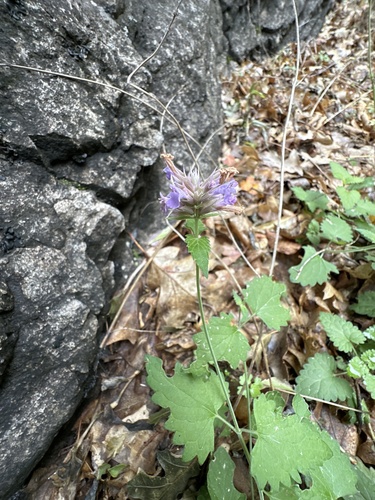
Agastache neomexicana
New Mexico giant hyssop
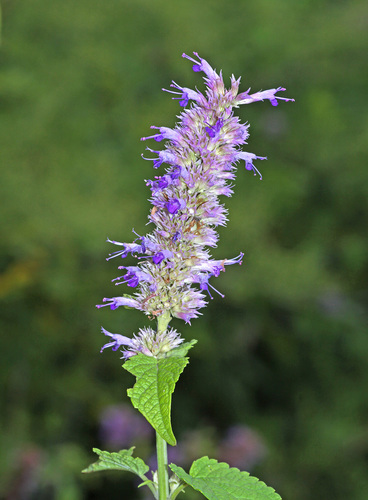
Agastache rugosa
Korean mint, Wrinkled great hyssop
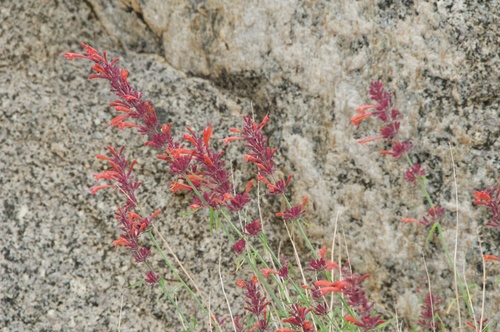
Agastache rupestris
Horse mint
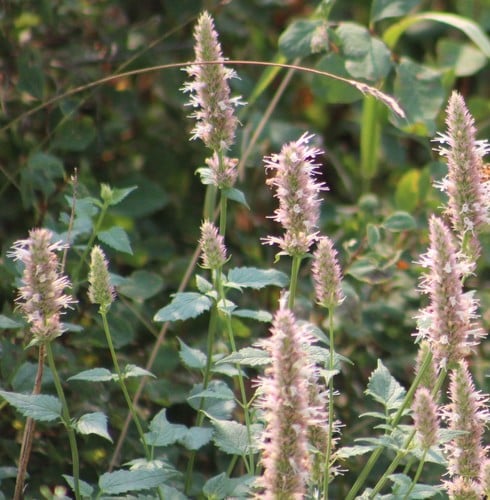
Agastache urticifolia
Giant Hyssop, Horsemint, Nettle-leaf Giant-hyssop, Nettleleaf Giant Hyssop, Sawtooth mountain mint
Agastache wrightii
Wright's horse mint
Ajuga graecorum