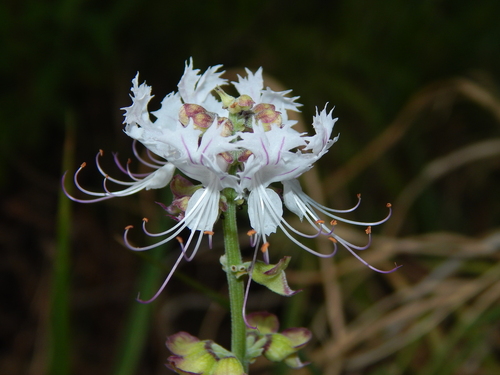
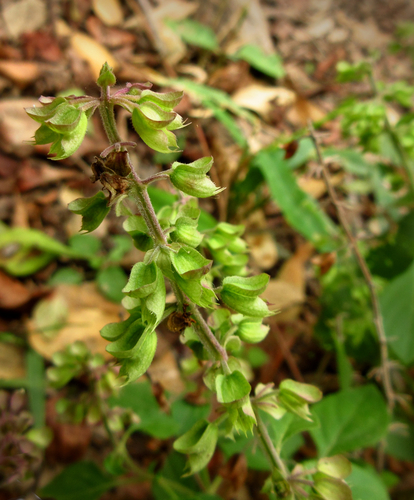
Agastache neomexicana
(Briq.) Standl.
New Mexico giant hyssop
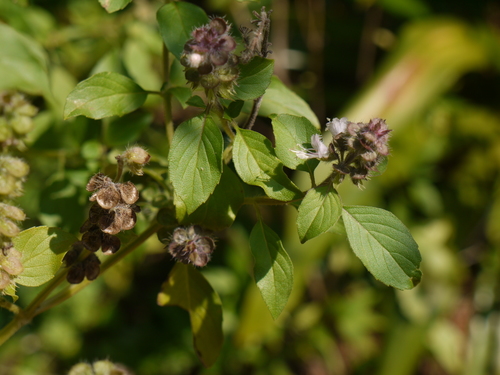
iNaturalist· cc-by-nc
(c) debm, some rights reserved (CC BY-NC)
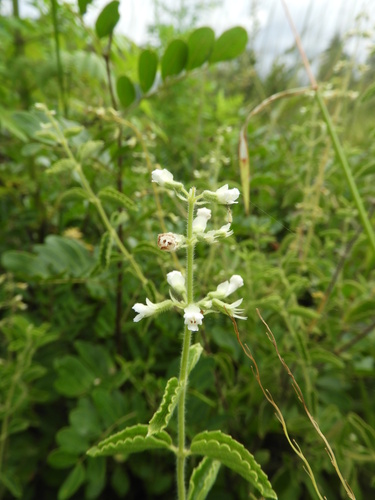
iNaturalist· cc-by-nc
(c) debm, some rights reserved (CC BY-NC)
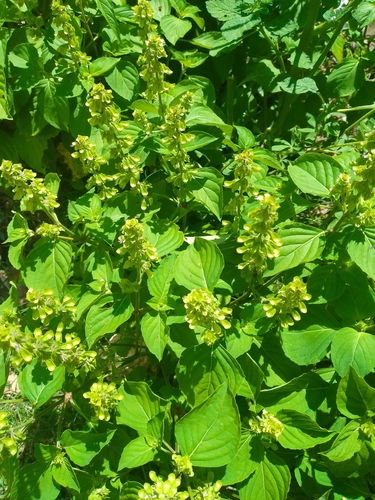
iNaturalist· cc-by-nc
(c) Radha Veach, some rights reserved (CC BY-NC)
Summary
Source: WikipediaPerennial reaching 1.2 m tall, growing at medium rate. Flowers in August with seeds ripening in September. Hermaphroditic and self-fertile, pollinated by bees. Hardy to UK zone 8. Requires full sun and well-drained soil; suits light sandy to medium loamy soils with mildly acid to basic pH. Tolerates dry or moist conditions. Attracts wildlife.
Description
Perennial reaching 1.2 m tall, growing at medium rate. Flowers in August with seeds ripening in September. Hermaphroditic and self-fertile, pollinated by bees. Hardy to UK zone 8. Requires full sun and well-drained soil; suits light sandy to medium loamy soils with mildly acid to basic pH. Tolerates dry or moist conditions. Attracts wildlife.
Edible Uses
The highly aromatic young leaves can be used as a flavouring in cooked dishes or brewed into a herbal tea. Fresh leaves and flowers are also edible raw in salads, with a mild, mint-like flavour similar to nettleleaf horsemint (A. urticifolia). The seeds are not widely documented as edible, but trials suggest they can be eaten after cooking. Boiling produces the best results: the seeds taste starchy with a slight bitterness, and the bran-like seed coats eventually soften. Toasting gives a less pleasant outcome, adding a burnt flavour without reducing bitterness. Boiled seeds are palatable and nourishing, and processing is relatively straightforward as the chaff separates easily.
Traditional Uses
The young leaves are used as flavouring. The leaves can be used to make a herbal tea.
This uses section is brief — help expand it
Medicinal Uses
The dried and pulverized root has been used as a dusting powder for sores and cankers. The plant has also been used in the treatment of fevers and bad coughs.
Distribution
It is a temperate plant.
Where It Grows
North America, USA,
Cultivation
Plants can be grown from seed. They should just be covered with soil and germinate in 1-3 months at 13°C. They should be grown in the nursery for the first year. Plants can also be grown by dividing clumps and can be grown from basal cuttings. These root in 3 weeks.
Propagation
Sow seed in spring in a greenhouse, barely covering it. Germination typically takes 1–3 months at 13°C. Prick seedlings into individual pots once large enough to handle and grow on under glass for the first year, then plant out in late spring or early summer. Division in spring is straightforward — large divisions can go straight into their permanent positions. For basal cuttings, harvest young shoots at around 10–15cm tall in spring, pot them in a lightly shaded greenhouse, and they should root within 3 weeks, ready to plant out in summer or the following spring.
Other Uses
New Mexico Giant Hyssop is a useful addition to pollinator gardens and can enhance biodiversity in agroecosystems, doubling as a companion plant to attract beneficial insects. Its aromatic flowers are rich in nectar and pollen, attracting bees, butterflies, and other pollinators. The leaves provide some cover and habitat for small wildlife, though the plant does not serve as a significant nesting site. Dense foliage can offer shelter and potential overwintering sites for beneficial invertebrates. The strongly minty, aromatic foliage may also help confuse or repel certain pest insects.
Notes
There are about 20-30 Agastache species.
Synonyms
References (4)
- Beckstrom-Sternberg, Stephen M., and James A. Duke. "The Foodplant Database." http://probe.nalusda.gov:8300/cgi-bin/browse/foodplantdb.(ACEDB version 4.0 - data version July 1994)
- Bircher, A. G. & Bircher, W. H., 2000, Encyclopedia of Fruit Trees and Edible Flowering Plants in Egypt and the Subtropics. AUC Press. p 12
- Facciola, S., 1998, Cornucopia 2: a Source Book of Edible Plants. Kampong Publications, p 125
- Plants for a Future database, The Field, Penpol, Lostwithiel, Cornwall, PL22 0NG, UK. http://www.scs.leeds.ac.uk/pfaf/