Phlogacanthus thyrsiflorus
(Roxb. ex Hardw.) Nees
Nongmangkha
wikimedia· cc-by-sa
Wikimedia Commons - Ajtjohnsingh
Description
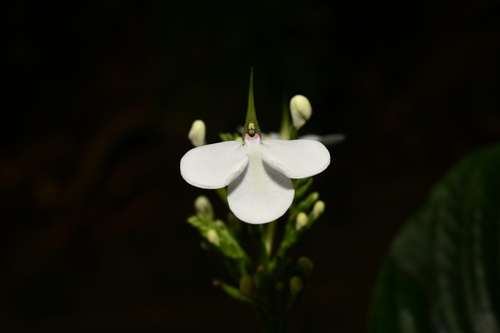
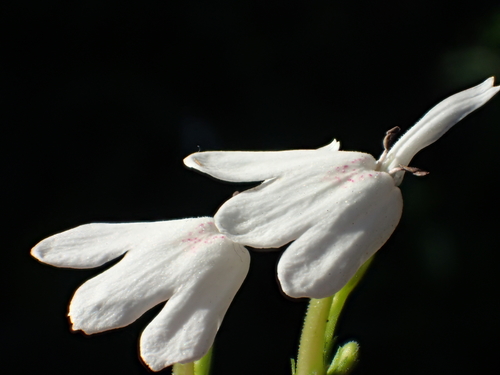
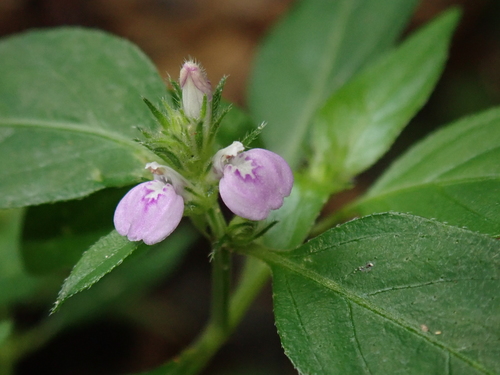
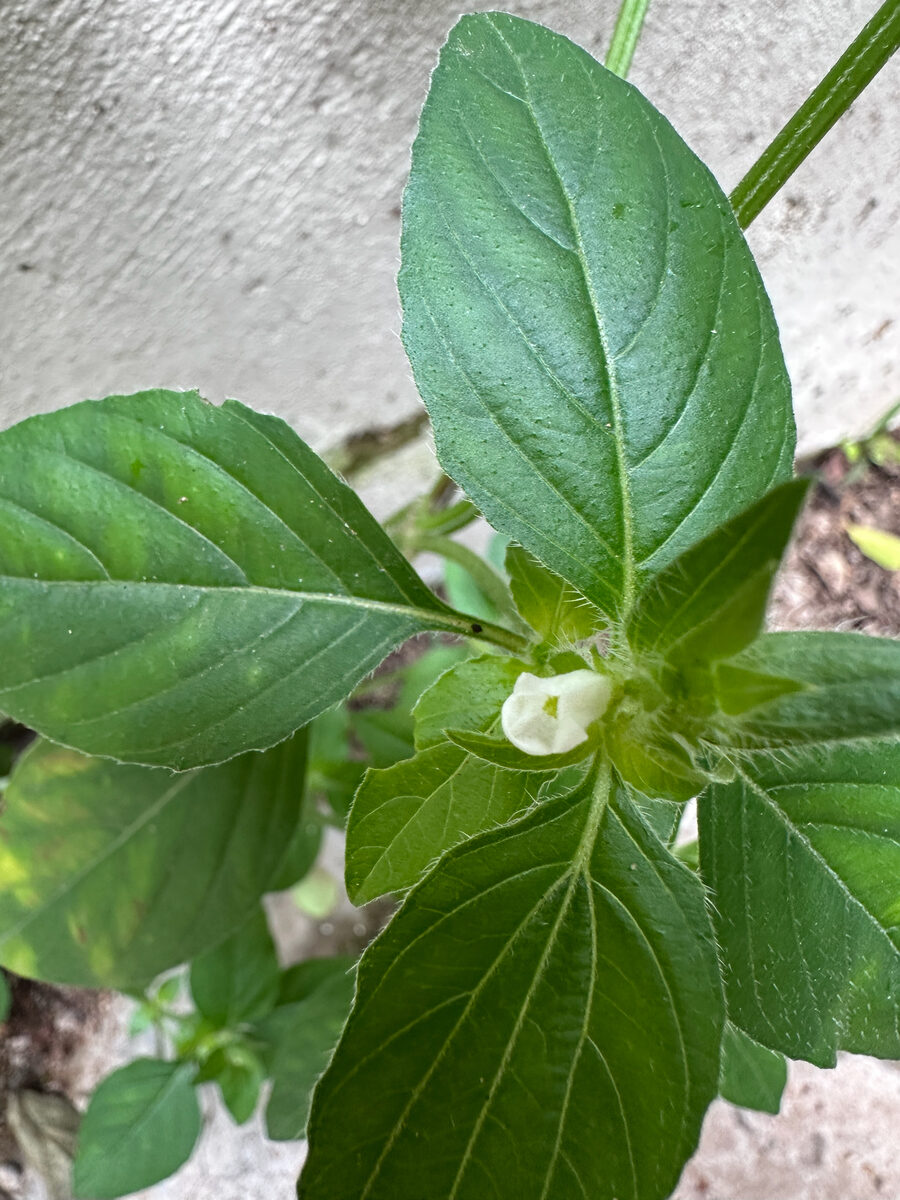
A shrub. It grows to 2 m high. The branches are 4 angled. The leaves have stalks. The leaves are 15-20 cm long. They are unequal and sword shaped. They droop. The flowers are orange or red. They occur in compact, compound flower arrangements at the end of branches.
Edible Uses
The flowers are the primary edible portion, cooked as a vegetable with a bitter taste and can be stored for up to 7 days. They are boiled or baked and used in chutney. The leaves are also cooked, typically with dried fish.
Traditional Uses
The flowers are cooked and used as a vegetable. They have a bitter taste. They can be stored for 7 days. The leaves are also cooked, usually with dried fish. The flowers are boiled or baked and used in chutney.
Distribution
A subtropical plant. In Nepal it grows between 200-1700 m altitude.
Where It Grows
Asia, Bhutan, Himalayas, India, Indochina, Myanmar, Nepal, Northeastern India, SE Asia, Sikkim,
Cultivation
Plants are grown from seed.
Notes
There are about 30 Phlogacanthus species.
Synonyms
Also Known As
Alot gitchak, Banheka, Baskambomphang, Chua, Chutap, Chuwa, Dieng-soh-ja-buid, Dieng-soh-kajut, Ellot, Jaogan, Jaogon, Jok-an, Kaldona, Kawadoni, Jok-an, Nongmang-kha, Phikhip, Pilamola, Ram bahak, Rambasak, Rambha arong, Rheeom, Ronga bahak, Titabahak, Titaphul, Verua-kainchait