Phaseolus vulgaris var. nanus
G. Martens
iNaturalist· cc-by-sa
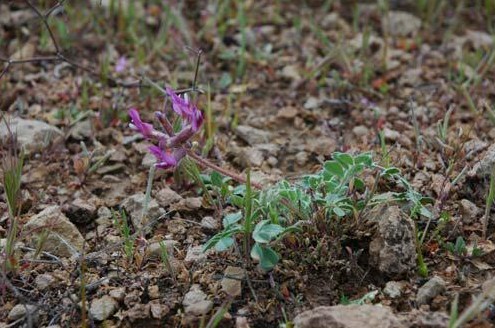
(c) M. Socorro González Elizondo, some rights reserved (CC BY-SA), uploaded by M. Socorro González Elizondo
iNaturalist· cc0
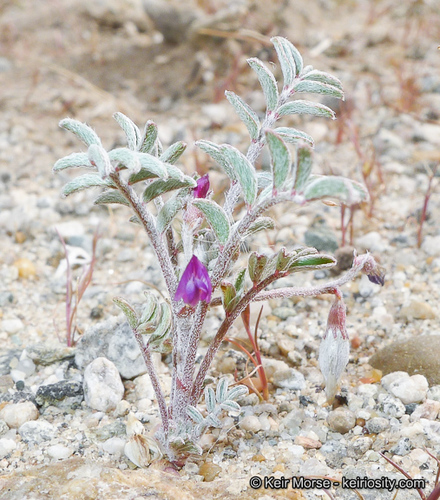
no rights reserved, uploaded by Ira Gershenhorn
iNaturalist· cc-by-nc
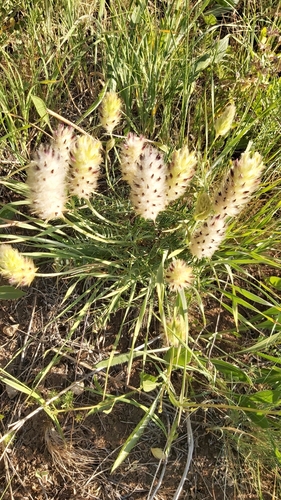
(c) marce_, some rights reserved (CC BY-NC)
Summary
Source: WikipediaPhaseolus vulgaris, the common bean, is a herbaceous annual plant. Its botanical classification, along with other Phaseolus species, is as a member of the legume family, Fabaceae. It forms a green-leaved vine which produces beans inside of pods. The common bean has a long history of cultivation. All wild members of the species have a climbing habit, but many cultivars are classified either as bush beans or climbing beans, depending on their style of growth. In 2022, 28 million tonnes of dry common beans were produced worldwide, led by India with 23% of the total. Raw dry beans contain the toxic compound phytohaemagglutinin, which can be deactivated by boiling the beans for 30 minutes. In addition to the beans, the unripe green pods are used for food. The leaf is occasionally used as a vegetable and the straw as fodder.
Description
A bean family herb.
This description is brief — help expand it
Known Hazards
The toxic compound phytohaemagglutinin, a lectin, is present in many common bean varieties but is especially concentrated in red kidney beans. White kidney beans contain about a third as much phytohaemagglutinin as the red variety; broad beans (Vicia faba) contain 5–10% of the amount that red kidney beans contain. Phytohaemagglutinin can be inactivated by a two-step process. The United States Food and Drug Administration recommends soaking the dry beans for at least five hours in water, which should then be discarded; this first step is largely for reducing indigestible carbohydrates. Then boiling the hydrated (wet, soft) beans for 30 minutes to ensure they reach a sufficient temperature for long enough to destroy the toxin completely. Outbreaks of poisoning have been associated with cooking kidney beans in slow cookers at 80 °C/176 °F, which is insufficient to deactivate all toxins. The primary symptoms of phytohaemagglutinin poisoning are nausea, vomiting, and diarrhea. Onset is from one to three hours after consumption of improperly prepared beans, and symptoms typically resolve within a few hours. Consumption of as few as four or five raw, soaked kidney beans can cause symptoms. Canned red kidney beans are safe to use immediately, as they have already been cooked. Beans are high in purines, which are metabolized to uric acid. Uric acid is not a toxin but may promote the development or exacerbation of gout. However, more recent research has questioned this association, finding that moderate intake of purine-rich foods is not associated with an increased risk of gout.
Distribution
It is a temperate plant.
Where It Grows
Balkans, Europe, Macedonia, North America, Switzerland, USA,
References (2)
- Beckstrom-Sternberg, Stephen M., and James A. Duke. "The Foodplant Database." http://probe.nalusda.gov:8300/cgi-bin/browse/foodplantdb.(ACEDB version 4.0 - data version July 1994) (As Phaseolus nanus)
- Gartenbohnen 32, t. 5, fig. 2. 1859