Periandra mediterranea
(Vell.) Taub.
Brazilian licorice
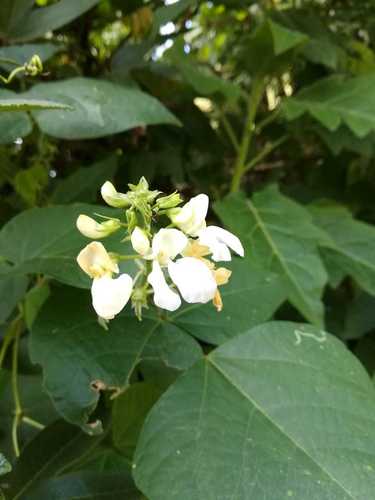
iNaturalist· cc-by-nc
(c) eneaschr, some rights reserved (CC BY-NC)
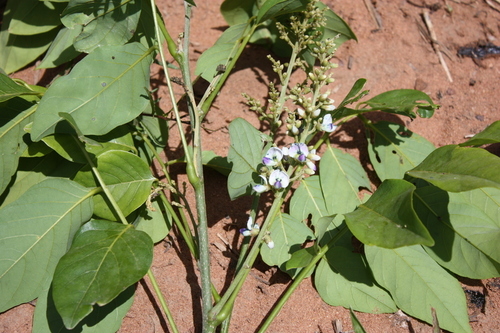
iNaturalist· cc-by-nc
(c) eneaschr, some rights reserved (CC BY-NC)
iNaturalist· cc-by-nc
(c) André Felipe de Souza Reis, some rights reserved (CC BY-NC), uploaded by André Felipe de Souza Reis
Description
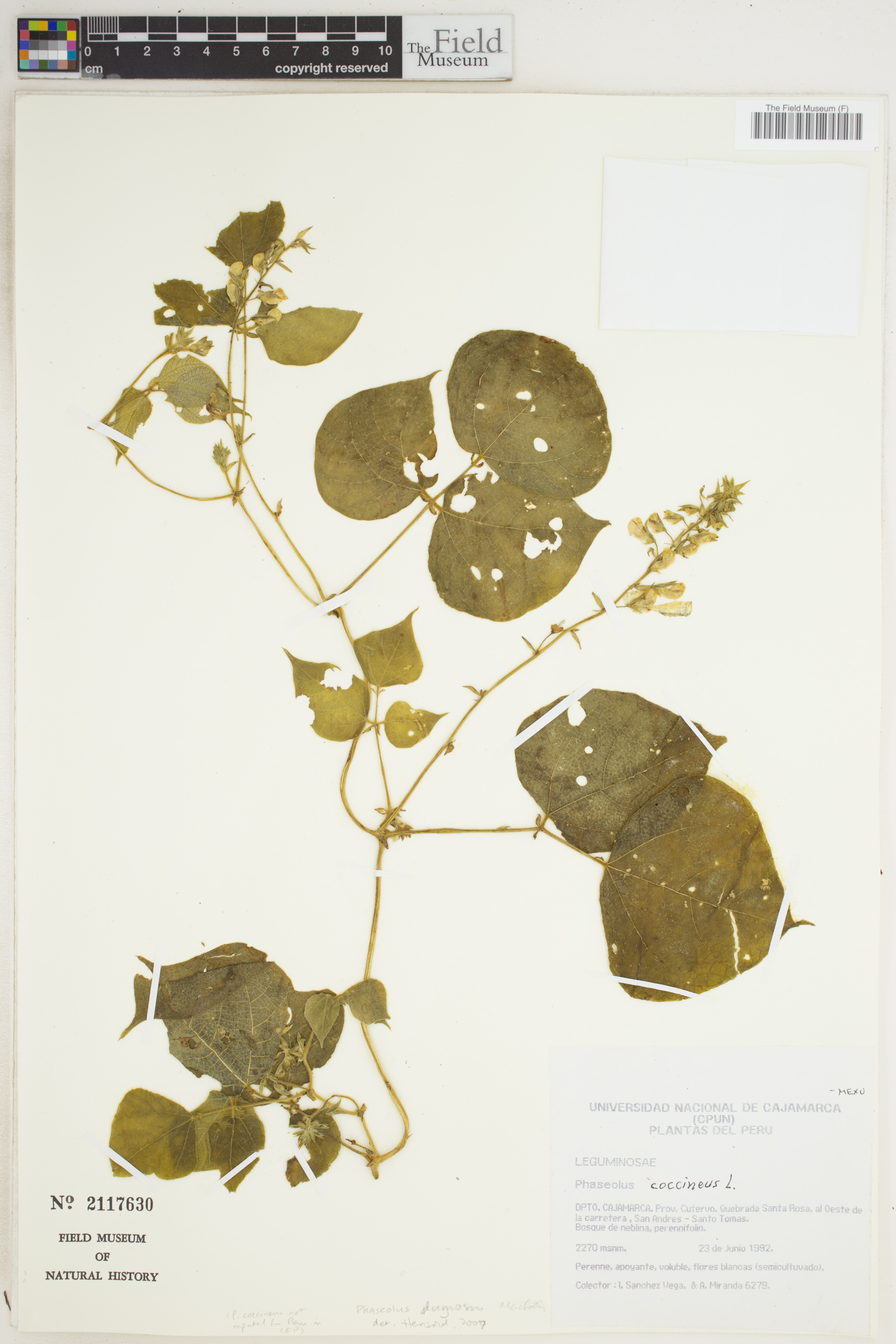
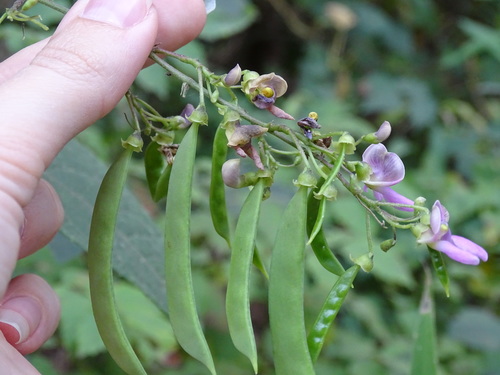
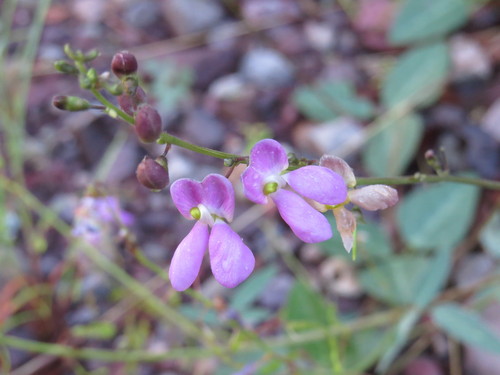
A shrub or climber which keeps growing from year to year. It grows 3 m tall. The leaves have 3 leaflets. The flower stalk is twisted, turning the flower up side down. The flower is dark blue to purple.
Edible Uses
The roots are used as a substitute for liquorice (Glycorrhiza spp.). A sweet flavour, it can be used as a flavouring, made into sweetmeats or a herbal tea.
Traditional Uses
The roots are used like liquorice.
This uses section is brief — help expand it
Medicinal Uses
The root is considered in Brazil to be an excellent alternative to the true liquorice, Glycyrrhiza spp. It is considered to be antiinflammatory, expectorant, resolvent. It is used in the treatment of pulmonary complaints, diseases of the urinary system, inflammations of the womb. Research has shown that the plant is a potent antiinflammatory, with little adverse effect compared to true liquorice (Glycyrrhiza spp.). It is expected to be an effective remedy for inflammatory diseases including multiple sclerosis. The active ingredients responsible for this activity have not been demonstrated yet, but are likely to include saponins such as periandrdulcin A, B and C, plus periandrins.
Distribution
A tropical plant. It grows in the moist tropics. It grows between 600-1,500 m above sea level.
Where It Grows
Bolivia, Brazil, South America,
Cultivation
A plant of the moist tropics, where it is found at elevations from 600 - 1,500 metres or more.
Other Uses
Although small, the wood is sometimes used for making doors.
Notes
There are 7 Periandra species. They grow in tropical America.
Synonyms
Also Known As
Alcacuz-do-Brazil, Raiz-doce
References (5)
- H. G. A. Engler & K. A. E. Prantl, Nat. Pflanzenfam. 3(3):359. 1894
- Kermath, B. M., et al, 2014, Food Plants in the Americas: A survey of the domesticated, cultivated and wild plants used for Human food in North, Central and South America and the Caribbean. On line draft. p 631 (As Periandra dulcis)
- Macmillan, H.F. (Revised Barlow, H.S., et al) 1991, Tropical Planting and Gardening. Sixth edition. Malayan Nature Society. Kuala Lumpur. p 327
- Useful Tropical Plants.
- Wiersema, J. H. & Leon, B., 2013, World Economic Plants. A Standard Reference CRC Press. 2nd Ed. p 508