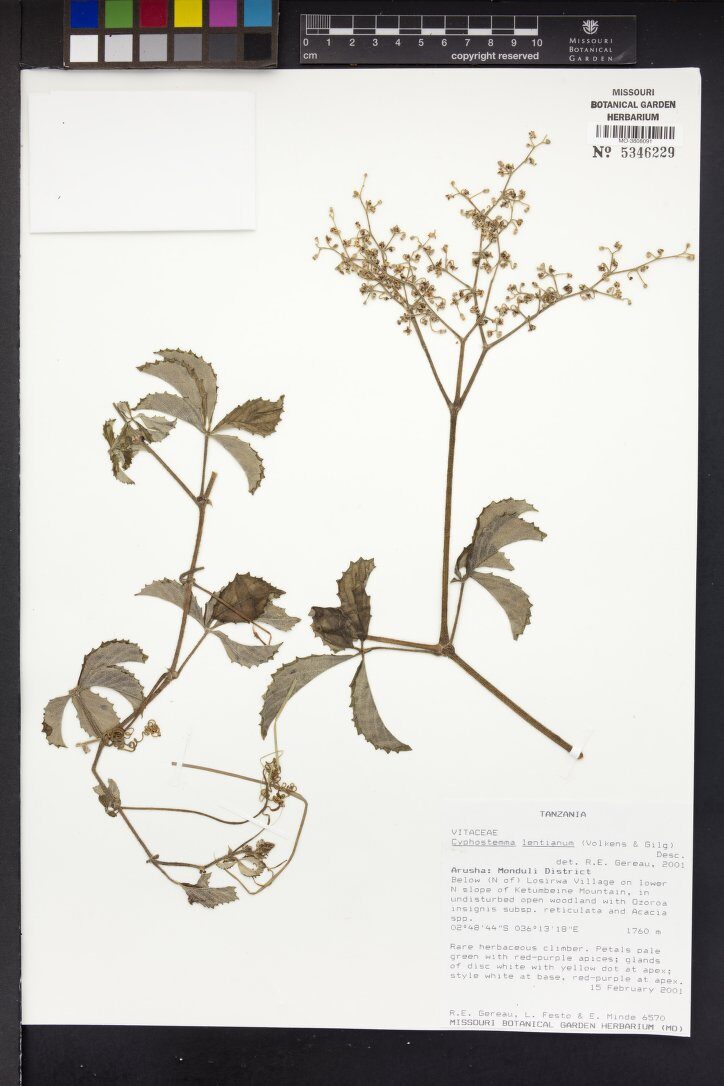
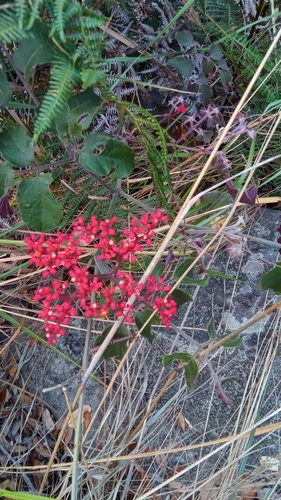
Ampelopsis arborea
(L.) Koehne
Pepper vine
iNaturalist· cc-by-nc
(c) Denver Kramer, some rights reserved (CC BY-NC)
iNaturalist· cc0
no rights reserved
iNaturalist· cc0
no rights reserved
Summary
An evergreen climber growing to 10 m. Monoecious, flowers July to August. Grows in medium loamy soils with mildly acid to basic pH. Tolerates semi-shade or full sun and prefers moist soil. Hardy to UK zone 7, in leaf year-round.
Description
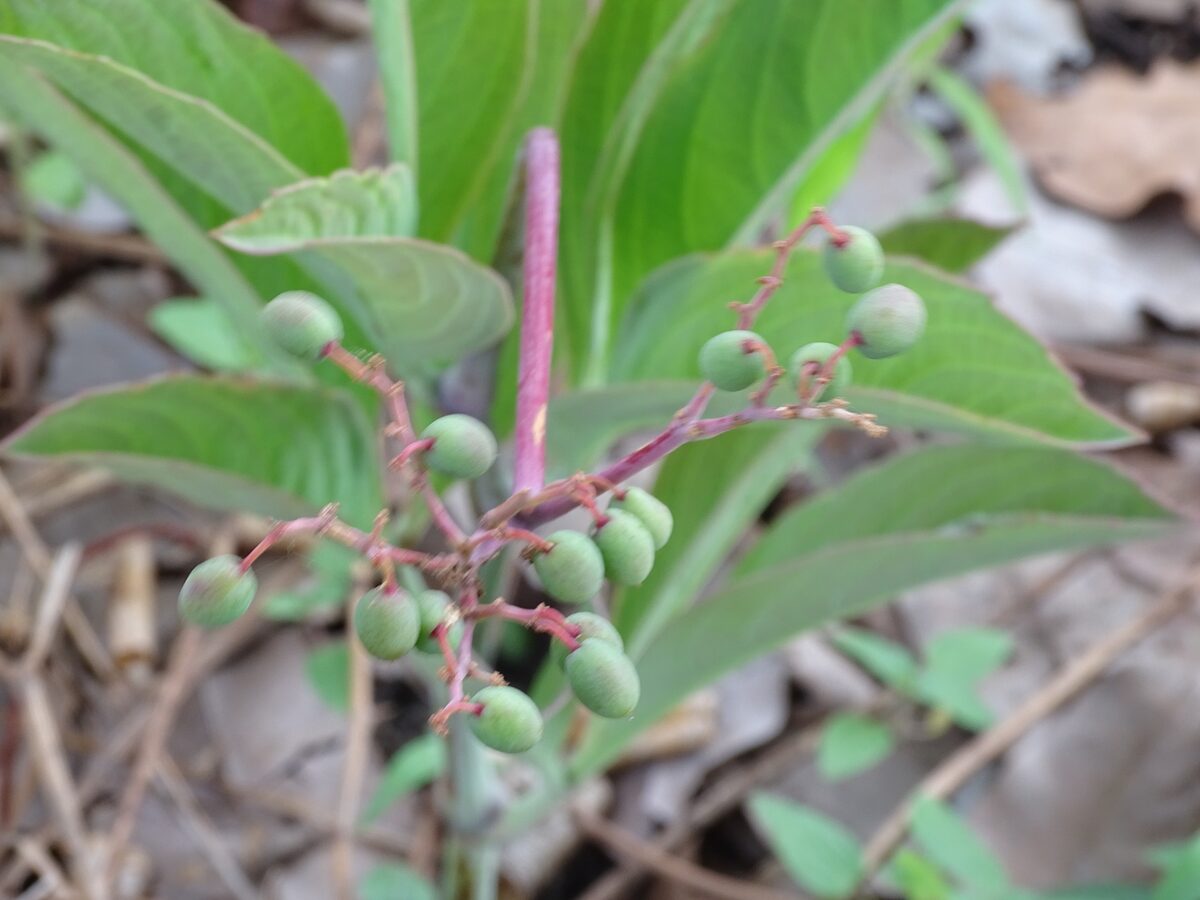
A climber which grows to 10 m long. Fruit are carried in bunches. The fruit is about 8 mm across and contains 3 seeds.
This description is brief — help expand it
Edible Uses
The fruit can be eaten raw or cooked, though it has a poor taste. Each fruit is about 8mm in diameter, contains 3 seeds, and grows in small grape-like bunches. The flesh is thin and largely inedible.
Traditional Uses
The fruit are eaten cooked.
This uses section is brief — help expand it
Medicinal Uses
None known
Distribution
It grows naturally in rich moist soils in Southern North America. It needs a sheltered position.
Where It Grows
North America, USA,
Cultivation
It can be grown by seed, cuttings or layering.
Propagation
Sow seed in pots in a cold frame in autumn, or stratify for 6 weeks at 5°c and sow in spring. Germination can be slow, sometimes taking more than a year. Prick seedlings out into individual pots once large enough to handle, and grow on in a greenhouse through their first winter. Plant out into permanent positions when more than 20cm tall, preferably in late spring or early summer after the last expected frosts. Take half-ripe wood cuttings, 7–10cm long, in July or August in a frame. Alternatively, take cuttings or eyes in late autumn or winter and place in the ground in a greenhouse or cold frame, or pot them up. An eye cutting consists of a single bud at the top with a short length of stem and a small section of bark removed; these normally root well and grow vigorously, ready to plant into permanent positions the following autumn. Layer into pots in late summer by partially severing the stem in spring, then lift the new plants in autumn.
Other Uses
None known
Notes
There are about 20-25 Ampelopsis species.
Synonyms
References (3)
- Deut. Dendrol. 400. 1893
- Hedrick, U.P., 1919, (Ed.), Sturtevant's edible plants of the world. p 681 (? As Vitis arborea)
- Plants for a Future database, The Field, Penpol, Lostwithiel, Cornwall, PL22 0NG, UK. http://www.scs.leeds.ac.uk/pfaf/.