Streblus pendulinus
(Endl.) F. Muell.
Sia's backbone
iNaturalist· cc-by-nc
(c) Scott W. Gavins, some rights reserved (CC BY-NC)
iNaturalist· cc-by-nc
(c) Scott W. Gavins, some rights reserved (CC BY-NC)
iNaturalist· cc-by-nc
(c) Scott W. Gavins, some rights reserved (CC BY-NC)
Description
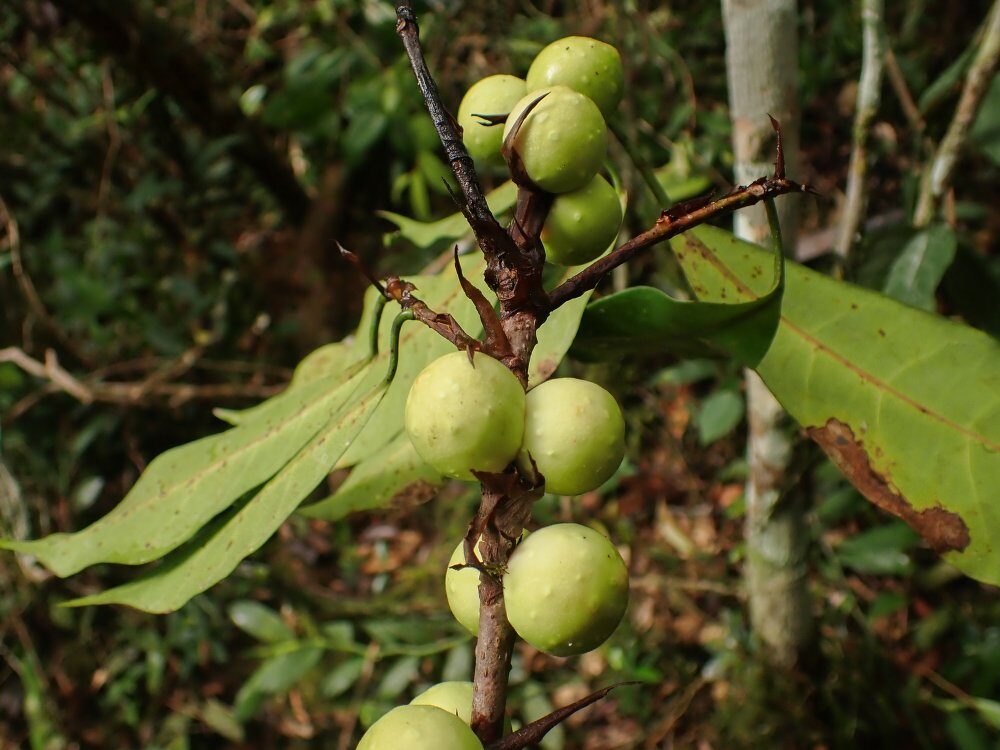
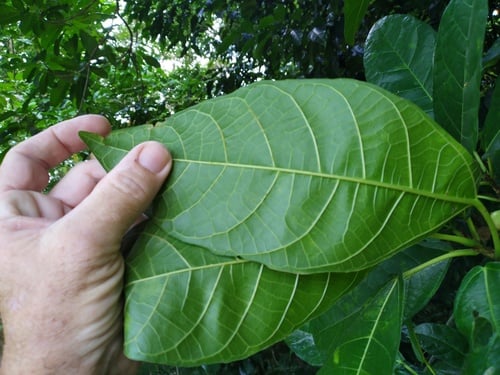
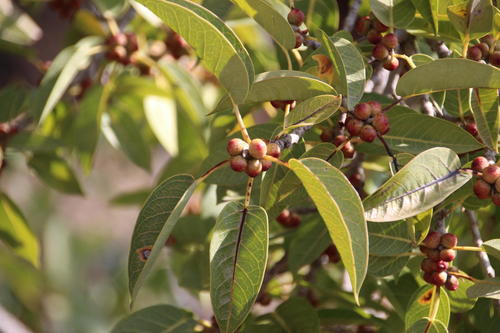
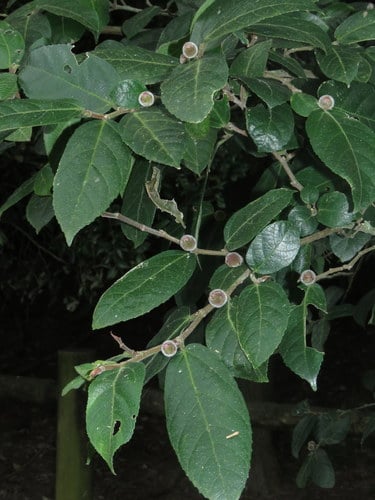
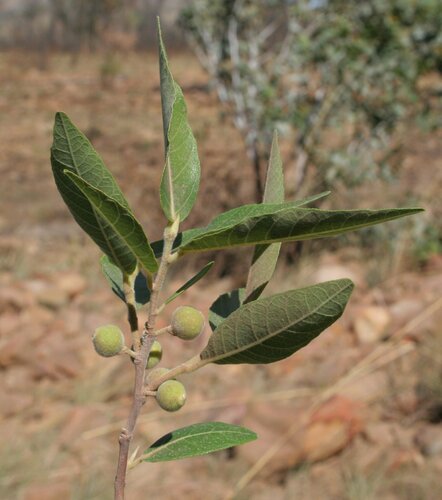
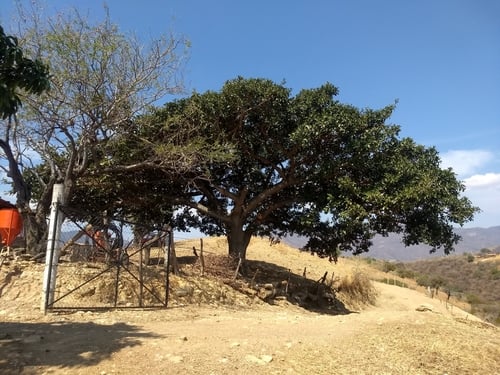
A shrub or small tree. It grows 6-12 m tall. The leaves are rough. The leaves are 5-8 cm long by 3-4 cm wide. The male and female flowers to not have stalks. The fruit are fleshy and red. They are 8 mm long and wide.
Edible Uses
The young leaves are eaten.
Traditional Uses
The young leaves are eaten.
This uses section is brief — help expand it
Distribution
A tropical plant. It grows in dry coastal regions and in wet forests. It grows from sea level to 1,675 m above sea level.
Where It Grows
Australia, Fiji, Hawaii, Marianas, New Caledonia, Pacific, Papua New Guinea, PNG, Society Islands, Solomon Islands, USA, Vanuatu,
Notes
There are 10 Paratrophis species. They occur in Polynesia and New Zealand. It is an unresolved name in The Plant List.
Synonyms
Also Known As
Grey handlewood, Prickly fig, White handlewood
References (5)
- Altschul, S.V.R., 1973, Drugs and Foods from Little-known Plants. Notes in Harvard University Herbaria. Harvard Univ. Press. Massachusetts. no. 673 (As Paratrophis tahitensis)
- Benth. & Hook., 1892, Ill. Fl. Ins. Pacif. 296 (As Paratrophis tahitensis)
- French, B.R., 2010, Food Plants of Solomon Islands. A Compendium. Food Plants International Inc. p 358 (As Paratrophis tahitensis)
- Gillaumin, R., 1954, Les Plantes utiles des Nouvelles-Hebrides (fin et complement) In: Journal d'agriculture tropicale et de botanique appliquee Vol. 1, No. 10-12 pp 453-460 (As Paratrophis tahitensis)
- Massal, E. and Barrau, J., 1973, Food Plants of the South Sea Islands. SPC Technical Paper No 94. Nounea, New Caledonia. p 35 (As Paratrophis tahitensis)