Vaccinium palustre
Salisb.
Bogberry, Moorberry, Fen berry, Small Cranberry
wikimedia· cc-by-sa
Wikimedia Commons - Christian Fischer
wikimedia· cc-by-sa
Wikimedia Commons - Krzysztof Ziarnek, Kenraiz
Description
A creeping low shrub. It has thin shoots. The leaves are small and 8-16 mm long by 3-6 mm wide. They are leathery and greyish underneath. The flowers are red and in drooping groups. The fruit are red and 10-18 mm across. They are edible.
Medicinal Uses
The berries are edible, for which the species is grown commercially as a cash crop. Many cranberries are grown in wetland soils consisting of alternating layers of organic matter and sand; modern harvesting techniques include temporarily flooding fields, shaking berries loose, and gathering the floating berries. Common uses of the berries includes sauce, jelly, juice, and dried fruit. There is some evidence suggesting that the berries or their juice could be useful in treating or preventing certain urinary tract infections, but this is not certain yet and thus is not substitute for medical management. Some research suggests cranberries may suppress asymptomatic Helicobacter pylori colonization, but they seem to be an inferior treatment compared to antibiotic therapy in symptomatic patients.
Distribution
It is a temperate plant. It grows in swamps. It grows best in open well lighted areas.
Where It Grows
Asia, Britain, Central Asia, Europe, Kazakhstan, North America, Scandinavia, USA,
Dangerous Lookalikes
This plant can be confused with the following toxic species. Always verify identification carefully before consuming any wild plant.
Deadly Nightshade
Atropa belladonna
Joan Simon from Barcelona, España
Bogberry
Vaccinium palustre
Wikimedia Commons - Christian Fischer
Deadly Nightshade: Tall herbaceous plant (1-2m), single shiny black cherry-sized berries, star-shaped calyx, large oval leaves, sweet but dangerous taste.
Bogberry: Low woody shrub, berries in clusters with crown/remnant calyx ring, sweet taste.
Synonyms
References (5)
- Beckstrom-Sternberg, Stephen M., and James A. Duke. "The Foodplant Database." http://probe.nalusda.gov:8300/cgi-bin/browse/foodplantdb.(ACEDB version 4.0 - data version July 1994) (As Oxycoccus palustris)
- Dzhangaliev, A. D., et al, 2003, The Wild Fruit and Nut Plants of Kazakhstan, Horticultural Reviews, Vol. 29. pp 305-371
- Hedrick, U.P., 1919, (Ed.), Sturtevant's edible plants of the world. p 458 (As Oxycoccus palustris)
- Kremer, B.P., 1995, Shrubs in the Wild and in Gardens. Barrons. p 117. (As Oxycoccus palustris)
- Prodr. stirp. Chap. Allerton 291. 1796 [ As palustre]
More from Ericaceae
Vaccinium arctostaphylos
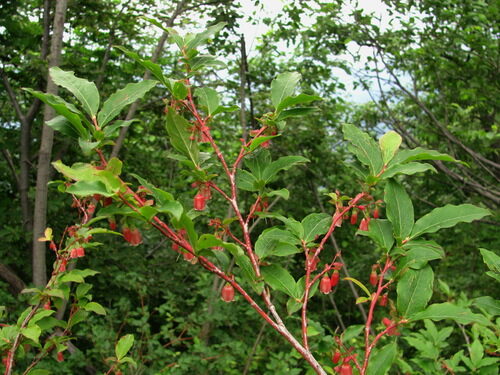
Caucasian Whortleberry
Vaccinium ashei
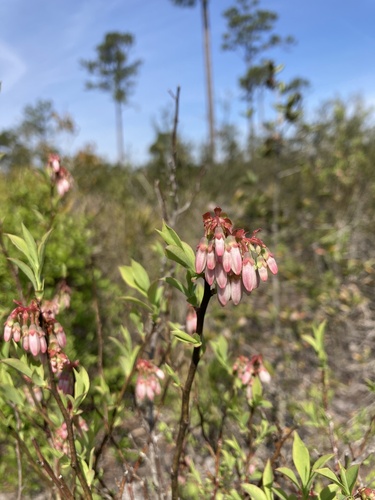
Rabbiteye Blueberry, Mirtilo, Mirtilo-rabbiteye
Vaccinium atrococcum
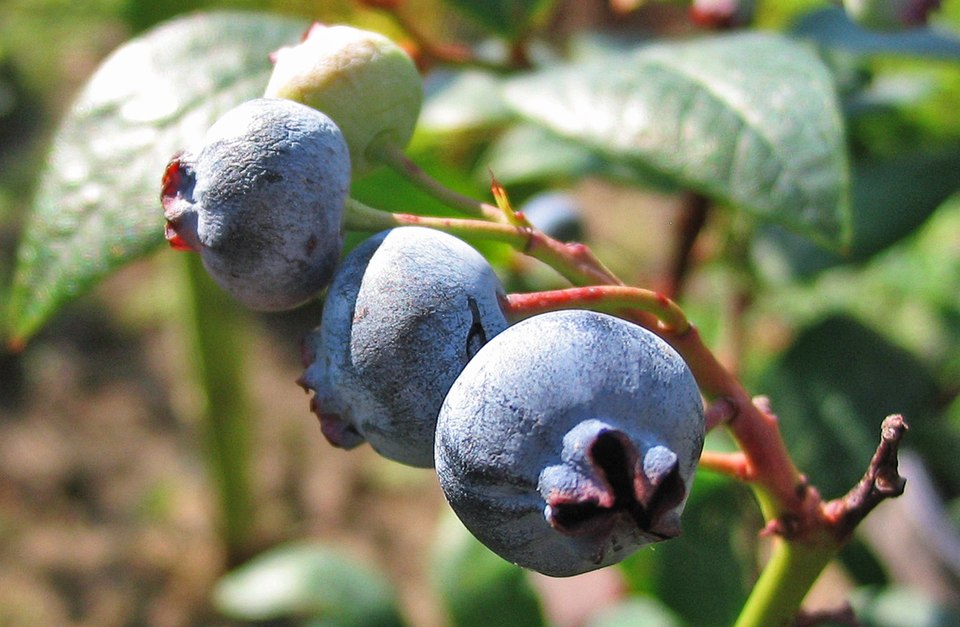
Downy swamp blueberry, Black huckleberry
Vaccinium australe
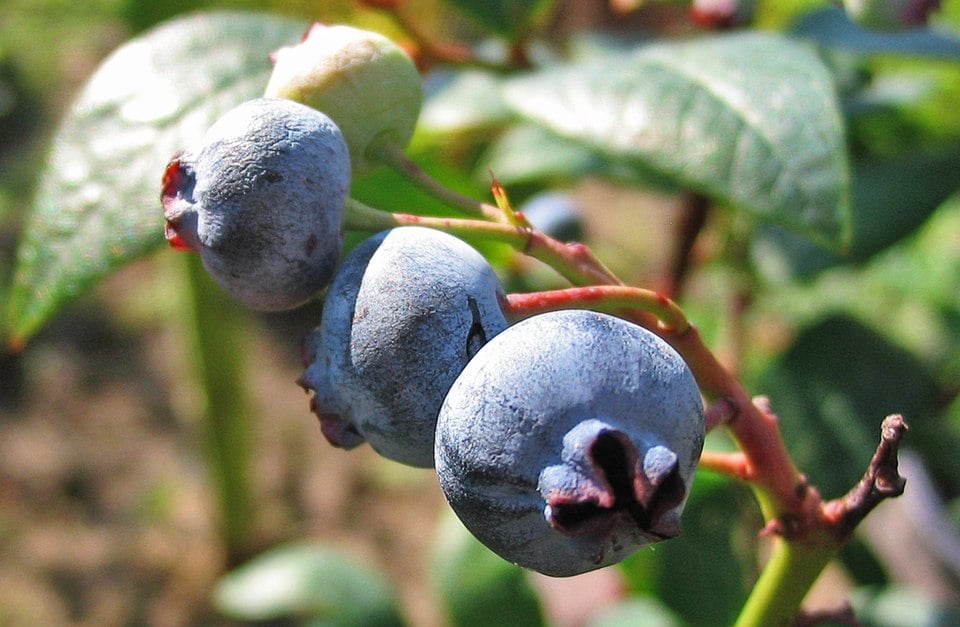
South Eastern Highbush blueberry
Vaccinium boreale
Vaccinium bracteatum
Sea bilberry, Black rice tree, Oriental blueberry