Oxyanthus tubiflorus
(Andrews) DC.
wikimedia· cc0
Wikimedia Commons - Andrews, Henry C.; Bensley, Thomas; Haworth, Adrian Hardy; Jackson, George; Kennedy, John
wikimedia· cc0
Wikimedia Commons - John Lindley
Summary
Source: WikipediaOxyanthus tubiflorus, commonly called the needle flower, is a shrub in the family Rubiaceae. It is native to Sierra Leone, Guinea and probably neighboring Liberia. It produces flowers up to 7 inches (18 cm) long. The leaves are opposite and 3 to seven inches (7 to 17 centimeters) long by 1 to 3 inches (2.5 to 7.6 centimeters) wide. It is pollinated by a species of sphinx moth.
Description
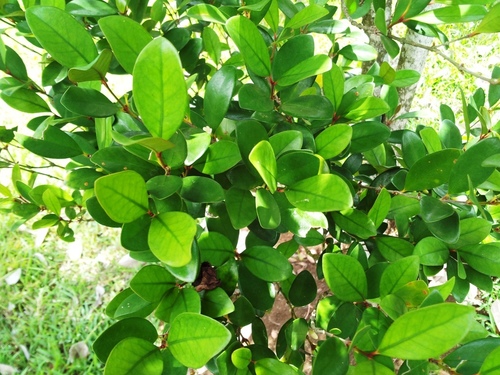
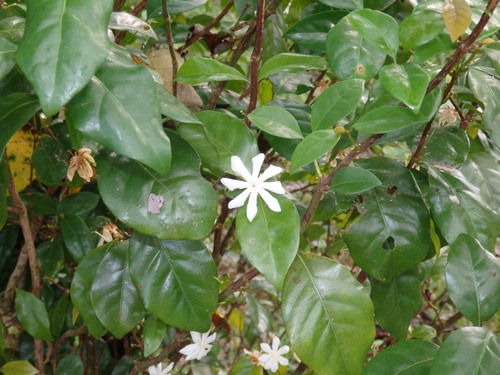
A shrub or tree. It grows 4-16 m high. The leaves are dark and shiny. The flowers are white and have a scent. They are very slender and tube shaped and 15-16 cm long.
Edible Uses
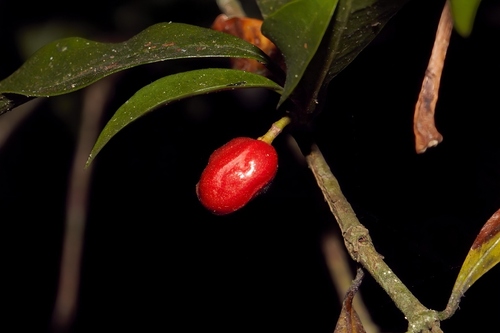
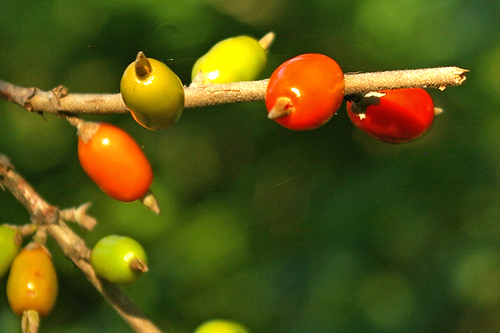
The fruit are eaten.
Distribution
A tropical plant. It grows in inland forest and coastal scrub.
Where It Grows
Africa, Angola, Benin, Central Africa, Côte d'Ivoire, Ghana, Guinea, Guinée, Guinea-Bissau, Ivory Coast, Liberia, Nigeria, Sierra Leone, Togo, West Africa,
Notes
There are 40 Oxyanthus species.
Synonyms
Also Known As
Baja, Demontie, Makota, Ma-tont
References (4)
- Abbiw, D.K., 1990, Useful Plants of Ghana. West African uses of wild and cultivated plants. Intermediate Technology Publications and the Royal Botanic Gardens, Kew. p 47
- Burkill, H. M., 1985, The useful plants of west tropical Africa, Vol. 4. Kew.
- Jardin, C., 1970, List of Foods Used In Africa, FAO Nutrition Information Document Series No 2.p 151
- World Checklist of Useful Plant Species 2020. Royal Botanic Gardens, Kew