Owenia vernicosa
F. Muell.
Emu apple, Candlestick tree
iNaturalist· cc-by
(c) coenobita, some rights reserved (CC BY), uploaded by coenobita
iNaturalist· cc-by
(c) coenobita, some rights reserved (CC BY), uploaded by coenobita
iNaturalist· cc-by-nc
(c) mtweedie, some rights reserved (CC BY-NC)
Summary
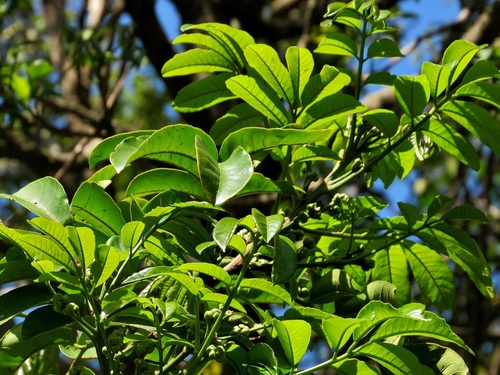
Source: WikipediaOwenia vernicosa, the emu apple, is a species of tree found in the north of Australia. The bark is an orange-grey colour that flakes away from the trunk. Deep red fruit appear after the flowering period, when the white, cream and green inflorescence appears in October to November. The tree occurs on alluvial sand or black and loamy clays over sandstone. The habitat may be rocky ridge lines and slopes or alongside creeks.
Description
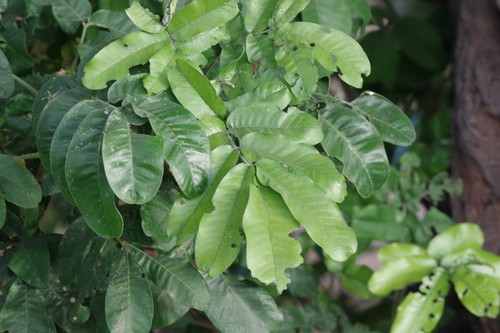
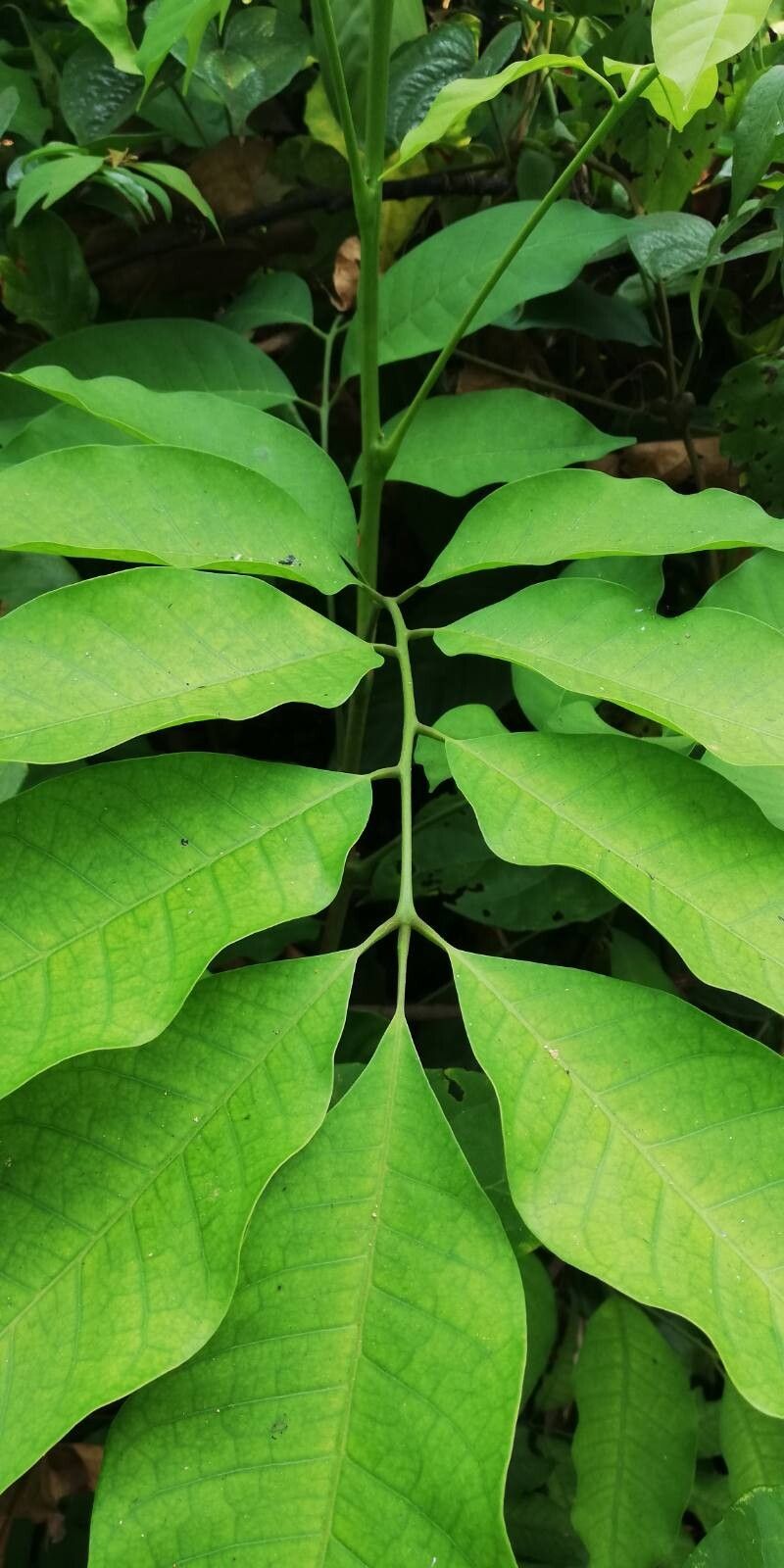
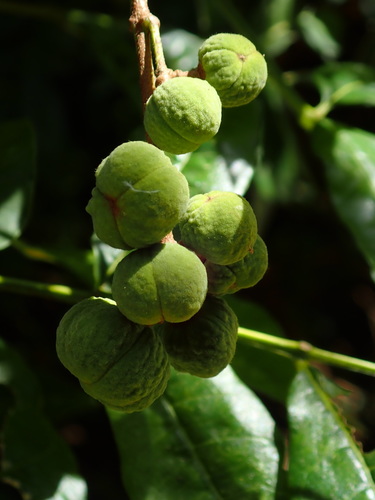
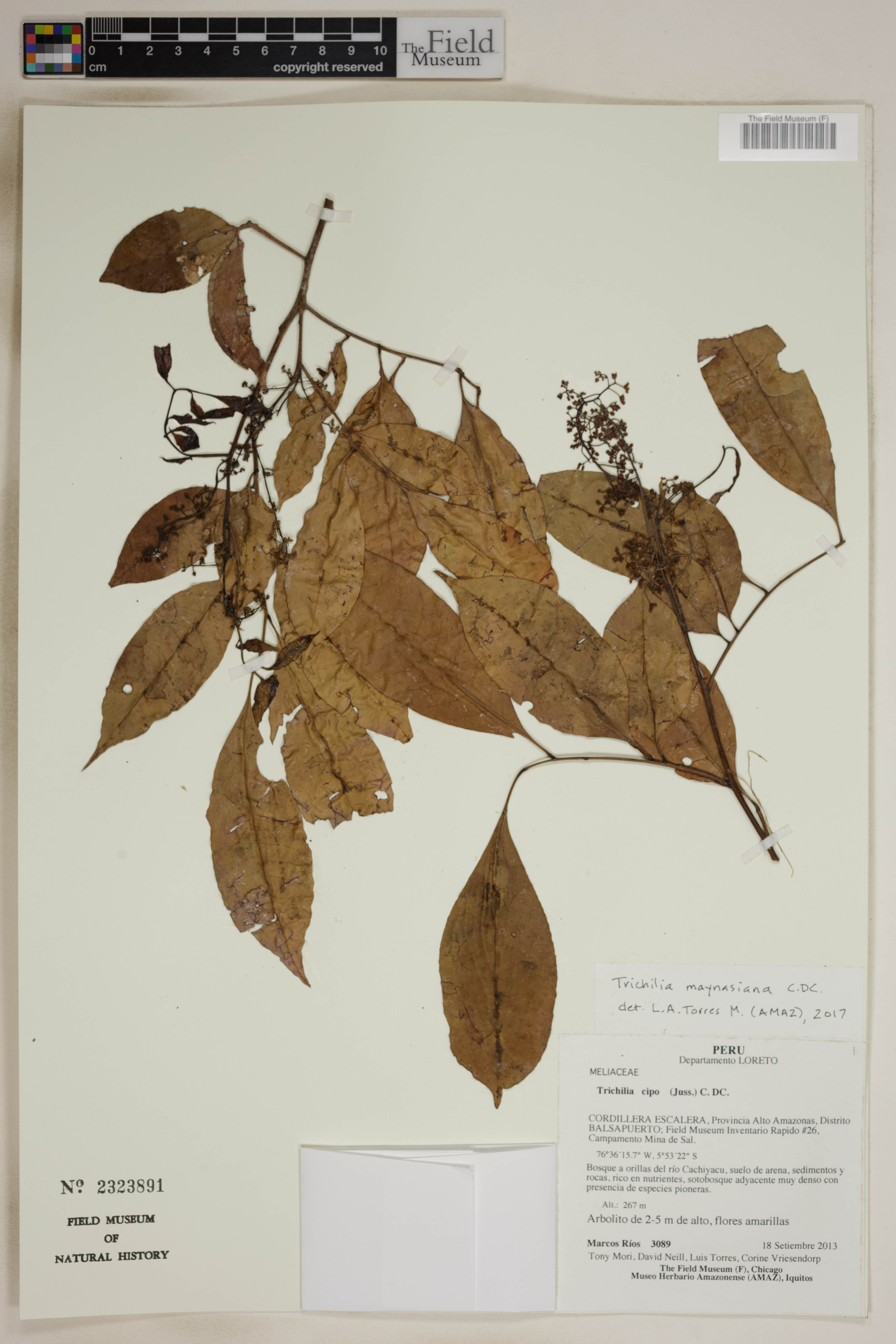
A tall shrub or small tree. It grows 12 m high. The young growth is sticky and bright green. The bark is rough. The leaves are 30-35 cm long with leaflets along the stalk. The leaflets are 5-12 cm long by 1.3-2.2 cm wide. There are 7-15 pairs of leaflets. The leaflets are sword shaped. They are dark green with a network of veins. The flowers are 0.3 cm across and cream. Male and female flowers are on separate trees. The flower panicles are about 30 cm long. The fruit is fleshy and 2-3.5 cm across. They are on long stalks and are round and reddish-brown.
Edible Uses
The seeds are edible.
Traditional Uses
Poisonous. The bark and leaves have been used to poison fish. The bark and leaves have been used in medicine.
This uses section is brief — help expand it
Medicinal Uses
Indigenous Australians pulverized the inner bark of this species and added it to small water bodies to act as a fish toxin, allowing fish to be easily collected from the surface of the water. Indigenous Australians boiled the inner bark of this species in water and the resulting liquid was used as an antiseptic wash for open cuts and sores. Emus are known to consume the fruit of this species. Red-tailed black cockatoos likely consume the fruit of this species, as indicated by the meaning of indigenous language words for this species. Sugar gliders are known to consume the sap of this species.
Known Hazards
The bark and leaves are poisonous and have been used to poison fish.
Distribution
It is a tropical plant. It grows in seasonally dry regions. It grows on sandy or gravelly soils.
Where It Grows
Australia*,
Cultivation
Plants are grown from seed. The seed is difficult to germinate.
Notes
There are about 6 Owenia species. They grow in Australia. It has been used in medicine.
References (11)
- Elliot, W.R., & Jones, D.L., 1997, Encyclopedia of Australian Plants suitable for cultivation. Vol 7. Lothian. p 126 (Photo)
- Fragm. 3:15. 1862
- Hardwick, G., 2001, Economically Useful Plants for Northern Australia: Master Species List. Crusader eBooks.
- Kenneally, K.E., Edinger, D. C., and Willing T., 1996, Broome and Beyond, Plants and People of the Dampier Peninsula, Kimberley, Western Australia. Department of Conservation and Land Management. p 126
- Lazarides, M. & Hince, B., 1993, Handbook of Economic Plants of Australia, CSIRO. p 178
Show all 11 references Hide references
- Levitt, D., 1981, Plants and people. Aboriginal uses of plants on Groote Eylandt. Australian Institute of Aboriginal Studies, Canberra. p 100
- Menninger, E.A., 1977, Edible Nuts of the World. Horticultural Books. Florida p 119
- Paczkowska, G. & Chapman, A.R., 2000, The Western Australian Flora. A Descriptive Catalogue. Western Australian Herbarium. p 294
- Petheram, R.J. and Kok, B., 2003, Plants of the Kimberley Region of Western Australia. UWA Press p 507
- Townsend, K., 1994, Across the Top. Gardening with Australian Plants in the tropics. Society for Growing Australian Plants, Townsville Branch Inc. p 307
- Wightman, G. & Brown, J., 1994, Jawoyn Plant Identikit, Common Useful Plants in the Katherine Area of Northern Australia. Conservation Commission Northern Territory. p 30