Trichilia hirta
L.
Broom bitterwood
iNaturalist· cc-by
(c) Daniel Cahen, some rights reserved (CC BY), uploaded by Daniel Cahen
iNaturalist· cc-by-nc
(c) gena of Jesus, some rights reserved (CC BY-NC), uploaded by gena of Jesus
iNaturalist· cc-by-nc
(c) Jennifer Possley, some rights reserved (CC BY-NC), uploaded by Jennifer Possley
Description
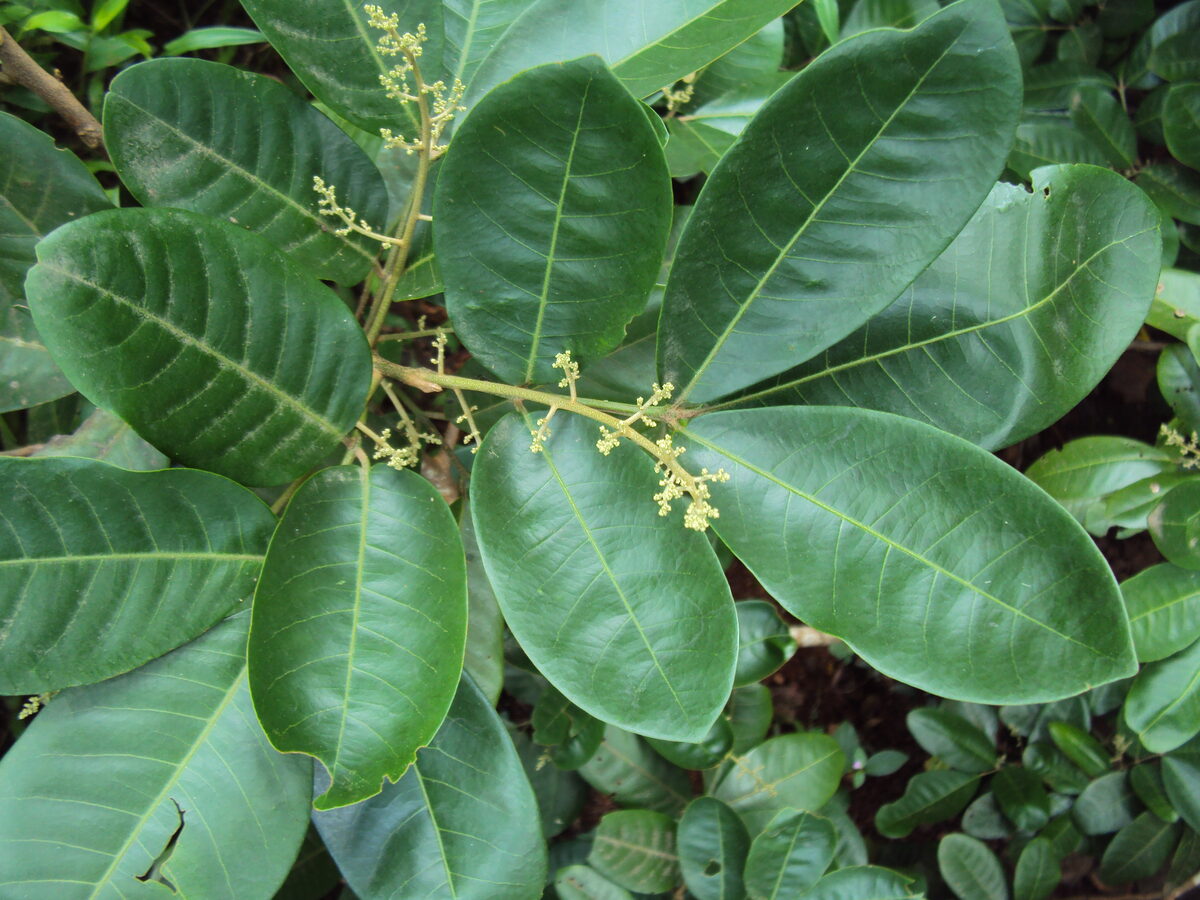
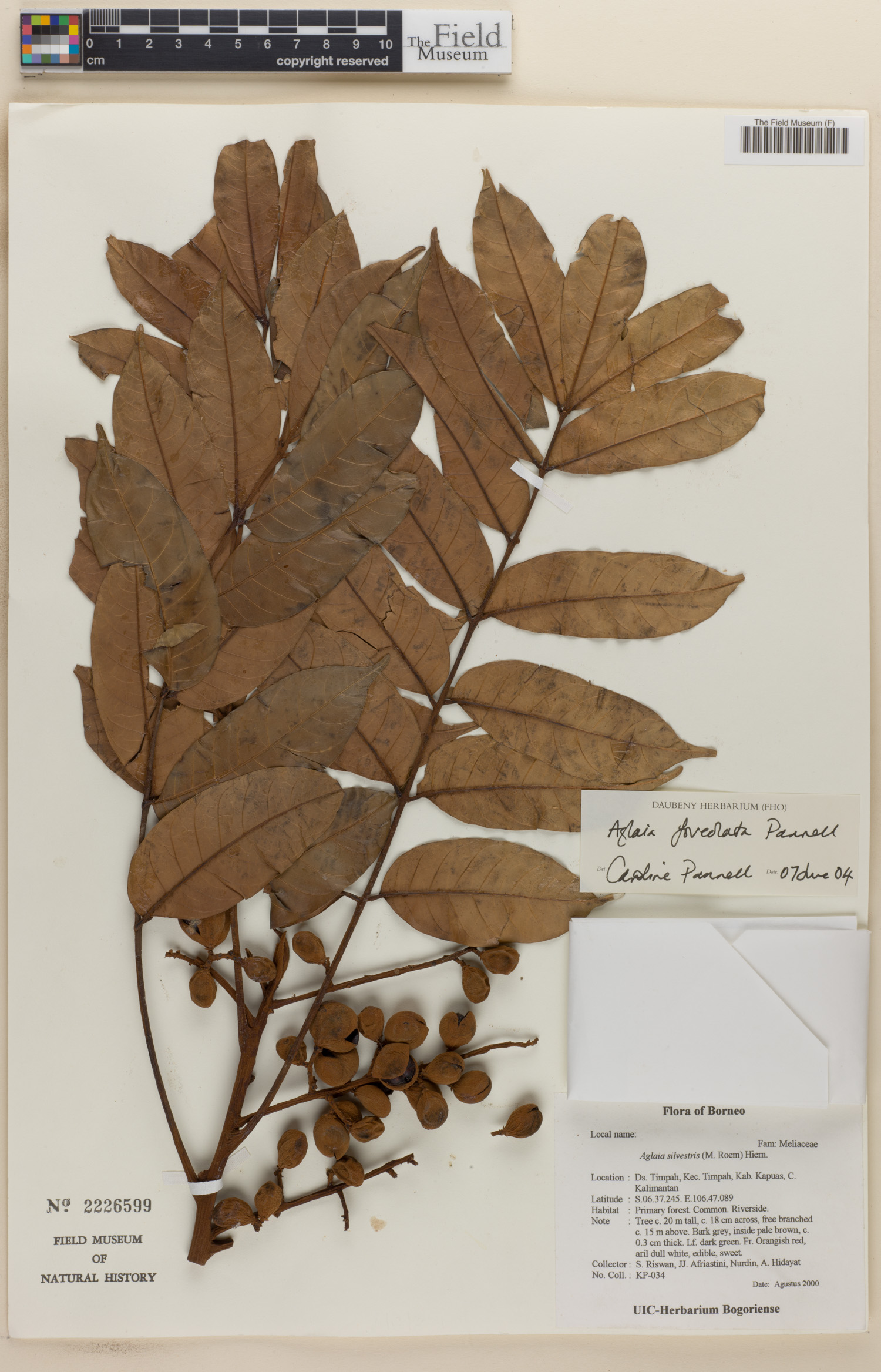
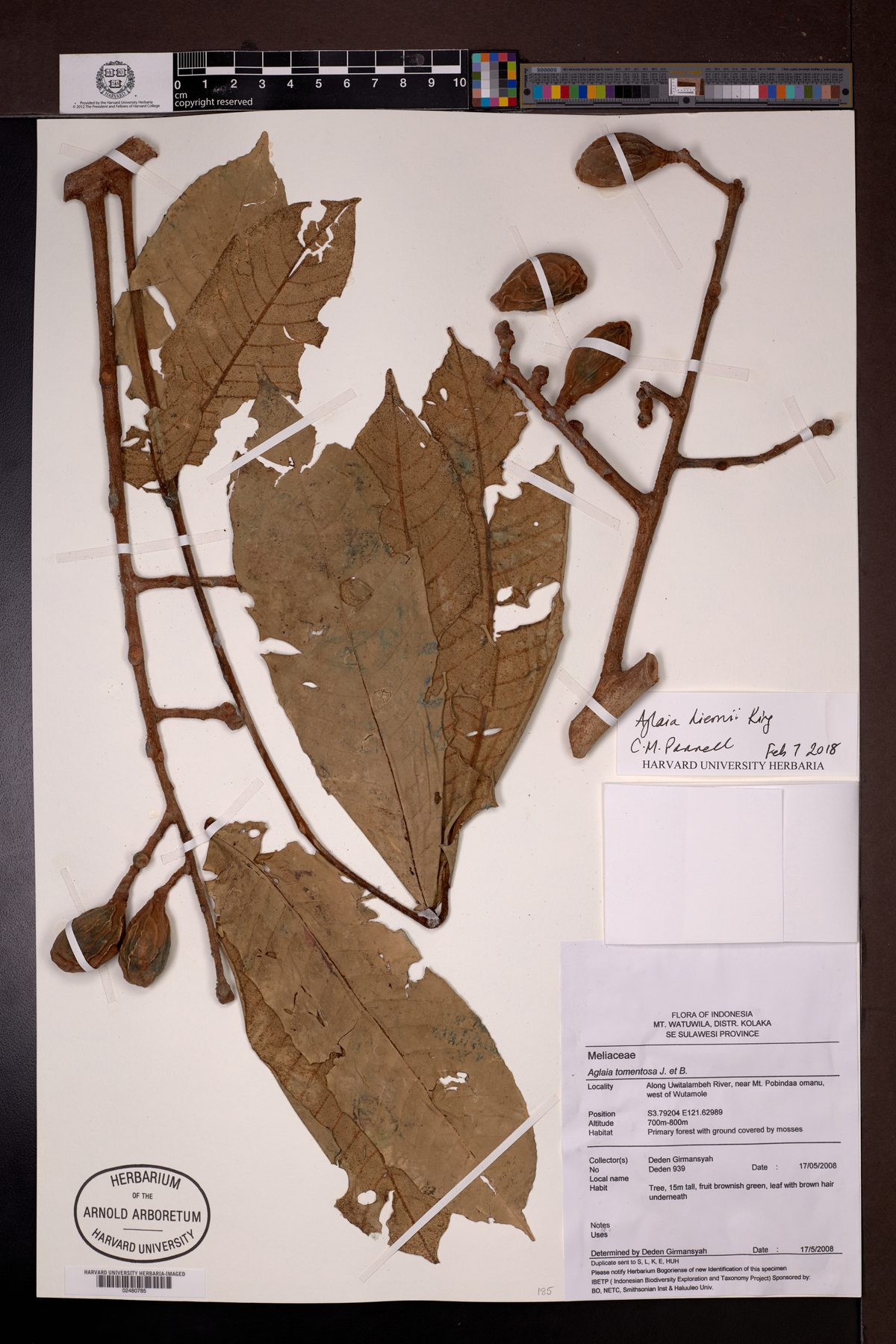
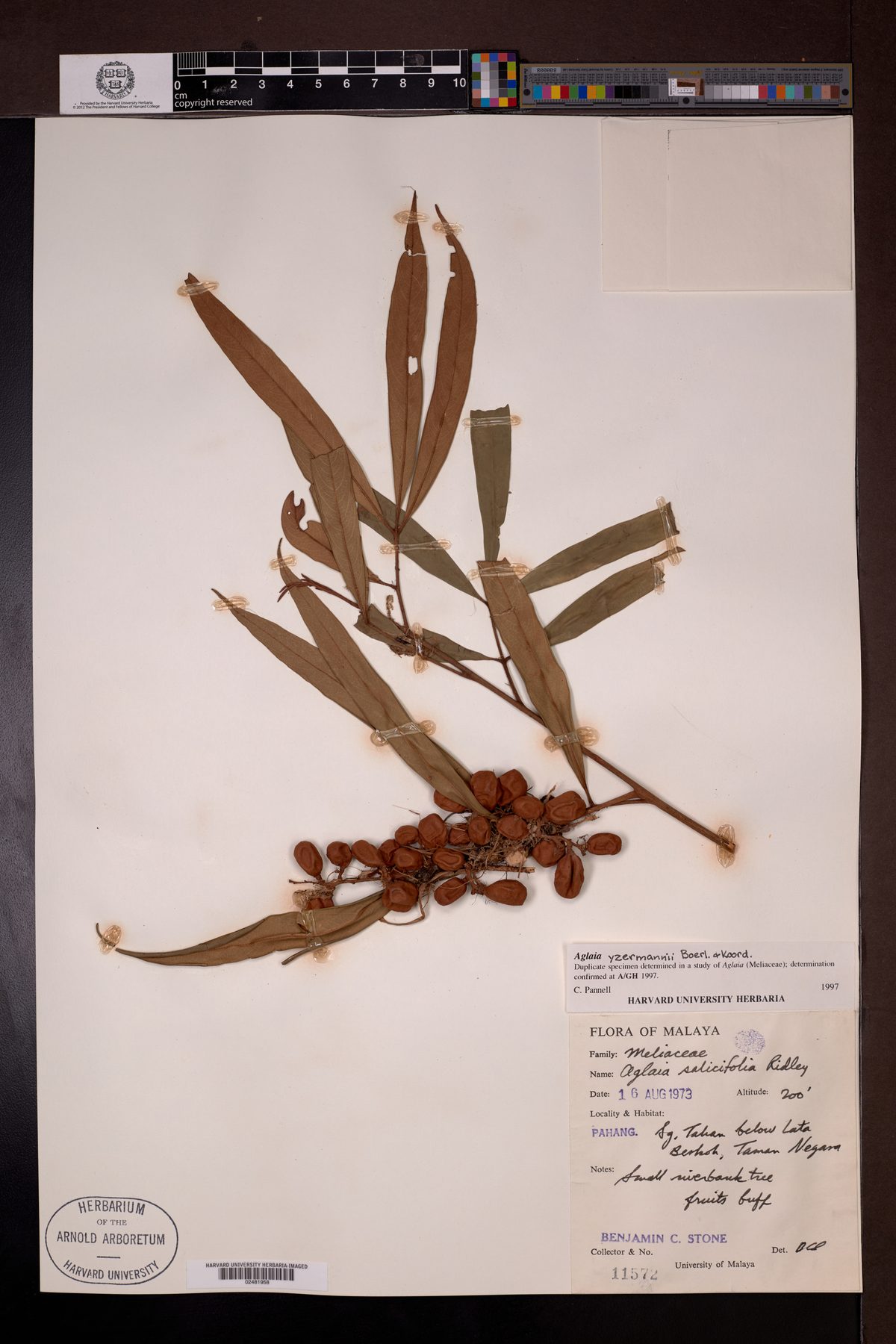
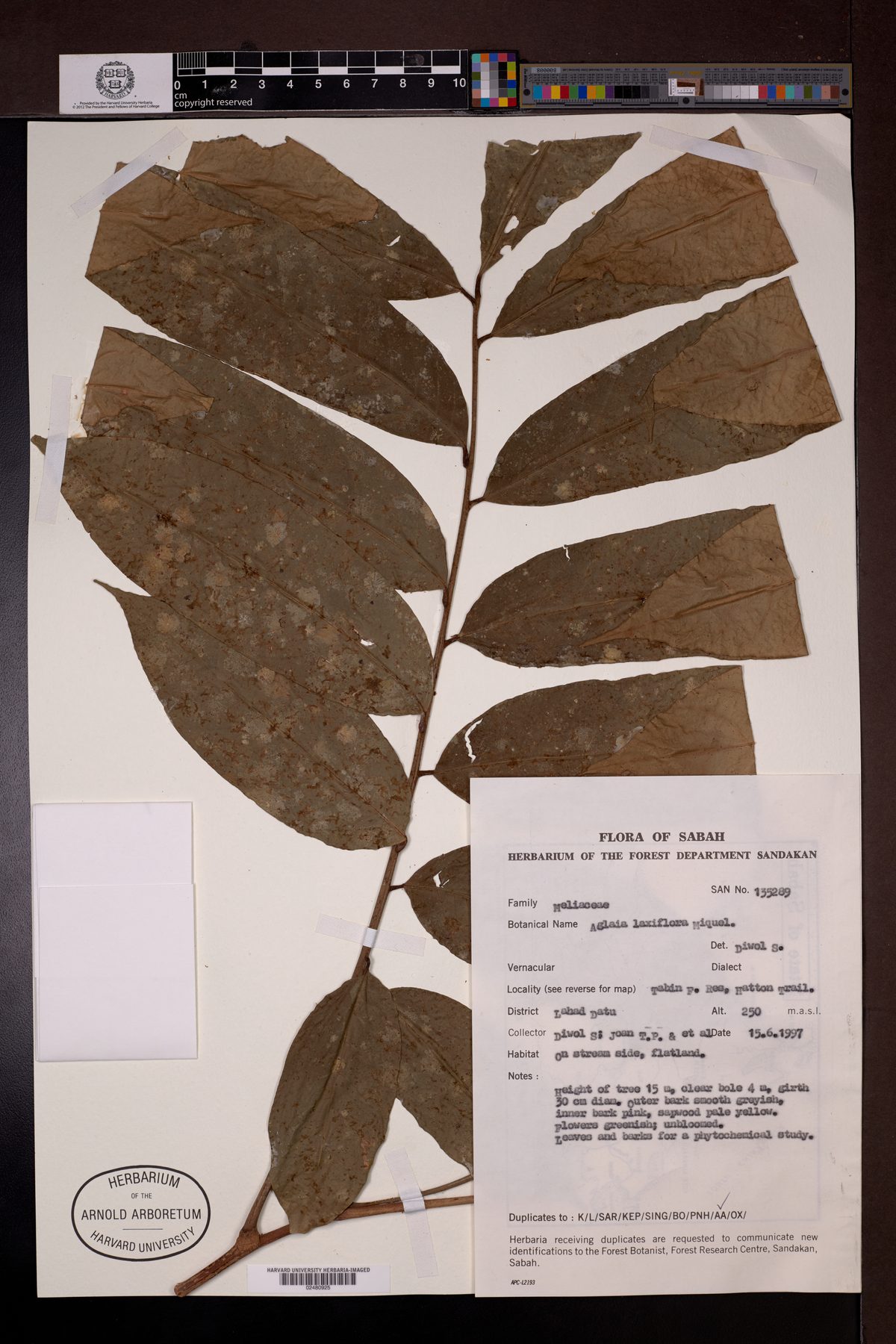
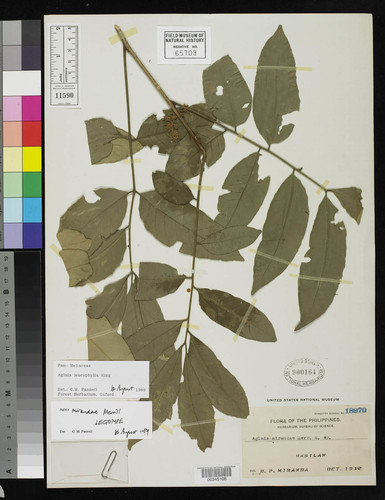
A medium sized tree. The bark is brown or red. The leaves are long and have many pointed leaflets. These are almost opposite along the stalk. There is a leaflet at the end. This leaflet is at a slight angle. There are short hairs on the twigs and under the leaflets. The fruit are woody capsules. They open with 3 valves. The seeds have bright red coverings.
Edible Uses
The fruit are edible but should be used with caution.
Medicinal Uses
The juice of the leaves is rubbed on the limbs to relieve convulsions. The root is a strong purgative.
Known Hazards
Fruit should be used with caution.
Distribution
It is a tropical plant. It grows in the dry zone.
Where It Grows
Belize, Bolivia, Central America, Colombia, Costa Rica, Cuba, Dominican Republic, Ecuador, El Salvador, Guatemala, Haiti, Honduras, Mexico, Nicaragua, North America, Panama, Peru, Puerto Rico, South America*, Venezuela, West Indies,
Cultivation
Prefers a sunny position. Succeeds in a wide range of soils.
Propagation
Seed - do not remove the fleshy covering around the seed because it does not tolerate being dried, and has a short viability of up to 1 month. Sow the seed as soon as it is ripe, either in a nursery seedbed or in individual containers, choosing a position in light shade. The germination rate is usually low, with the seed sprouting within 30 - 40 days. Pot up seedbed-grown seedlings into individual pots when they are 4- 5cm tall and they should be ready for planting out into their permanent positions 5 - 7 months later.
Other Uses
The seeds contain about 48% oil. The expressed oil is a favourite cosmetic, used to give lustre and smoothness to women's hair and perhaps also to destroy parasites. The heartwood is reddish-brown with darker veins; the sapwood light brown. The wood is hard, heavy, strong, durable, medium-textured, fairly straight-grained, somewhat splintery, takes a high polish. It, is suitable for cabinet making, furniture, lathe work and implements. The wood is used for fuel. A pioneer plant, it can be used in reforestation schemes on reclaimed and protected land.
Synonyms
Also Known As
Cedrillo, Cedrio colorado, Conejo colorado, Mata piojo, Trompetilla
References (5)
- Condit, R., et al, 2011, Trees of Panama and Costa Rica. Princeton Field Guides. p 316
- Grandtner, M. M., 2008, World Dictionary of Trees. Wood and Forest Science Department. Laval University, Quebec, Qc Canada. (Internet database http://www.wdt.qc.ca)
- Roa, J. A. G. & Boada, D. S. G., 2018, Fundación para el Fortalecimiento de la Fruticultura y Plantas Alimenticias no Convencionales en Colombia.
- Segura, S., et al, 2018, The edible fruit species in Mexico. Genet Resour Crop Evol (2018) 65:1767–1793
- Torre, de la, L., et al, 2008, Enciclopedia de las Plantas Útiles del Ecuador. Herbario QCA. Pontificia Universidad Católica del Ecuador. p 439