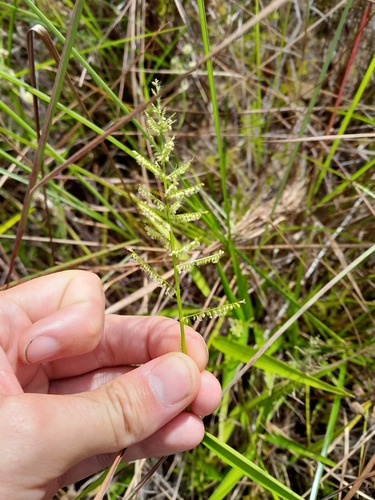
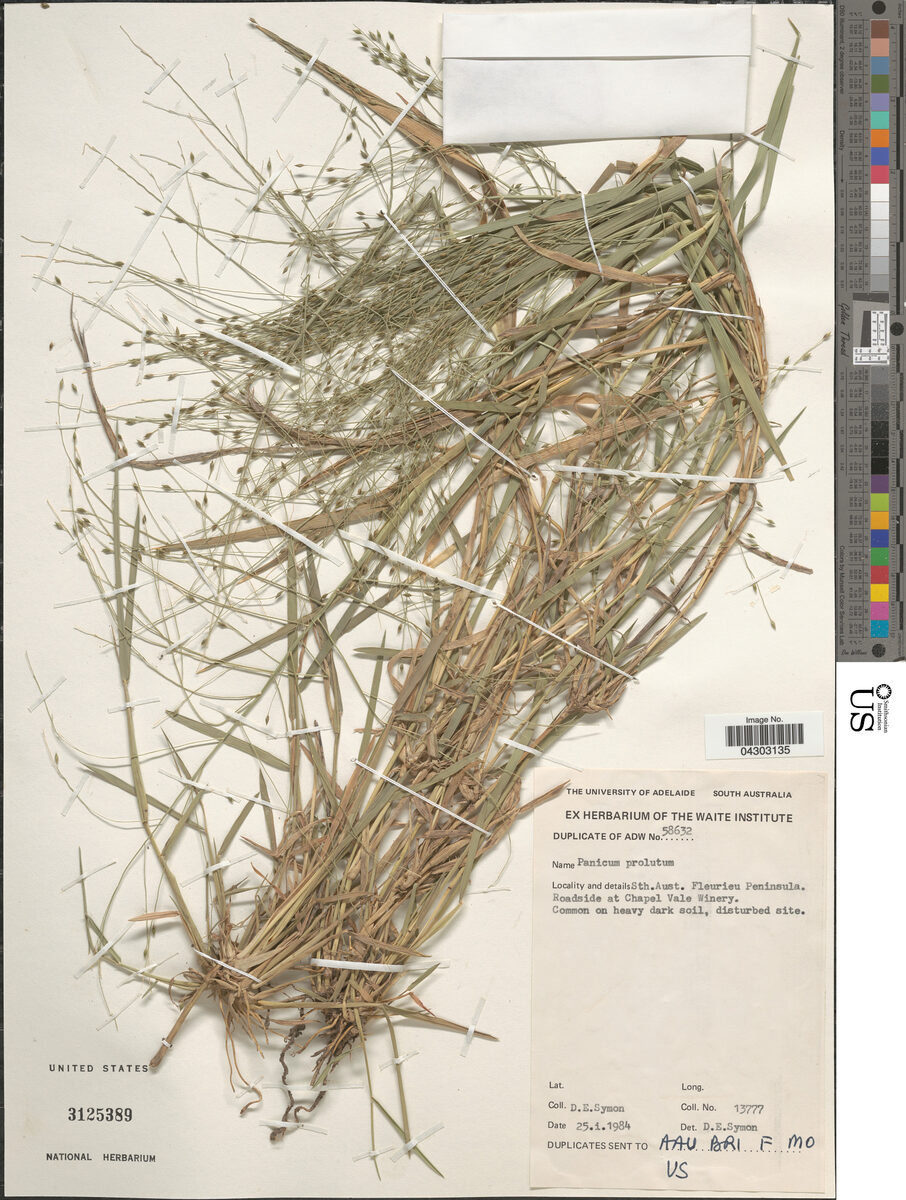
Oryzopsis asperifolia
Michx.
Mountain rice, Indian ricegrass
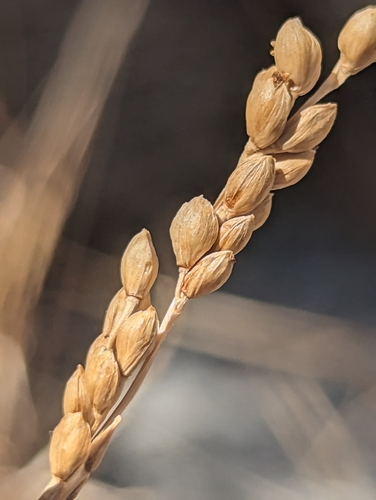
iNaturalist· cc-by-nc
(c) gordv, some rights reserved (CC BY-NC)
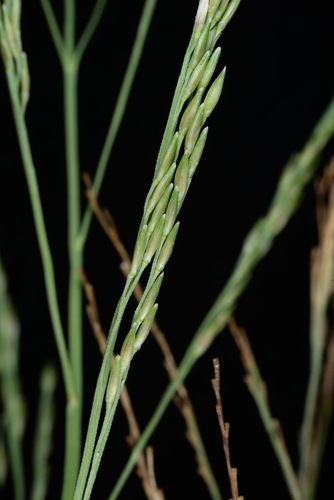
iNaturalist· cc-by-nc
(c) Janet Elliott, some rights reserved (CC BY-NC), uploaded by Janet Elliott
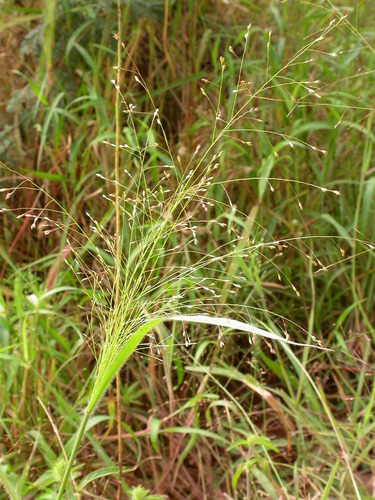
iNaturalist· cc-by-nc
(c) charolais, some rights reserved (CC BY-NC), uploaded by charolais
Summary
Source: WikipediaA perennial grass reaching 0.5 m (1 ft 8 in) tall, flowering April to July. Grows in light, medium, or heavy well-drained soils with mildly acid to mildly alkaline pH. Requires full sun and prefers moist soil.
Description
A perennial grass reaching 0.5 m (1 ft 8 in) tall, flowering April to July. Grows in light, medium, or heavy well-drained soils with mildly acid to mildly alkaline pH. Requires full sun and prefers moist soil.
Edible Uses
The seed can be eaten raw, cooked, or ground into a meal or flour. It is fairly large, with a fine and abundant farina that produces an excellent flour, and has a pleasant taste. One drawback is that the seed drops from the plant very easily, making harvesting difficult.
Traditional Uses
The parched seeds are ground into an edible meal.
This uses section is brief — help expand it
Medicinal Uses
None known
Distribution
It is a temperate plant.
Where It Grows
Canada, North America, USA,
Cultivation
We have very little information on this species and do not know if it will be hardy in Britain, though judging by its native range it should succeed outdoors in most parts of the country. One report says that the plant has a relatively large seed and is deserving of more attention as a potential food crop. The following notes are based on the general needs of the genus. Succeeds in any moderately fertile moisture retentive soil in full sun.
Propagation
Sow seed in spring in situ, though sowing in a greenhouse tends to give better results. Only just cover the seed — it should germinate freely within two weeks. Prick seedlings into individual pots when large enough to handle and plant out in early summer. Division in spring is very easy; larger divisions can go directly into permanent positions. Smaller divisions are better potted up and grown on in light shade in a cold frame until well established, then planted out in late spring or early summer.
Other Uses
None known
Synonyms
References (7)
- Fl. bor.-amer. 1:51, t. 9. 1803
- Hedrick, U.P., 1919, (Ed.), Sturtevant's edible plants of the world. p 455
- Kermath, B. M., et al, 2014, Food Plants in the Americas: A survey of the domesticated, cultivated and wild plants used for Human food in North, Central and South America and the Caribbean. On line draft. p 593
- Kiple, K.F. & Ornelas, K.C., (eds), 2000, The Cambridge World History of Food. CUP p 1844 (As Oryzopsis aspera)
- Plants for a Future database, The Field, Penpol, Lostwithiel, Cornwall, PL22 0NG, UK. http://www.scs.leeds.ac.uk/pfaf/
Show all 7 references Hide references
- Reis, S. V. and Lipp, F. L., 1982, New Plant Sources for Drugs and Foods from the New York Botanical Garden herbarium. Harvard. p 13
- World Checklist of Useful Plant Species 2020. Royal Botanic Gardens, Kew