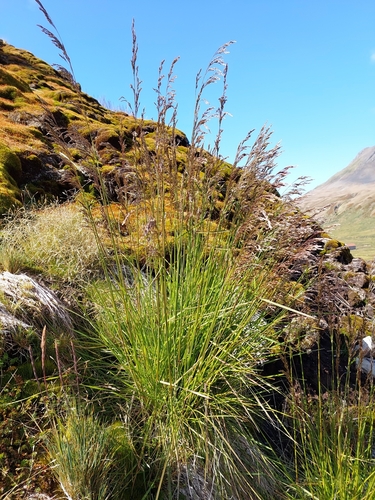
Eragrostis tenellula
(A. Rich.) Hochst. ex Steudel
Kerosene grass, Delicate Lovegrass
iNaturalist· cc-by
(c) Kym Nicolson, some rights reserved (CC BY), uploaded by Kym Nicolson
iNaturalist· cc-by-nc
(c) geoffbyrne, some rights reserved (CC BY-NC)
Description
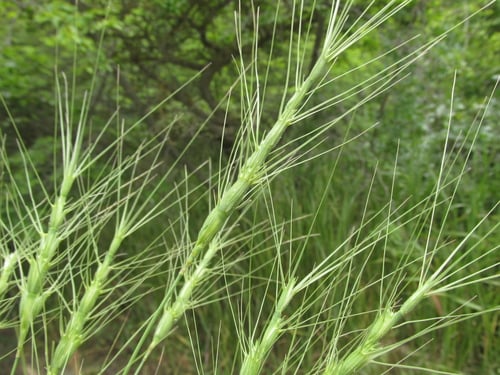
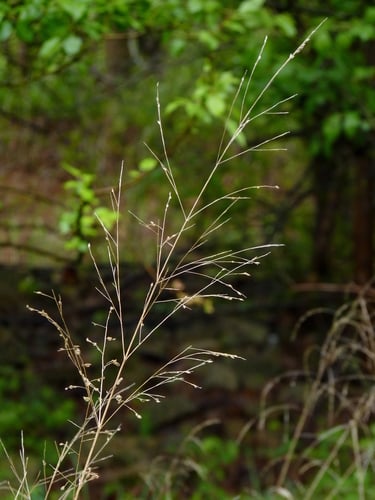
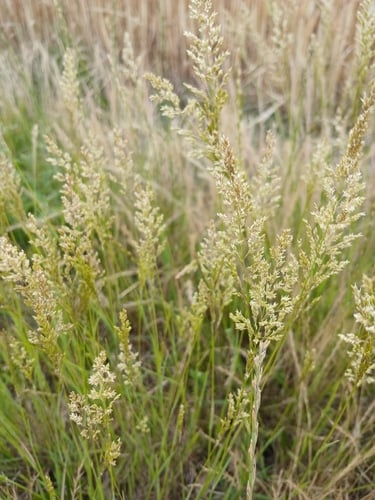
A strong tufted grass. It keeps growing from year to year. It grows 30-80 cm high. The stems are tough. The leaves are long and have a fine point. There are stripes on the sheath and blades. The stems are restricted at the nods. The flowering shoot is a panicle 20-40 cm long. There are many fine branches. The spikelets are very small.
Edible Uses
The seeds or grains are eaten as a cereal.
Traditional Uses
The seeds or grains are eaten.
This uses section is brief — help expand it
Distribution
A tropical plant. It grows on sandy soils. It is usually on heavier soils and on the wetter edges. It grows in tropical and subtropical places.
Where It Grows
Africa, Australia, Central Africa, Chad,
Notes
There are about 300 Eragrostis species.
Synonyms
Also Known As
Am djiangka
References (6)
- Cancilla, D., 2018, Ethnobotanical and Ethnozoological Values Desktop Assessment - Eliwana Project. p 12
- CRÉAC'H,
- Lazarides, M. & Hince, B., 1993, Handbook of Economic Plants of Australia, CSIRO. p 92
- Paczkowska, G. & Chapman, A.R., 2000, The Western Australian Flora. A Descriptive Catalogue. Western Australian Herbarium. p 106
- Petheram, R.J. and Kok, B., 2003, Plants of the Kimberley Region of Western Australia. UWA Press p 139
Show all 6 references Hide references
- Wheeler, J.R.(ed.), 1992, Flora of the Kimberley Region. CALM, Western Australian Herbarium, p 1166