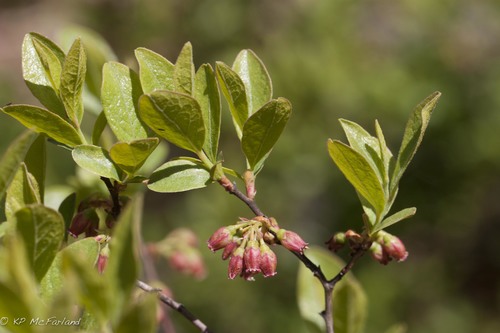
Orthilia secunda
(L.) House
Sidebells wintergreen
iNaturalist· cc-by-nc
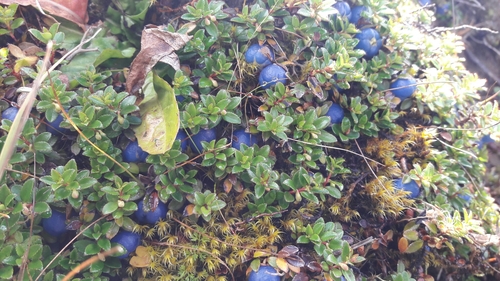
(c) Мария Филатова, some rights reserved (CC BY-NC), uploaded by Мария Филатова
iNaturalist· cc-by-nc
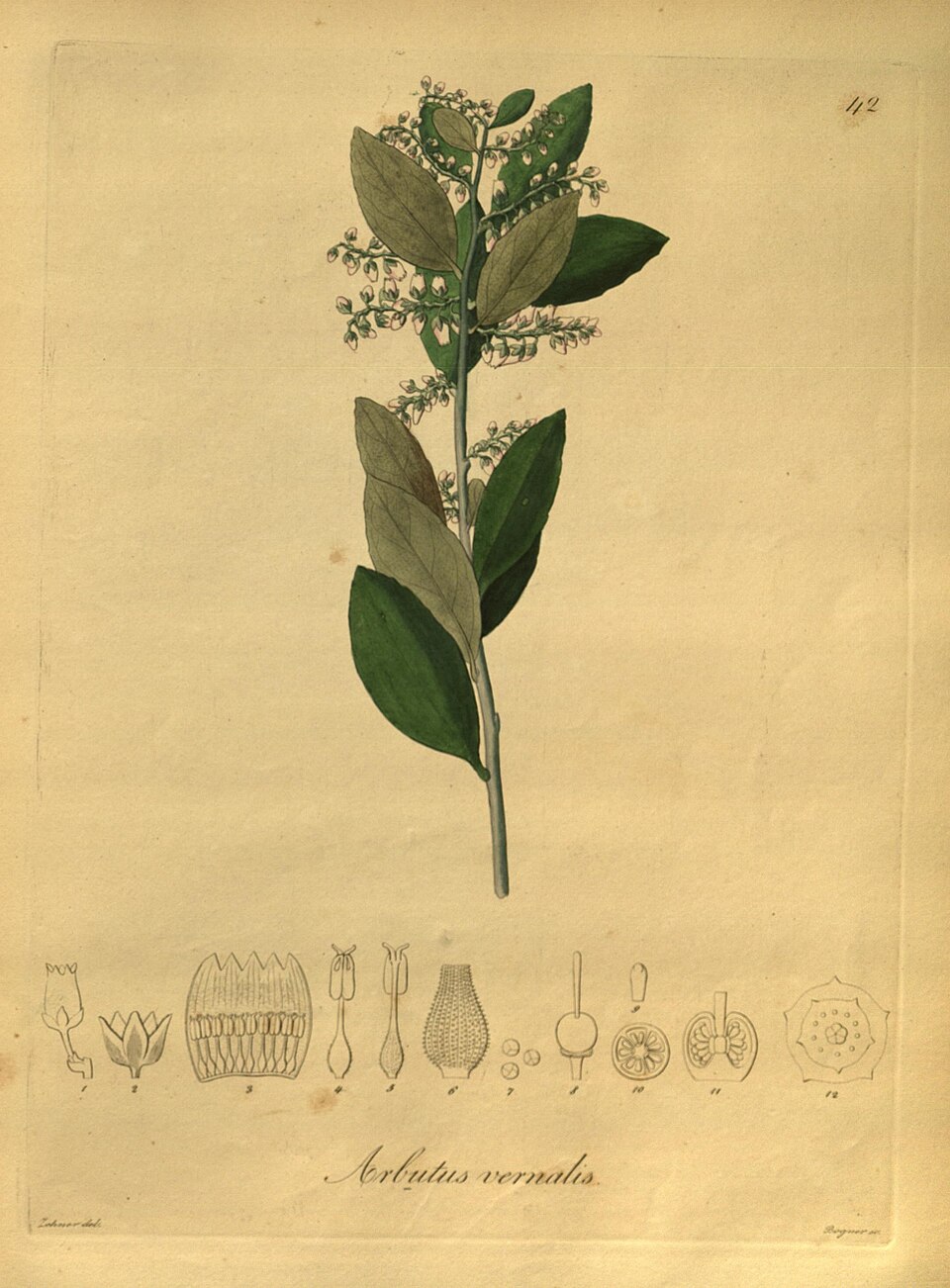
(c) Svetlana Nesterova, some rights reserved (CC BY-NC), uploaded by Svetlana Nesterova
iNaturalist· cc-by-nc
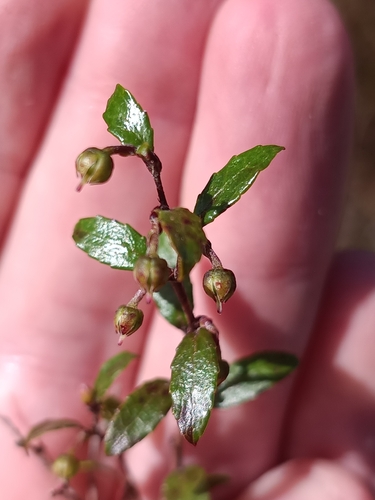
(c) Екатерина Евсеенкова, some rights reserved (CC BY-NC), uploaded by Екатерина Евсеенкова
Summary
Source: WikipediaAn evergreen perennial reaching 0.1 m (4 inches) tall and 0.3 m (1 ft) wide, hardy to UK zone 5. Year-round foliage with hermaphroditic, insect-pollinated flowers blooming July to August. Self-fertile. Grows in light sandy or medium loamy soil at mildly acid to very acid pH. Tolerates full shade, semi-shade, or full sun with moist soil preference.
Description
A herb or small shrub. It keeps growing from year to year. The stems are creeping, slender and branched. The leaves are narrowly oval and 2-3 cm long by 1.5-2 mm wide. There are teeth along the edge. They are pale underneath. The fruit is a capsule about 5 mm wide.
Edible Uses
The leaves are occasionally brewed as a tea. The seed is also noted as edible, though no further preparation details are given.
Medicinal Uses
A strong decoction made from the root has been used as an eye wash.
Distribution
It grows in temperate and subarctic zones. In Pakistan it is found under conifers between 3,100-4,000 m altitude.
Where It Grows
Alaska, Asia, Britain, Canada, China, Europe, Japan, Korea, Luxembourg, Mongolia, North America, North Korea, Pakistan, Russia, Scandinavia, Slovenia, Sweden, USA,
Propagation
Orthilia secunda is difficult to raise from seed and germinates infrequently. Sow seed as soon as it is ripe where possible, into soil collected from around an established plant, barely covering the seed. Place the pot in a shaded part of a cold frame. Prick out seedlings into individual pots once large enough, again using soil from an established plant to ensure the necessary mycorrhizal association. Plant out into permanent positions when large enough — by this stage the soil in the pot should already contain the required mycorrhiza. Division can be done in spring, but must be carried out with great care. Pot up divisions using soil from an established plant, grow on in a lightly shaded greenhouse or frame, and do not plant out until growing vigorously.
Other Uses
None known
Notes
It is also put in the family Pyrolaceae.
Synonyms
Also Known As
Enostranska hruškolistka
References (5)
- Plants for a Future database, The Field, Penpol, Lostwithiel, Cornwall, PL22 0NG, UK. http://www.scs.leeds.ac.uk/pfaf/
- Amer. Midl. Naturalist 7:134. 1921
- Flora of Pakistan. www.eFloras.org
- http://www.botanic-gardens-ljubljana.com/en/plants
- Urgamal, M., Oyuntsetseg, B., Nyambayar, D. & Dulamsuren, Ch. 2014. Conspectus of the vascular plants of Mongolia. (Editors: Sanchir, Ch. & Jamsran, Ts.). Ulaanbaatar, Mongolia. “Admon“ Press. 334pp. (p. 79-90).