Vaccinium littoreum
Miq.
Padang
wikimedia· cc-by
SpartacksCompatriot (via Wikimedia Commons)
wikimedia· cc0
Wikimedia Commons (via Wikimedia Commons)
gbif· cc0
President and Fellows of Harvard College
gbif· cc0
President and Fellows of Harvard College
gbif· cc0
President and Fellows of Harvard College
Description
A large shrub or small tree. It usually grows 1-4 m high. It can be growing attached to other plants. The leaves are narrowly oval and 4-7 cm long by 2-4 cm wide. The flowers are white or red. The fruit is a berry 6-7 mm across.
Edible Uses
The fruit is edible.
Distribution
A tropical plant. It is often in forests near the sea shore but has been found up to 2,400 m altitude.
Where It Grows
Asia, Indonesia, Malaysia, SE Asia,
Cultivation
The plant flowers all year round.
Other Uses
The hard wood is used to make handles.
Dangerous Lookalikes
This plant can be confused with the following toxic species. Always verify identification carefully before consuming any wild plant.
Deadly Nightshade
Atropa belladonna
Joan Simon from Barcelona, España
Padang
Vaccinium littoreum
SpartacksCompatriot (via Wikimedia Commons)
Deadly Nightshade: Tall herbaceous plant (1-2m), single shiny black cherry-sized berries, star-shaped calyx, large oval leaves, sweet but dangerous taste.
Padang: Low woody shrub, berries in clusters with crown/remnant calyx ring, sweet taste.
Synonyms
References (5)
- Burkill, I. H., 1966
- Milow, P., et al, 2013, Malaysian species of plants with edible fruits or seeds and their evaluation. International Journal of Fruit Science. 14:1, 1-2
- PROSEA No. 2
- Sleumer, 1967, Ericaceae, Flora Malesiana, Ser. 1 Vol. 6 (5) p 819
- World Checklist of Useful Plant Species 2020. Royal Botanic Gardens, Kew
More from Ericaceae
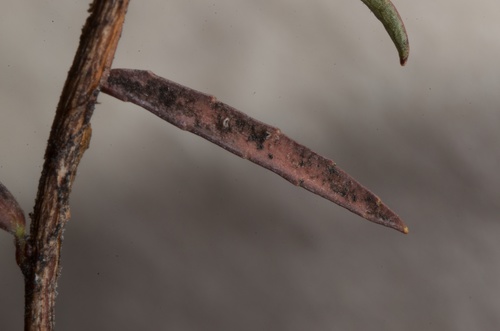
Gaultheria macrostigma
Prostrate snowberry, False snowberry
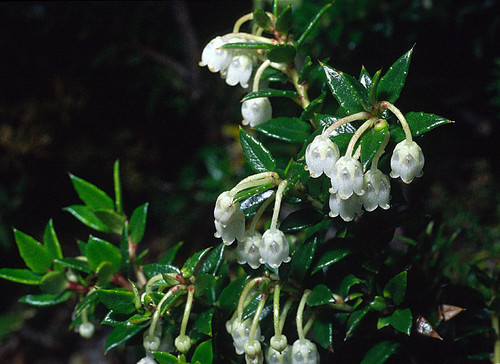
Gaultheria mucronata
Prickly heath
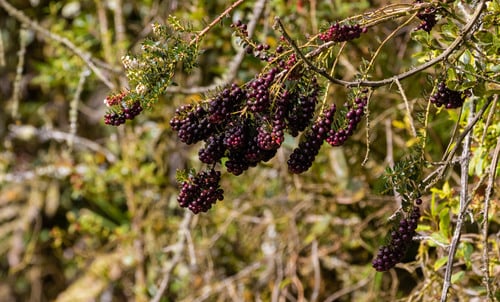
Gaultheria myrsinoides
Manzana
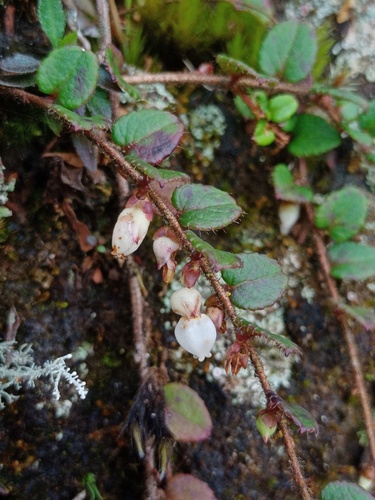
Gaultheria nummularioides
Coinwort snowberry
Gaultheria ovatifolia
Mountain checkerberry, Western Teaberry, Slender false-wintergreen
Gaultheria procumbens
Wintergreen, Checkerberry, Teaberry