Eugenia aherniana
C. B. Rob
Tulanan
gbif· cc0
President and Fellows of Harvard College
gbif· cc0
President and Fellows of Harvard College
gbif· cc0
President and Fellows of Harvard College
Description
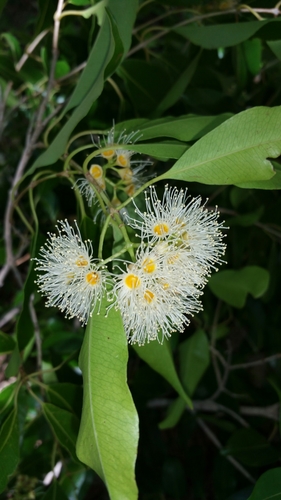
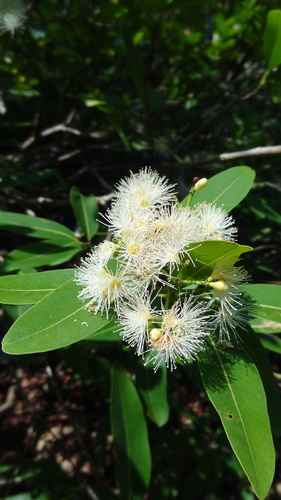
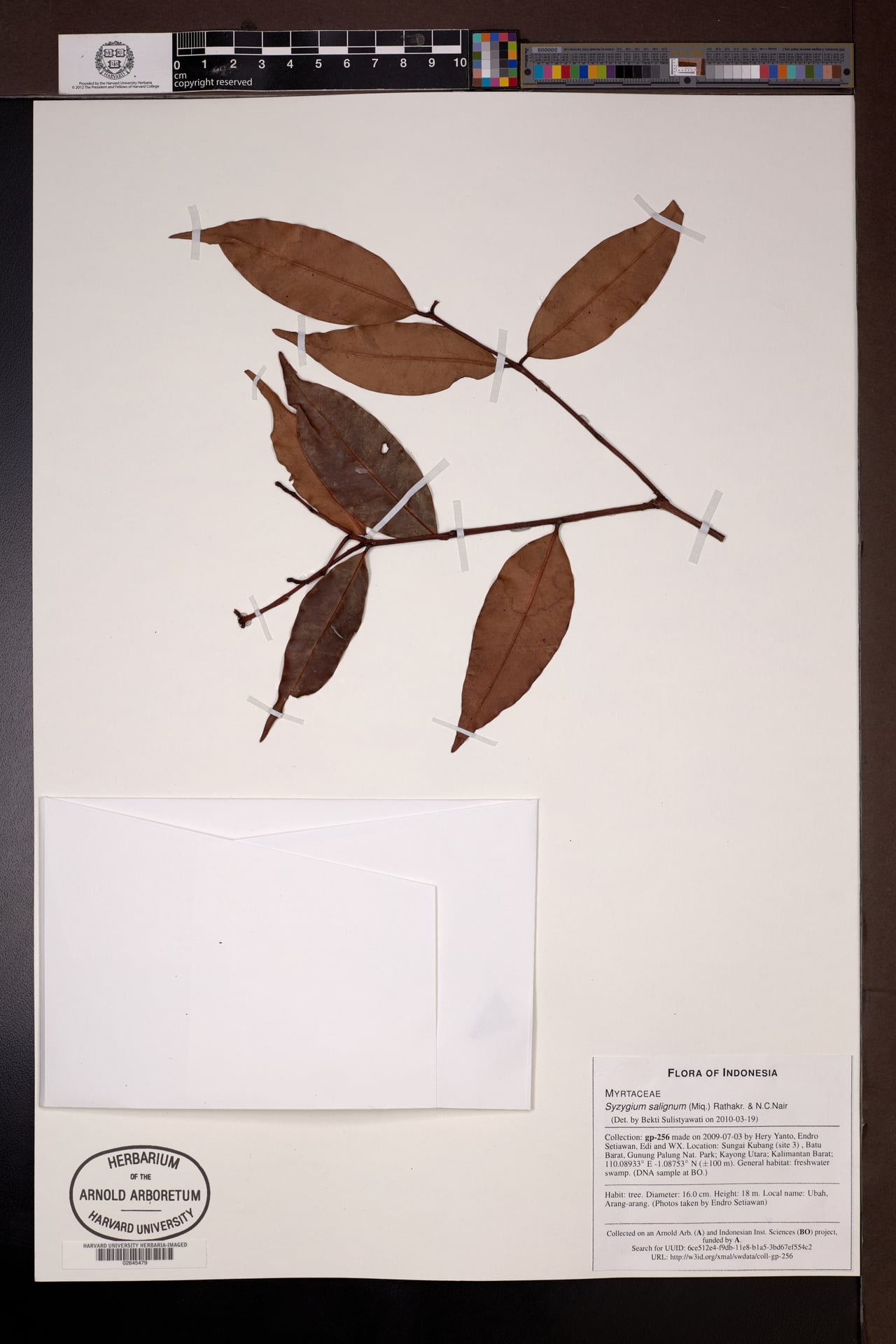
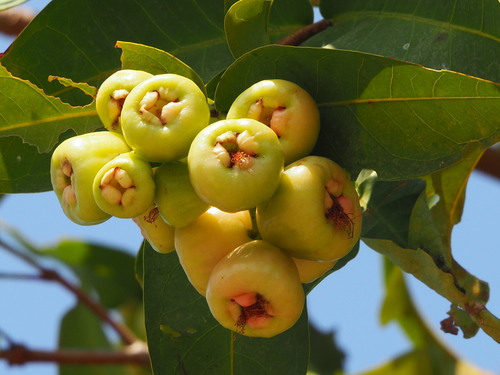
A tree. It grows 20 m tall. The stem is 45 cm across. The leaves are oval and 6-12 cm long. The fruit are in clusters in the axils of leaves. The fruit is a round berry 2.5 cm across. They are yellow.
Edible Uses
The fruit is eaten.
Distribution
A tropical plant. It grows in primary forests at low and medium altitudes.
Where It Grows
Asia, Pacific, Philippines*, SE Asia,
Other Uses
The heartwood is brownish; it is not clearly demarcated from the whiter sapwood. The wood is heavy, hard, without any distinctive odour or taste.
Notes
There are about 550 Eugenia species. They are mostly in tropical and subtropical South America. This one is probably a Syzygium.
Synonyms
Also Known As
Hangos, Kamanla
References (4)
- Brown, W.H., 1920, Wild Food Plants of the Philippines. Bureau of Forestry Bulletin No. 21 Manila. p 132
- NYBG herbarium "edible" (As Eugenia melastomoides)
- PROSEA (Plant Resources of South East Asia) handbook, Volume 2, 1991, Edible fruits and nuts.
- World Checklist of Useful Plant Species 2020. Royal Botanic Gardens, Kew