Eugenia acapulcensis
Steud.
Acapulco eugenia, Blossom berries
iNaturalist· cc-by-nc
(c) Roberto, some rights reserved (CC BY-NC), uploaded by Roberto
iNaturalist· cc-by
(c) Neptalí Ramírez Marcial, some rights reserved (CC BY)
Description
A tropical tree in the myrtle family (Myrtaceae) that grows approximately 5 meters tall, producing fruits sold in local markets.
This description is brief — help expand it
Edible Uses
The fruits are eaten and sold in local markets.
Distribution
It is a tropical plant.
Where It Grows
Belize, Brazil, Central America, Colombia, Costa Rica, El Salvador, Guatemala, Honduras, Mexico, Nicaragua, Panama, South America, Venezuela,
Other Information
Fruit are sold in local markets.
Synonyms
Also Known As
Arrayan, Barazon, Capulin, Chilonche, Guayabillo, Muneco, Viscorona
References (8)
- Cruz, I. M., et al, 2015, Edible fruits and seeds in the State of Mexico. Revista Mexicana de Ciencias Agricolas. Vol. 6. Num. 2 pp 331-346
- Grandtner, M. M. & Chevrette, J., 2013, Dictionary of Trees, Volume 2: South America: Nomenclature, Taxonomy and Ecology. Academic Press p 235
- Kermath, B. M., et al, 2014, Food Plants in the Americas: A survey of the domesticated, cultivated and wild plants used for Human food in North, Central and South America and the Caribbean. On line draft. p 350
- Lopez-Diago, D. & Garcia, N., 2021, Wild edible fruits of Colombia. Biota ColomBiana 22 (2) p 44
- Piedra-Malagón, E. M., et al, 2022, Edible native plants of the Gulf of Mexico Province. Biodiversity Data Journal 10: e80565 p 26
Show all 8 references Hide references
- Roa, J. A. G. & Boada, D. S. G., 2018, Fundación para el Fortalecimiento de la Fruticultura y Plantas Alimenticias no Convencionales en Colombia.
- Segura, S., et al, 2018, The edible fruit species in Mexico. Genet Resour Crop Evol (2018) 65:1767–1793
- World Checklist of Useful Plant Species 2020. Royal Botanic Gardens, Kew
More from Myrtaceae
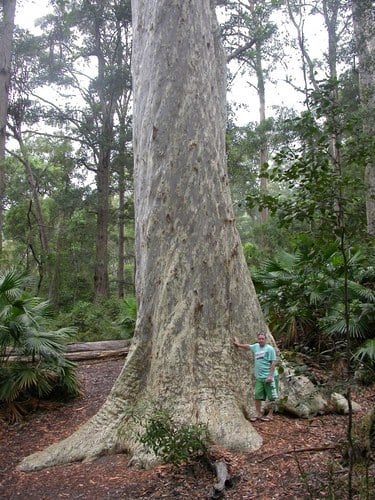
Eucalyptus maculata
Spotted gum
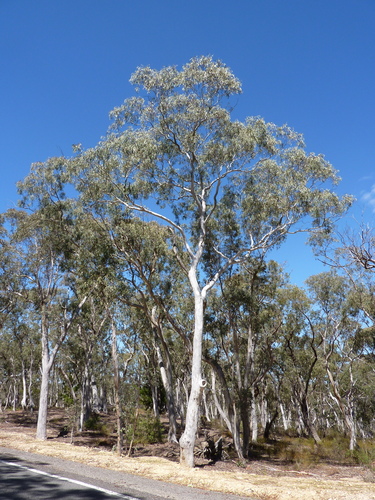
Eucalyptus mannifera
Mannifera, Red-spotted Gum, Brittle Gum, White brittle gum
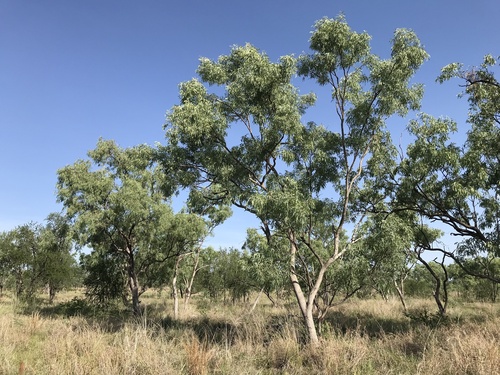
Eucalyptus microtheca
Coolabah, Coolibah, Flooded Box
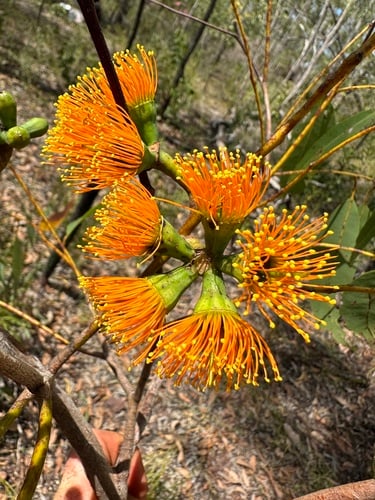
Eucalyptus miniata
Darwin Woolybutt, Manowan, Northern Woollybutt
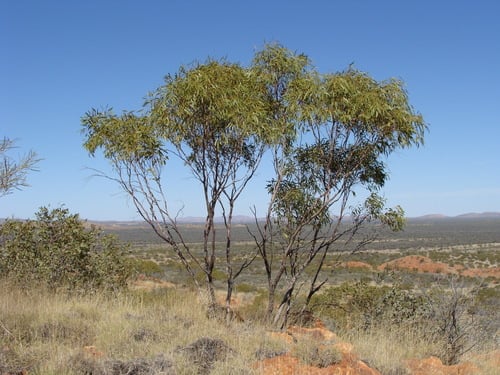
Eucalyptus normantonensis
Normanton Box
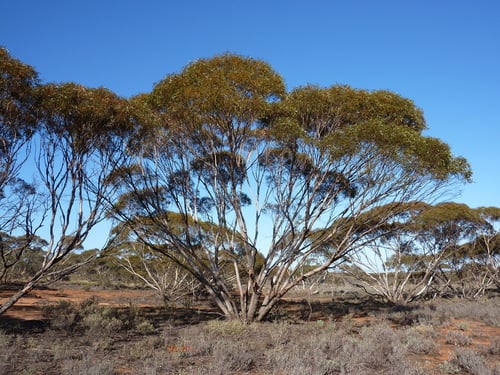
Eucalyptus oleosa
Giant Mallee, Great Mallee, Red Mallee