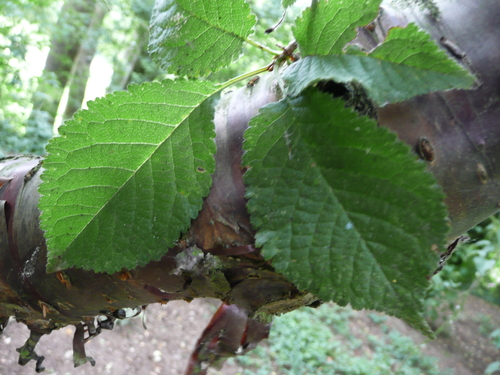
Amelanchier obovalis
(Michx.) Ashe.
Southern juneberry
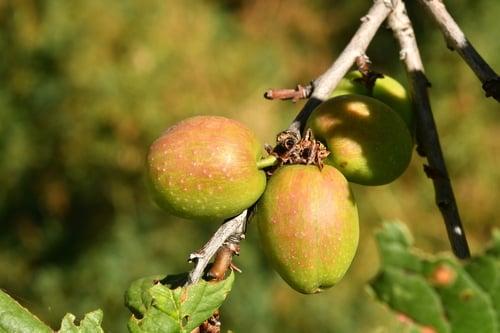
iNaturalist· cc-by-nc
(c) Nathan Shepard, some rights reserved (CC BY-NC), uploaded by Nathan Shepard
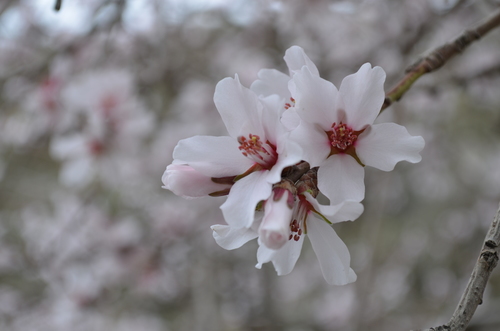
iNaturalist· cc-by-nc
(c) Wes Knapp, some rights reserved (CC BY-NC), uploaded by Wes Knapp
Summary
Source: WikipediaAmelanchier obovalis, the coastal serviceberry, coastal juneberry, or shadbush, is a species of flowering plant in the Rosaceae family. It is native to the Atlantic coastal plain of the United States, from New Jersey to Georgia, typically in pine barrens and other dry woodlands. A deciduous shrub that grows to 3–5 ft (1–2 m) tall, with small five-petaled white flowers. It produces edible dark blue to purple-black fruits and has dull green leaves that can grow up to 2 in (50 mm) long.
Description
A deciduous tree reaching 1.5m tall and 1.5m wide. Hardy to UK zone 6 and not frost tender. Flowers April to May. Hermaphroditic and self-fertile, pollinated by bees. Tolerates light sandy, medium loamy, and heavy clay soils, including mildly alkaline conditions. Grows in semi-shade or full sun, prefers moist soil but tolerates drought.
Edible Uses
The fruit can be eaten raw or cooked and is considered sweet and of very good quality. It works well eaten out of hand or used in pies, preserves, drinks, and similar preparations. The fruit is rich in iron and copper.
Traditional Uses
The fruit are eaten raw or cooked. They are used in pies, jellies, and fruit drinks.
This uses section is brief — help expand it
Medicinal Uses
None known.
Distribution
It is a temperate plant. It grows naturally in pine lands and low woods in South-eastern North America in Georgia and Alabama north to southern New Jersey. It suits hardiness zones 6-8.
Where It Grows
North America, USA,
Propagation
Seed is best harvested green — when fully formed but before the seed coat has hardened — and sown immediately in pots outdoors or in a cold frame. Stored seed obtained early enough in autumn can be given 4 weeks of warm stratification before being left out over winter, and should germinate in spring. Otherwise, germination can be very slow, potentially taking 18 months or more. When large enough to handle, prick seedlings out into individual pots and grow on in a sheltered outdoor position, planting out once they reach 20cm or more. Where seed is plentiful, sow thinly in an outdoor seedbed and grow on for two years before planting into permanent positions during winter. Layering in spring takes 18 months. Suckers can be divided in late winter, but must have been growing for 2 years to have formed roots. They can be planted directly into permanent positions if needed.
Other Uses
None known.
Notes
There are about 25-30 Amelanchier species.
Synonyms
References (5)
- Bot. Gaz. 35:434. 1903
- Facciola, S., 1998, Cornucopia 2: a Source Book of Edible Plants. Kampong Publications, p 193
- Jackes, D. A., Edible Forest Gardens
- Kermath, B. M., et al, 2014, Food Plants in the Americas: A survey of the domesticated, cultivated and wild plants used for Human food in North, Central and South America and the Caribbean. On line draft. p 56
- Plants for a Future database, The Field, Penpol, Lostwithiel, Cornwall, PL22 0NG, UK. http://www.scs.leeds.ac.uk/pfaf/.