Rosa setigera
Michx.
Prairie rose
iNaturalist· cc-by-nc-nd
(c) Dan Mullen, some rights reserved (CC BY-NC-ND)
iNaturalist· cc-by-sa
(c) Douglas Goldman, some rights reserved (CC BY-SA), uploaded by Douglas Goldman
iNaturalist· cc-by
(c) Zihao Wang, some rights reserved (CC BY), uploaded by Zihao Wang
Summary
Source: WikipediaRosa setigera, commonly known as the climbing rose, prairie rose, and climbing wild rose, is a species of shrub or vine in the Rosaceae (rose) family native to central and eastern North America.
Description
Deciduous shrub growing 2.5m tall and wide at fast rate, hardy to UK zone 5. Flowers pollinated by birds and insects, noted for attracting wildlife. Tolerates light sandy, medium loamy, and heavy clay soils with well-drained preference. Grows in neutral to very alkaline soils. Requires full sun and adapts to dry or moist conditions.
Edible Uses
The small, round, red rosehips ripen in fall and are edible, offering a tart, berry-like flavour.
Traditional Uses
The fruit or hip has bristly hairs that need to be removed before eating.
This uses section is brief — help expand it
Medicinal Uses
Rosehips contain high levels of vitamin C, making them useful for supporting the immune system.
Known Hazards
Thorns
Distribution
It is a temperate plant. It suits hardiness zones 4-7.
Where It Grows
North America, Slovenia, USA,
Cultivation
Prefers average, medium to wet, well-drained, fertile soil in full sun to part shade. It dislikes wet conditions with standing water or droughty conditions. Flower: Showy, Fragrant, Good Cut. Bloom Time: June. Bloom Description: Pink fading to whitish. Leaf: Good Fall color. Fruit: Showy. A clumping plant, forming a colony from shoots away from the crown but with a limited spread.
Propagation
Rose seed frequently takes two years to germinate, as it may require a warm period following a cold spell to mature the embryo and break down the seedcoat. One approach to shorten this is to scarify the seed, then place it in damp peat at 27–32°c for 2–3 weeks to allow imbibition, followed by 4 months at 3°c, after which germination should begin. Seed harvested green — fully developed but not yet dried on the plant — and sown immediately may germinate in late winter, though this method had not been fully tested as of 1988. Seed sown fresh into a cold frame sometimes germinates in spring but may take 18 months. Stored seed should be sown as early in the year as possible and stratified for 6 weeks at 5°c; it may still take 2 years to germinate. Prick out seedlings into individual pots when large enough to handle, and plant out in summer if they exceed 25cm, or overwinter in a cold frame and plant out in late spring. Half-ripe cuttings with a heel taken in July in a shaded frame and overwintered before planting out give a high success rate. Pencil-thick cuttings of mature current-season wood, 20–25cm long, taken in early autumn and placed in a sheltered spot outdoors or in a cold frame, typically take 12 months to establish but succeed at a high rate. Suckers can be divided during dormancy and planted directly into permanent positions. Layering also works but takes 12 months.
Other Uses
Well suited to shrub borders, rose gardens, naturalized areas, and native plant gardens, this rose can be used as a climber or left to naturalize into thickets and hedgerows, forming an informal hedge or barrier. It performs best where it has room to ramble. The flowers attract a variety of bees — including honeybees, bumblebees, Anthophorine bees, Miner bees, large Leaf-Cutting bees, and Halictine bees — which collect pollen, as well as Syrphid flies that feed on pollen but are not effective pollinators. Various beetles and moth caterpillars feed on the foliage and flowers. The hips are eaten by small mammals and birds, including the Greater Prairie Chicken, while the stems and foliage are browsed by the Cottontail Rabbit and White-Tailed Deer.
Notes
It is an unresolved name in The Plant List.
Synonyms
Also Known As
Climbing Wild Rose, Prairie rose
References (2)
- Jackes, D. A., 2007, Edible Forest Gardens
- http://www.botanic-gardens-ljubljana.com/en/plants
More from Rosaceae
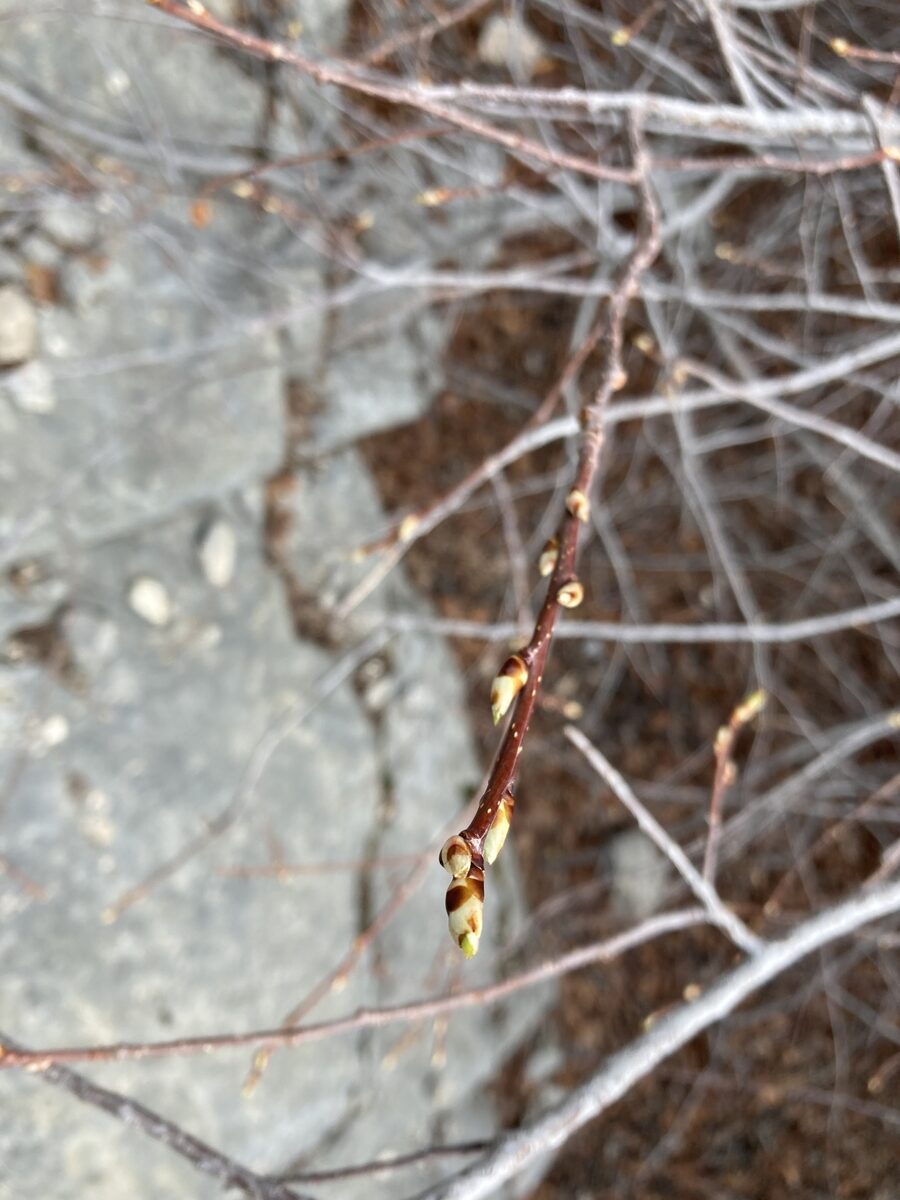
Prunus virginiana demissa - (Torr.&A.Gray.)Torr.
Western Chokecherry
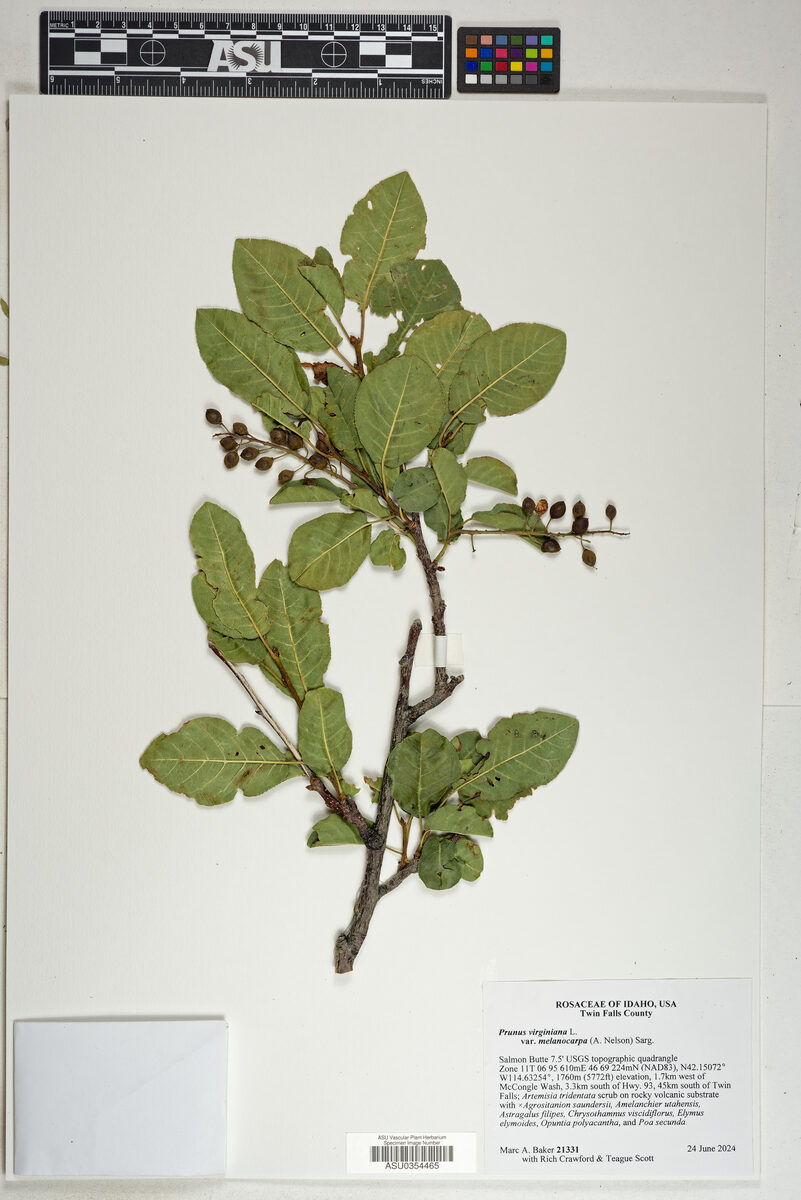
Prunus virginiana melanocarpa - (A.Nels.)Sarg.
Rocky Mountain Chokecherry
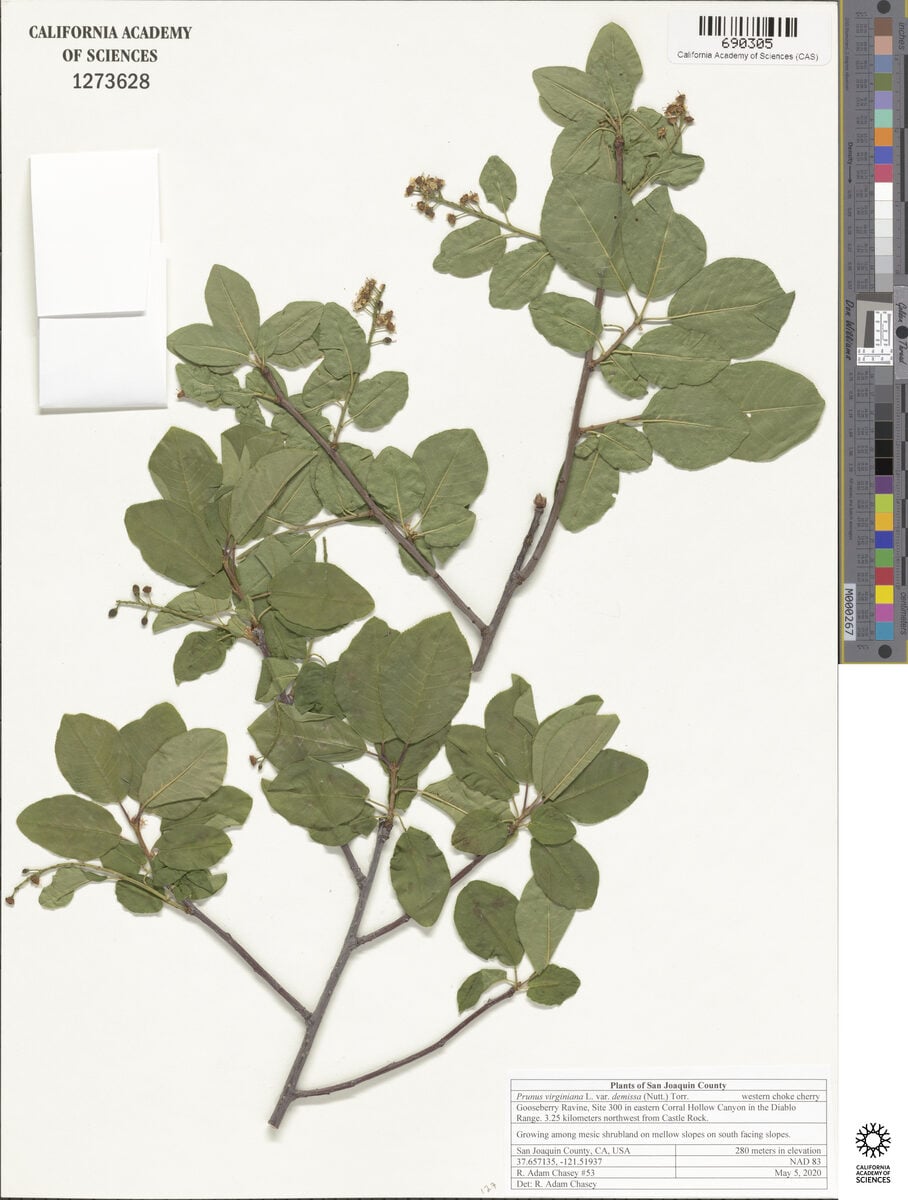
Prunus virginiana subsp. demissa
Western chokeberry
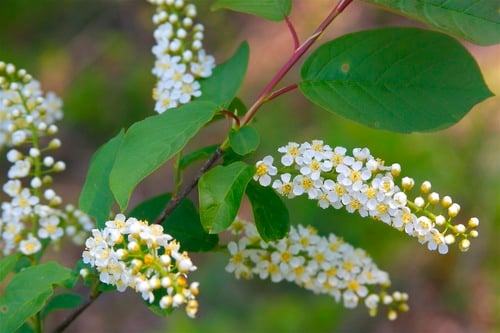
Prunus virginiana var. melanocarpa
Black western chokecherry
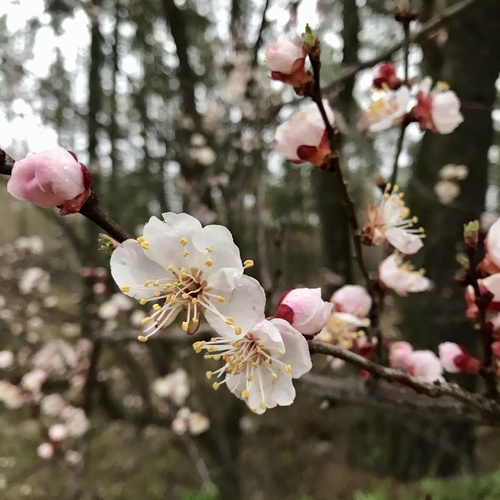
Prunus vulgaris x Prunus besseyi
Cherrycot
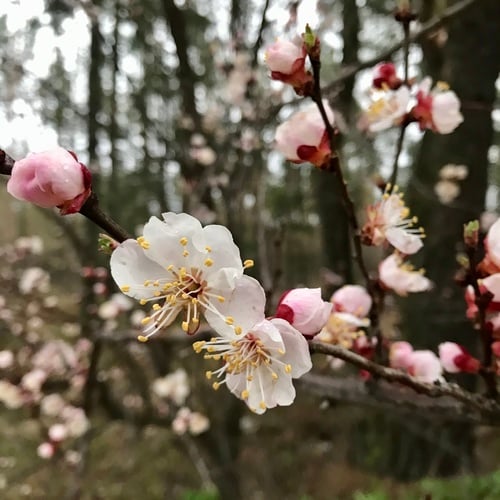
Prunus vulgaris x Prunus persica
Peachcot