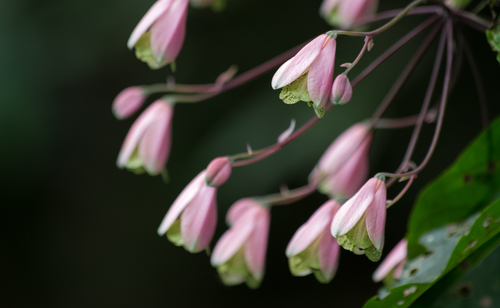
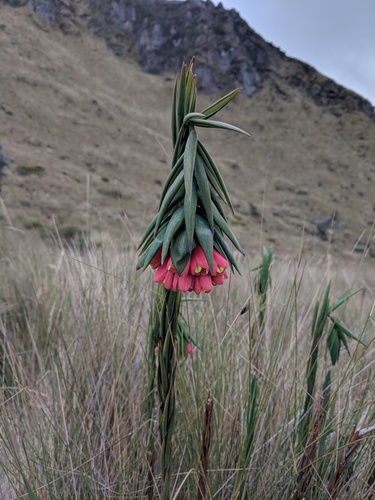
Alstroemeria aurea
Graham
Peruvian lily, Inca lily
iNaturalist· cc-by
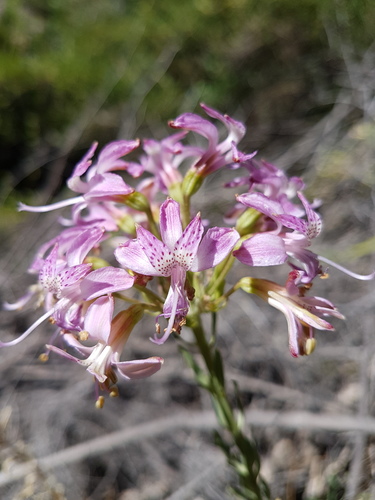
(c) Bárbara Daniela Jara Ríos, some rights reserved (CC BY), uploaded by Bárbara Daniela Jara Ríos
iNaturalist· cc0
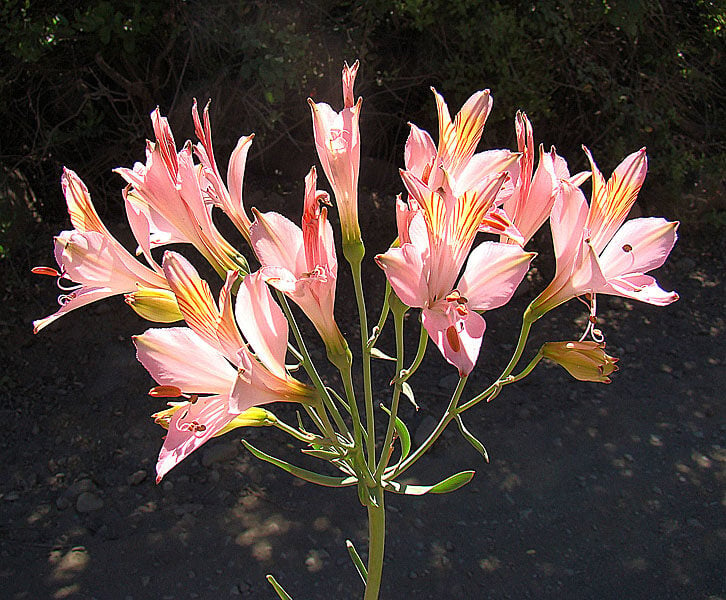
no rights reserved, uploaded by Hugo Hulsberg
iNaturalist· cc-by-nc
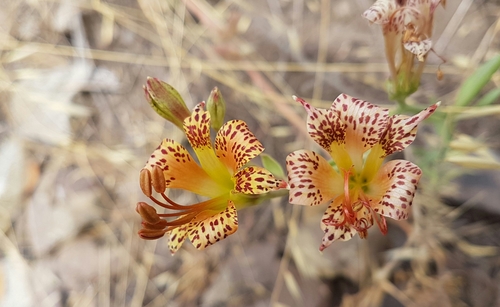
(c) Belén Sandoval, some rights reserved (CC BY-NC), uploaded by Belén Sandoval
Summary
Source: WikipediaAlstroemeria aurea is a species of flowering plant in the family Alstroemeriaceae, native to Chile and Argentina, but naturalised in Australia, New Zealand and the United Kingdom. It is also widely cultivated as an ornamental.
Description
A perennial herb. It has tuberous roots. It grows 1 m high and 1 m across. The leaves are twisted, narrow and lance shaped. Flowers are yellow-orange. They are in groups of 2-4. The fruit is a capsule with several seeds.
Edible Uses
No specific reports exist for this species, but the roots of many plants in this genus are edible and provide a highly nutritious starch. It is likely that this species can be used in the same way.
Traditional Uses
The root is eaten raw or cooked.
This uses section is brief — help expand it
Medicinal Uses
None known.
Known Hazards
Some people are sensitive to this plant and skin contact with the sap can cause them to get dermatitis.
Distribution
It is a temperate plant. It grows naturally in moist woodland in Chile. It requires a moist well drained soil. In Argentina it grows between 200-1,900 m above sea level. It can tolerate frosts especially once well established. It can grow in some shade. It suits hardiness zone 8.
Where It Grows
Argentina, Australia, Bolivia, Chile, Peru, South America, Tasmania,
Cultivation
Requires a fertile, moisture retentive well-drained soil and a warm situation in sun or semi-shade. Another report says that it is easily grown in any soil in sun or part shade. Established plants are drought tolerant. Plants succeed in maritime gardens. Plants have proved very tolerant of neglect on our trial grounds in Cornwall, one clump grew and thrived in rank grass for a number of years until increasing shade from trees began to reduce its vigour. This is the hardiest member of the genus, tolerating temperatures down to between -10 and -15°c, especially if the roots are mulched in the winter. Young plants are best given a protective mulch for their first winter or two. Somewhat intolerant of root disturbance, the roots are fleshy and brittle. The plant can be rather invasive, spreading by means of thin fleshy roots.
Propagation
Seed — best sown in individual pots in a cold frame as soon as ripe, though seedlings can be transplanted successfully if moved carefully while small. Pre-soak stored seed for 12 hours in warm water, warm stratify for 4 weeks at 25°C, then reduce temperature to 10°C. Excising a small piece of the seed near the embryo after warm stratification helps speed germination. Plant out approximately 20cm deep into permanent positions in late summer or autumn. Division in April or October, taking care as the plant resents root disturbance — ensure each portion has a growth bud. This species is prolific enough that large clumps can be dug up in late summer for re-establishment.
Other Uses
None known.
Notes
There are about 50-80 Alstroemeria species. They occur in South America especially in cool mountain regions.
Synonyms
Also Known As
Amancay, Lirio de campo, Liuto amarillo, Rayan cachu
References (11)
- Cordero, S. E., Abello, L. A., & Galvez, F. L., 2017, Plantas silvestres comestibles y medicinales de Chile y otras partes del mundo. CORMA p 139
- Diaz-Betancourt, M., et al, 1999, Weeds as a future source for human consumption. Rev. Biol. Trop. 47(3):329-338
- Edinburgh New Philos. J. 15:181. 1833 Jun
- Heywood, V.H., Brummitt, R.K., Culham, A., and Seberg, O. 2007, Flowering Plant Families of the World. Royal Botanical Gardens, Kew. p 341
- Kermath, B. M., et al, 2014, Food Plants in the Americas: A survey of the domesticated, cultivated and wild plants used for Human food in North, Central and South America and the Caribbean. On line draft. p 48
Show all 11 references Hide references
- Lamberton, K (Ed.), 2004, The Australian gardening encyclodepia. Murdoch Books, NSW Australia. p 161 (As Alstroemeria aurantiaca)
- Leon-Lobos, P., et al, 2022, Patterns of Traditional and Modern Uses of Wild Edible Native Plants of Chile: Challenges and Future Perspectives. Plants (Basel) v 11 (6)
- Plants for a Future database, The Field, Penpol, Lostwithiel, Cornwall, PL22 0NG, UK. http://www.scs.leeds.ac.uk/pfaf/
- Rapoport, E. H., et al, 1995, Edible Weeds: A Scarcely Used Resource. Bulletin of the Ecological Society of America. Vol. 76 No. 3 pp 163-166
- Rapoport, E. H. & Ladio, A. H., 1999, Plantas comestibles. Bosque Volume 20 No. 2. ISSN 0314-8799
- www.chileflora.com