Alstroemeria revoluta
Ruiz. & Pav.
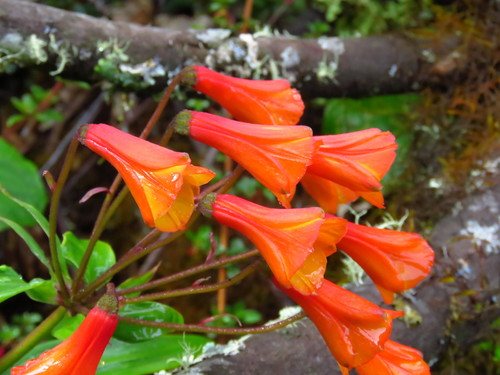
iNaturalist· cc-by
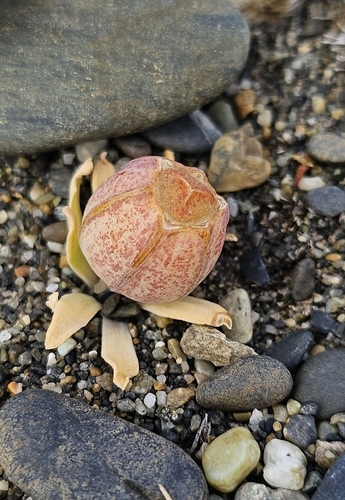
(c) Javier Conejeros Gastó, some rights reserved (CC BY), uploaded by Javier Conejeros Gastó
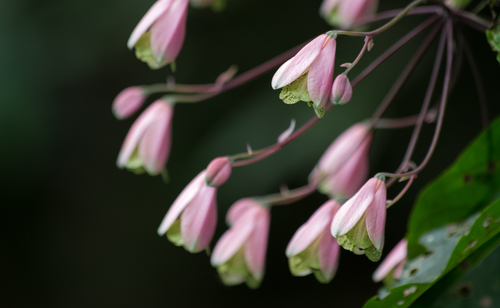
iNaturalist· cc-by-nc
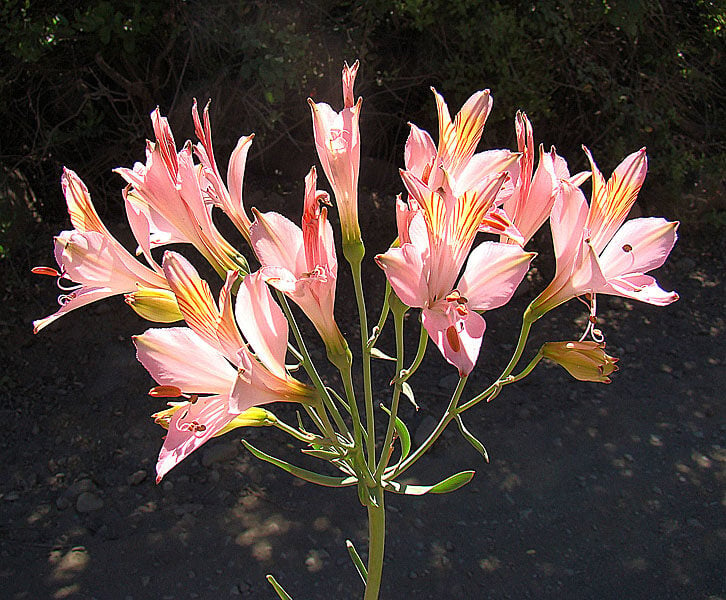
(c) Eitel Carlos Thielemann Pinto, some rights reserved (CC BY-NC)
Summary
Source: WikipediaAlstroemeria revoluta is a species of plant in the family Alstroemeriaceae. It is a perennial herb endemic to Chile, where it is distributed between the Valparaíso and Araucanía regions.
Description
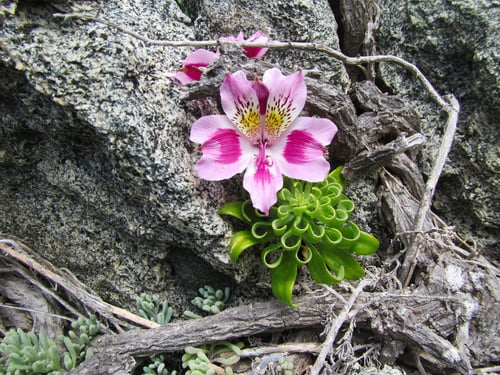
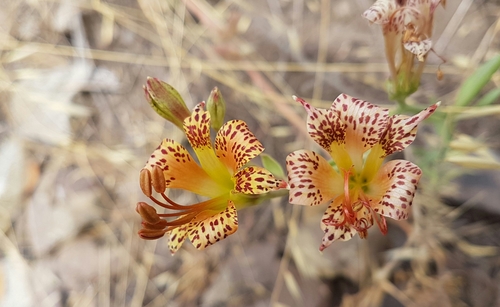
A perennial herb. It grows 30 - 60 cm high. The leaves are narrow. The flowers are purplish.
This description is brief — help expand it
Edible Uses
The cooked root is edible and serves as a good source of starch, making it a nutritious food.
Traditional Uses
The root is cooked and eaten. It is used for flour.
This uses section is brief — help expand it
Medicinal Uses
None known
Known Hazards
Some people are sensitive to this plant and skin contact with the sap can cause them to get dermatitis.
Distribution
It suits tropical and subtropical conditions. It grows naturally in Chile. It requires a moist well drained soil and a warm situation. They can grow in seaside gardens.
Where It Grows
Chile*, South America,
Cultivation
Plant roots 15-20 cm deep when dormant. Plants can be grown from seed. Stored seed need to be treated by soaking in warm water for 12 hours before planting. Plants do not transplant easily.
Propagation
Sow seed in individual pots in a cold frame as soon as it is ripe — seedlings can be transplanted successfully if moved carefully while small. For stored seed, pre-soak for 12 hours in warm water, warm stratify for 4 weeks at 25°C, then reduce the temperature to 10°C. After warm stratification, excising a small piece of the seed coat near the embryo can speed up germination. Plant out approximately 20cm deep into permanent positions in late summer or autumn. Divide in April or October, taking care as the plant resents root disturbance. Make sure each division includes a growth bud.
Other Uses
None known
Notes
There are about 50-80 Alstroemeria species. They occur in South America especially in cool mountain regions.
Also Known As
Lirio del campo, Rayen cachu