Allium nevadense
S.Watson
Nevada Onion
iNaturalist· cc-by-sa
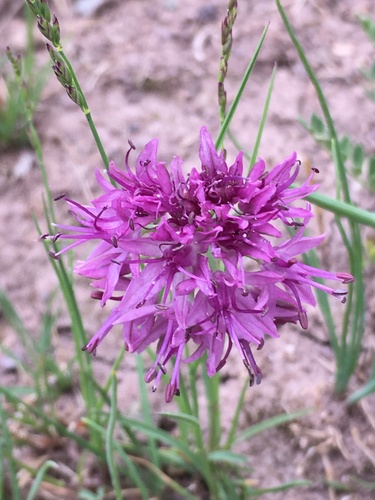
(c) Matt Lavin, some rights reserved (CC BY-SA)
iNaturalist· cc-by-sa
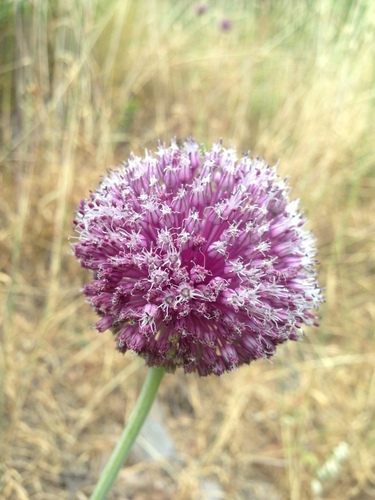
(c) Matt Lavin, some rights reserved (CC BY-SA)
iNaturalist· cc-by-sa
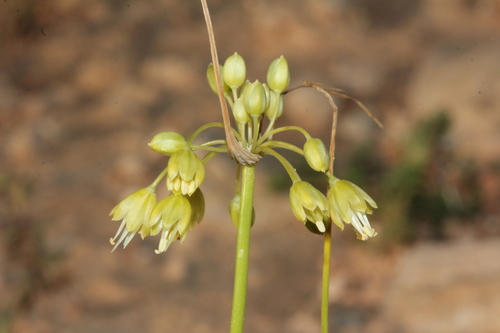
(c) Matt Lavin, some rights reserved (CC BY-SA)
Description
Allium nevadense is a BULB growing to 0.2 m (0ft 8in) by 0.1 m (0ft 4in) at a medium rate. See above for USDA hardiness. It is hardy to UK zone 5 and is not frost tender. The flowers are pollinated by Bees, Insects. It is noted for attracting wildlife. Suitable for: light (sandy) and medium (loamy) soils and prefers well-drained soil. Suitable pH: neutral and basic (mildly alkaline) soils and can grow in very alkaline soils. It cannot grow in the shade. It prefers dry or moist soil.
Edible Uses
A fine, regionally important wild onion: subtle, tough, and excellent for seasoning, deserving protection from overharvest. The bulbs are edible raw or cooked, with a strong onion flavor. Leaves are also edible and can be used as a chive substitute. Flowers may be eaten raw in salads or cooked as a garnish. Bulbs, leaves, and flowers are edible and used like chives or small green onions. The plant is flavorful but small, so it is best as a seasoning and trail nibble rather than a bulk caloric resource. Edibility rating: 4/5 given good flavor, typical Allium safety, and clarity of use. Taste, Processing & Kitchen Notes: All parts have a clear onion/garlic aroma and flavor, often milder than commercial onions but satisfying. Leaves and scapes can be finely chopped into eggs, soups, stews, or breads. Bulbs can be eaten raw, roasted, or sautéed; drying concentrates flavor. Because the plant is small and slow, ethical harvest is important: take only a small fraction of bulbs from any stand. Seasonality (Phenology): Bulbs break dormancy in spring, leaves and flowers appear as soils warm; flowering typically late spring to early summer, with senescence as drought and heat increase. Bulbs remain dormant underground through dry seasons and winter. Safety & Cautions (Food Use): As with all wild onions, proper ID is crucial. Alliums smell distinctly onion/garlic when crushed; deadly lilies and death camas do not and must never be confused. Within confirmed A. nevadense, typical Allium cautions apply: avoid overconsumption by pets (especially dogs) and use moderate amounts in sensitive individuals. Harvest & Processing Workflow: Clip leaves and flower stalks selectively in spring without uprooting bulbs. If bulbs are harvested, choose more abundant populations, take sparingly, and use as you would small green onions—fresh, sautéed, or dried. Look-Alikes & Confusion Risks: Critical to distinguish from death camas (Toxicoscordion/Zigadenus spp.), which share some habitats. Death camas lacks onion smell, has different flower structure, and bulbs smell/taste wrong. Always confirm both morphology and strong onion odor. Traditional/Indigenous Use Summary: Wild onions, including closely related species, were widely used by Indigenous peoples across the West as flavorings, vegetables, and trade items. Allium nevadense fits within that broader cultural pattern as a local wild onion.
Known Hazards
As with all wild onions, proper ID is crucial. Alliums smell distinctly onion/garlic when crushed; deadly lilies and death camas do not and must never be confused. Within confirmed A. nevadense, typical Allium cautions apply: avoid overconsumption by pets (especially dogs) and use moderate amounts in sensitive individuals.
Distribution
Native to parts of the US Great Basin and adjacent regions.
Where It Grows
Arizona, California, Colorado, Idaho, Nevada, Oregon, Utah
Cultivation
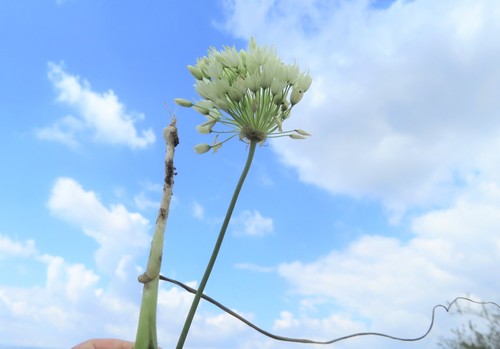
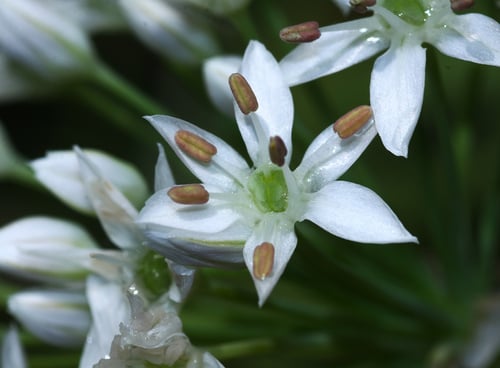
Identification & Habit: A small geophyte arising from a tunicate bulb, producing slender, grass-like leaves and a leafless flowering scape topped by a loose umbel of white to pinkish flowers, often with darker midveins. The flowers have six tepals, six stamens, and the classic onion scent when crushed. Leaves are usually few, basal, and cylindrical to slightly flattened. Plants occur in scattered clumps or colonies on open, well-drained sites. Growing Conditions: Prefers full sun, well-drained sandy or gravelly soils, often calcareous or rocky, with cool moist springs and dry summers. It is well adapted to open pinyon-juniper, sagebrush, and steppe environments. Habitat & Range: Native to parts of the Great Basin and adjacent regions, at low to mid elevations on open slopes, benches, and ridges. Size & Landscape Performance: Compact and ornamental, suitable for rock gardens or native xeric plantings. Slow increase; best in undisturbed locations. Cultivation (Horticulture): Similar to other wild onions: plant bulbs or seed in gritty soil with good drainage, full sun, and minimal summer water once established. Avoid heavy competition. Pests & Problems: Generally trouble-free in dry, open conditions; prone to rot in heavy, waterlogged soils. Cultivar/Selection Notes: No named cultivars; it is a wild species occasionally grown by native plant enthusiasts.
Propagation
By seed sown in fall or early spring (often benefits from cold stratification) and by slow division of bulbs after dormancy.
Other Uses
Compact and ornamental, suitable for rock gardens or native xeric plantings. Ecology & Wildlife: Flowers are attractive to native bees, small wasps, flies, and butterflies, which act as primary pollinators. Rodents and other small mammals occasionally eat bulbs. As an early-season nectar source, it supports pollinator networks.
Synonyms
Also Known As
Allium nevadense (Nevada Onion)