Allium geyeri var. tenerum
M. E. Jones
Bulbil onion
gbif· cc-by-sa
MtBotany
gbif· cc-by-sa
MtBotany
gbif· cc-by-sa
MtBotany
Summary
Source: WikipediaAllium geyeri or Geyer's onion is a North American species of onion widespread in the western United States and in western Canada. It is found in the Rocky Mountain States from New Mexico to Idaho, Great Basin, the Pacific Northwest, Texas, South Dakota, Arizona, Manitoba, British Columbia, Alberta and Saskatchewan.
Description
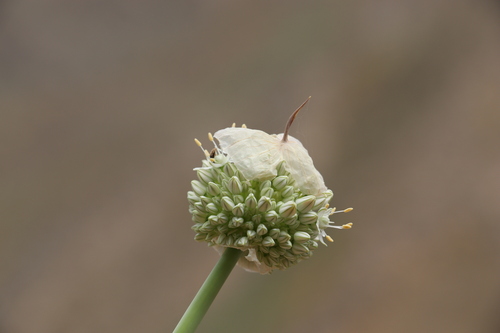
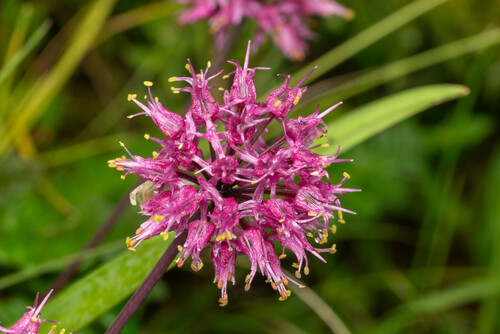
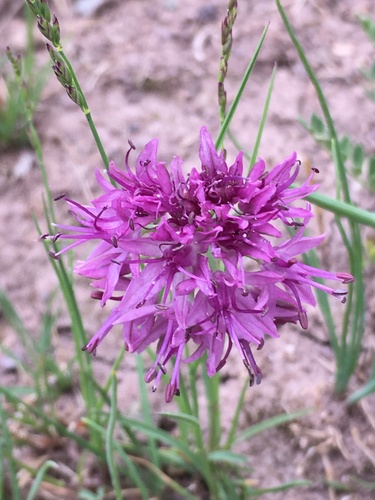
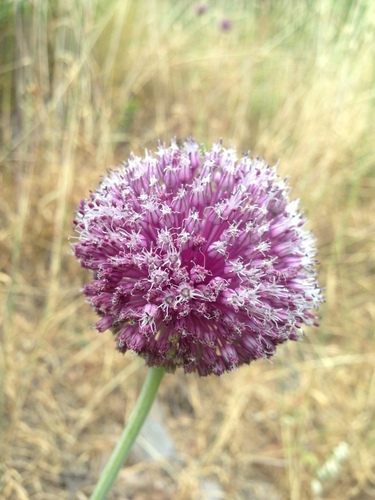
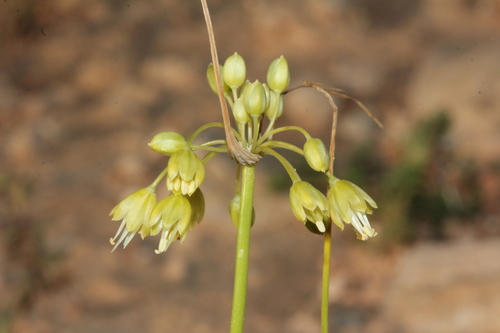
An onion family plant. It grows 25 cm tall. It produces bulbils. The bulbs are 25 mm long by 20 mm wide.
This description is brief — help expand it
Edible Uses
The bulb is used cooked or raw and seasonally in soups. The leaves are eaten raw or cooked. The flowers are also edible.
Traditional Uses
The bulb is used cooked or raw and a seasonally in soups. The leaves are used raw or cooked.
This uses section is brief — help expand it
Distribution
It is a temperate plant. It grows from sea level to 3,100 m above sea level. It suits USDA hardiness zones 6-9.
Where It Grows
Canada, North America, USA,
Notes
There are about 300-700 Allium species. Most species of Allium are edible (Flora of China). All alliums are edible but they may not all be worth eating! They have also been put in the family Alliaceae.
Synonyms
References (1)
- Beckstrom-Sternberg, Stephen M., and James A. Duke. "The Foodplant Database." http://probe.nalusda.gov:8300/cgi-bin/browse/foodplantdb.(ACEDB version 4.0 - data version July 1994) (As Allium sabulicola)