Allium moly
L.
Golden garlic, Lily leek
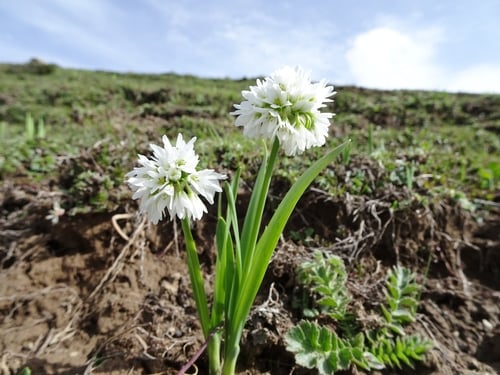
iNaturalist· cc-by-nc
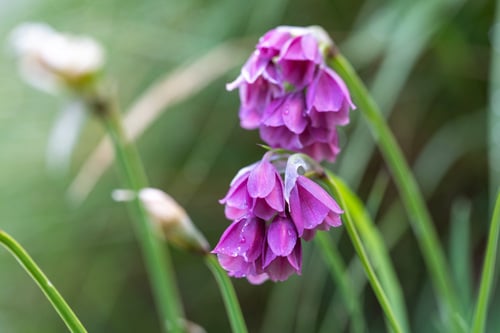
(c) Roger Vila, some rights reserved (CC BY-NC), uploaded by Roger Vila
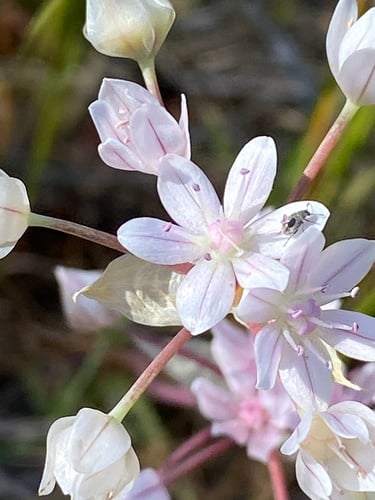
iNaturalist· cc-by-nc
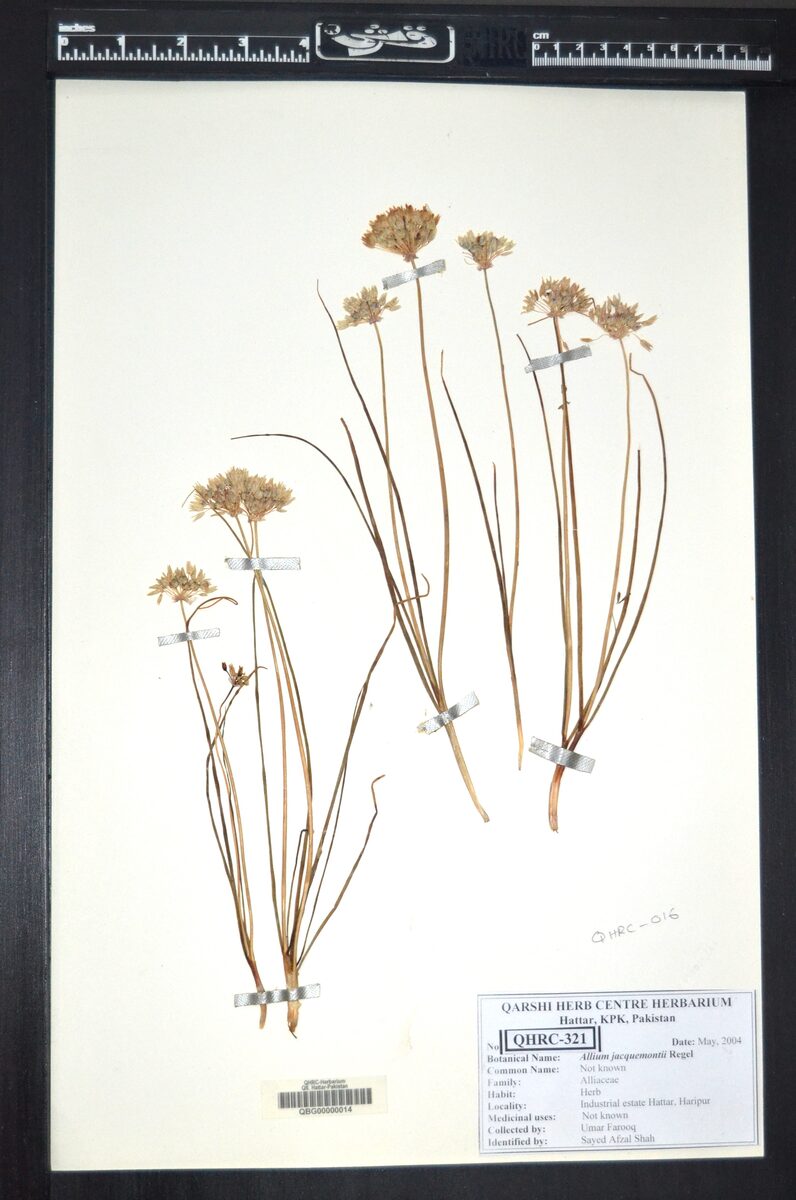
(c) Jorge Calvo Yuste, some rights reserved (CC BY-NC), uploaded by Jorge Calvo Yuste
Summary
Source: WikipediaAllium moly, also known as yellow garlic, golden garlic and lily leek, Is a species of flowering plant in the genus Allium, which also includes the flowering and culinary onions and garlic. A bulbous herbaceous perennial from the Mediterranean. It is edible and used as a medicinal and ornamental plant. Allium moly is a bulb type flower, with the size of the bulb affecting the flowering period and the time of the flowering.
Description
An onion family plant. A bulb plant. It grows 30-45 cm high and spreads 25 cm across. The bulbs are about 25 mm across. The leaves are flat and blue-green. The flowers are in slightly rounded clusters. They are star shaped and golden yellow. The flower stems are about 20-30 cm long.
Edible Uses
The bulbs, roughly 25mm in diameter, can be eaten raw or cooked. Sliced, they add a pleasant mild garlic flavour to salads and work well as a flavouring in cooked dishes. The leaves are also edible raw or cooked. The yellow flowers make an attractive garnish on salads and carry a pleasant onion flavour.
Traditional Uses
The bulbs are eaten raw or cooked. The leaves are eaten raw or cooked. The flowers are used raw to flavour salads.
This uses section is brief — help expand it
Medicinal Uses
No specific medicinal uses have been recorded for this species, but members of this genus are generally considered healthy dietary additions. They contain sulphur compounds — responsible for their onion flavour — which, when eaten regularly, can help reduce blood cholesterol levels, support digestive health, and tonify the circulatory system.
Known Hazards
Although no individual reports regarding this species have been seen, there have been cases of poisoning caused by the consumption, in large quantities and by some mammals, of certain members of this genus. Dogs seem to be particularly susceptible.
Distribution
It grows naturally on shady rocks and scree slopes in mountains in Mediterranean regions. It prefers a sunny position and a light well drained soil. Once established it can tolerate some drought. The dormant bulbs are fairly hardy to cold temperatures. It suits hardiness zones 7-9.
Where It Grows
Africa, Australia, Europe*, France, Mediterranean, North Africa, Spain, Tasmania,
Cultivation
An easily grown plant, preferring a sunny position in a light well-drained soil. Established plants are fairly drought tolerant. The bulbs should be planted fairly deeply. The dormant bulbs are fairly hardy and will withstand soil temperatures down to at least -10°c. There are some named forms selected for their ornamental value. The flowers are softly scented. Some forms of this species, especially A. moly bulbiferum, produce bulbils in the flowering head and can be invasive. The species type is sometimes considered to be invasive, though it has not proved so with most people. It is useful for naturalising between shrubs and grows well at the base of a beech hedge in a wet garden. Grows well with most plants, especially roses, carrots, beet and chamomile, but it inhibits the growth of legumes. It is a bad companion for alfalfa, each species negatively affecting the other. Members of this genus are rarely if ever troubled by browsing deer.
Propagation
Sow seed in spring in a cold frame. Prick out seedlings into individual pots once large enough to handle — placing three plants per pot will produce clumps more quickly. Grow on in a greenhouse through at least the first winter, then plant out in spring once growing vigorously. Division in spring is very easy; plants can be divided successfully at any point during the growing season and transplanted directly into permanent positions. Where bulbils are produced, pot them up as soon as they are ripe and plant out in late spring.
Other Uses
The plant juice can be used as a moth repellent, and the whole plant is said to repel both insects and moles.
Notes
There are about 300-700 Allium species. Most species of Allium are edible (Flora of China). All alliums are edible but they may not all be worth eating! They have also been put in the family Alliaceae.
Synonyms
Also Known As
Moly, Yellow onion
References (10)
- Bircher, A. G. & Bircher, W. H., 2000, Encyclopedia of Fruit Trees and Edible Flowering Plants in Egypt and the Subtropics. AUC Press. p 19
- Bodkin, F., 1991, Encyclopedia Botanica. Cornstalk publishing, p 63
- Burnie, G.(Ed.), 2003, Annuals and Bulbs. The Gardener's Handbooks. Fog City Press. p 242
- Cundall, P., (ed.), 2004, Gardening Australia: flora: the gardener's bible. ABC Books. p 127
- Lim, T. K., 2015, Edible Medicinal and Non Medicinal Plants. Volume 9, Modified Stems, Roots, Bulbs. Springer p 3
Show all 10 references Hide references
- Morley, B. & Everard, B., 1970, Wild Flowers of the World. Ebury press. Plate 24
- Plants for a Future database, The Field, Penpol, Lostwithiel, Cornwall, PL22 0NG, UK. http://www.scs.leeds.ac.uk/pfaf/
- Seidemann J., 2005, World Spice Plants. Economic Usage, Botany, Taxonomy. Springer. p 21
- Sp. pl. 1:301. 1753
- Tardio, J., et al, 2006, Ethnobotanical review of wild edible plants in Spain. Botanical J. Linnean Soc. 152, 27-71