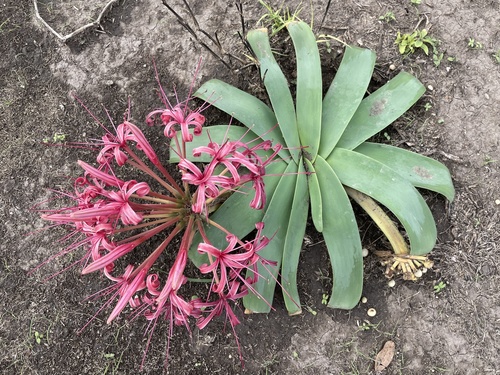
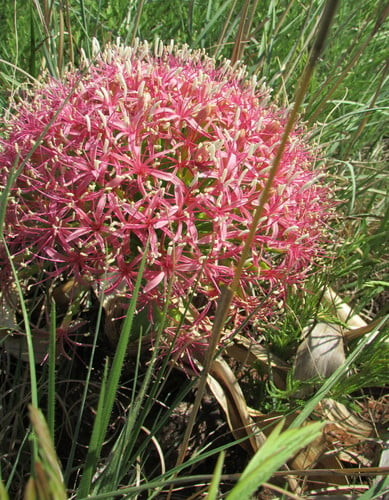
Allium ampeloprasum var. kurrat
Schweinf. ex K. Krause
Kurrat, Salad Leek, Egyptian leek
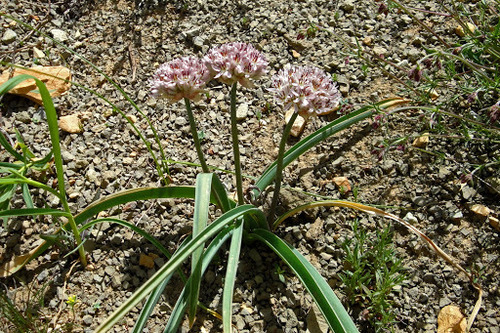
iNaturalist· cc-by-nc
(c) Сергей, some rights reserved (CC BY-NC), uploaded by Сергей
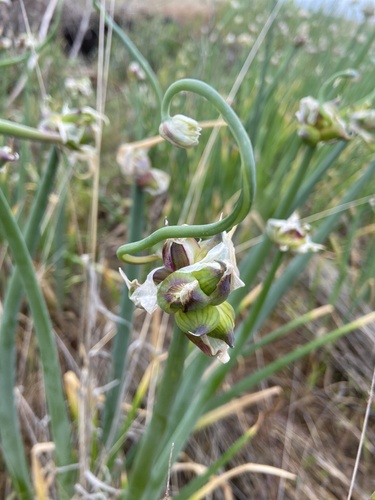
iNaturalist· cc-by-nc
(c) Eddi Bisulli, some rights reserved (CC BY-NC), uploaded by Eddi Bisulli
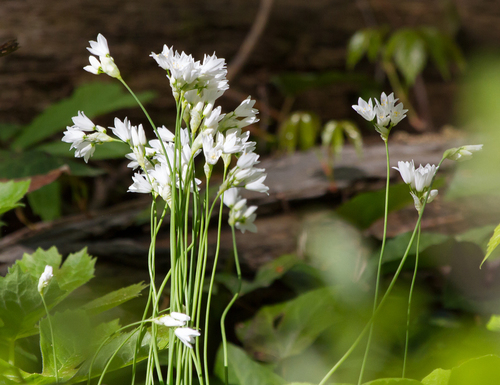
iNaturalist· cc-by-sa
(c) Emanuele Santarelli, some rights reserved (CC BY-SA), uploaded by Emanuele Santarelli
Summary
Source: WikipediaAllium ampeloprasum is a member of the onion genus Allium. The wild plant is commonly known as wild leek or broadleaf wild leek. Its native range includes southern Europe, southwestern Asia and North Africa, but it has been cultivated and naturalized in many other countries. Allium ampeloprasum has been differentiated into five cultivated vegetables: leek, elephant garlic, pearl onion, kurrat, and Persian leek.
Description
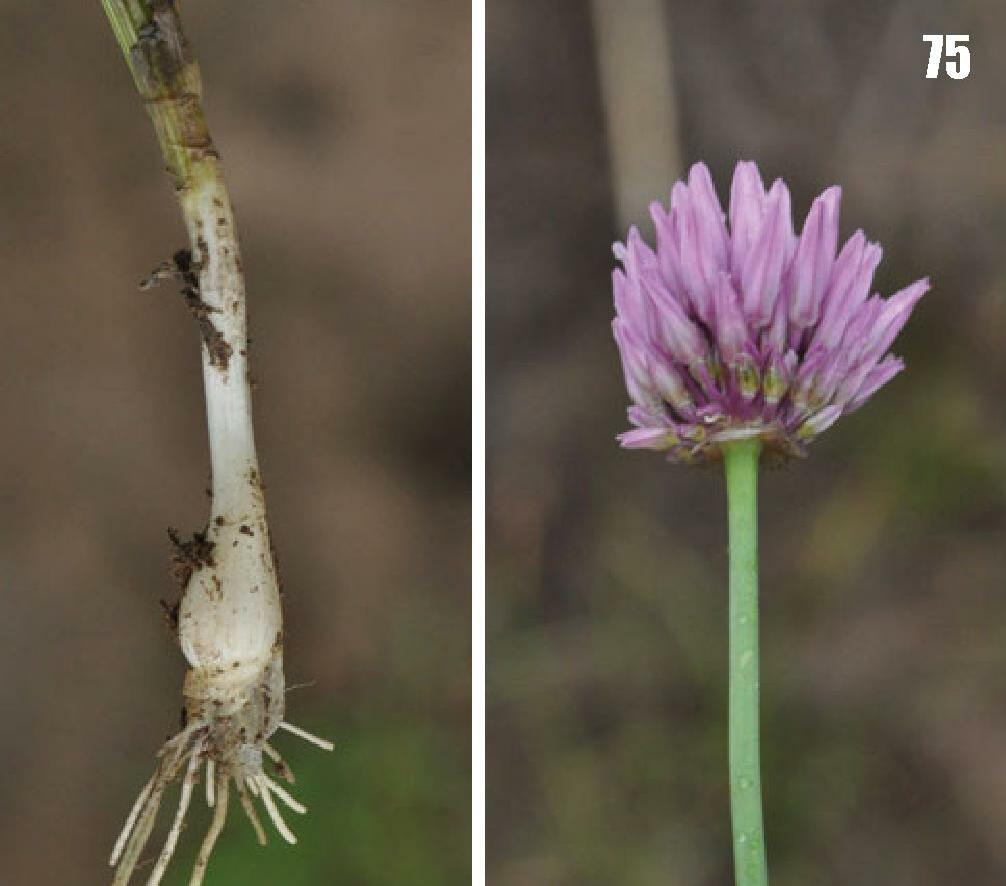
An onion family plant. It is a perennial bulb plant. It grows to 1 m high. They are like leeks. They have almost no bulbs. The leaves are smaller and more narrow than leeks.
Edible Uses
The bulbs and leaves are eaten raw or cooked. The flowers are used raw to flavor salads.
Traditional Uses
The bulbs are eaten raw or cooked. The leaves are eaten raw or cooked. The flowers are used raw to flavour salads.
This uses section is brief — help expand it
Distribution
It is a Mediterranean plant.
Where It Grows
Africa, Egypt, Israel, Mediterranean, Middle East, North Africa, Saudi Arabia, Yemen,
Cultivation
Plants can be grown from seed or by dividing the clumps.
Other Information
This plant has been grown in Egypt for at least 2,500 years. It is a commercially cultivated vegetable.
Notes
There are about 300-700 Allium species. Most species of Allium are edible (Flora of China). All alliums are edible but they may not all be worth eating! They have also been put in the family Alliaceae.
Synonyms
References (17)
- Abdulla, G. et al, 2013, Egyptian Leek (Allium ampeloprasum var. kurrat) Extract as A Natural Antioxidant: Application on Beef Burger. Alex. J. Fd. Sci. & Technol. Vol. 10, No. 1, pp. 1-10, 2013
- Craker, L. E. & J. E. Simon, eds. 1986–1987. Herbs, spices, and medicinal plants, 2 vols. (HerbSpices) (As Allium kurrat)
- Facciola, S., 1998, Cornucopia 2: a Source Book of Edible Plants. Kampong Publications, p 4
- Food Composition Tables for the Near East. http://www/fao.org/docrep No. 353 (As Allium kurrat)
- Hepper, E.N., 1993, Illustrated Encyclopedia of Bible Plants, IVP, England. p 127
Show all 17 references Hide references
- Jardin, C., 1970, List of Foods Used In Africa, FAO Nutrition Information Document Series No 2.p 52
- Kays, S. J., and Dias, J. C. S., 1995, Common Names of Commercially Cultivated Vegetables of the World in 15 languages. Economic Botany, Vol. 49, No. 2, pp. 115-152
- Martin, F.W. & Ruberte, R.M., 1979, Edible Leaves of the Tropics. Antillian College Press, Mayaguez, Puerto Rico. p 201
- Mathew, B. 1996. A review of Allium sect. Allium. (Rev sect Allium) 70. (As Allium kurrat)
- McCollum, G.D., 1979, Onions and allies, in Simmonds N.W.,(ed), Crop Plant Evolution. Longmans. London. p 186
- Plants for a Future database, The Field, Penpol, Lostwithiel, Cornwall, PL22 0NG, UK. http://www.scs.leeds.ac.uk/pfaf/
- Seidemann J., 2005, World Spice Plants. Economic Usage, Botany, Taxonomy. Springer. p 20 (As Allium kurrat)
- USDA, ARS, National Genetic Resources Program. Germplasm Resources Information Network - (GRIN). [Online Database] National Germplasm Resources Laboratory, Beltsville, Maryland. Available: www.ars-grin.gov/cgi-bin/npgs/html/econ.pl (10 April 2000)
- van Wyk, B., 2005, Food Plants of the World. An illustrated guide. Timber press. p 47
- Wiersema, J. H. & Leon, B., 2013, World Economic Plants. A Standard Reference CRC Press. 2nd Ed. p 34 (As Allium kurrat)
- Woodward, P., 1996, Garlic and Friends. The History, Growth and Use of Edible Alliums. Hyland House. p 191
- Zeven, A. C. & de West, J. M. J., 1982, Dictionary of cultivated plants and their regions of diversity. Wageningen. p 87 (As Allium kurrat)